The debate over economic warfare often splits into two camps: those who see it as a necessary evil for long-term gains, and those who condemn it as inherently immoral. The reality, however, is far more complex. Short-term pain can be justified if it leads to freeing civilians from a repressive regime, but when no strategic objectives are achieved, the only result is increased suffering for the very people the policy claims to help.
As the Trump administration prepares to reimpose a blockade on Iran—dubbed "Operation Economic Fury 2.0" by critics—the question that remains unanswered is why anyone expects this to succeed now. The first blockade, imposed in mid-April, was accompanied by bold predictions: Iran would run out of oil storage in 13 days, its wells would be forced to shut, and the regime would capitulate. None of that happened.
To be clear, economic pain can theoretically produce regime change or public unrest. But there is a vast difference between possible and likely. The burden of proof is now higher than ever for proponents of a renewed blockade. They must explain what has changed in the strategic landscape since the memorandum of understanding was signed and the dueling blockades were lifted.
Iran Is Stronger, the U.S. Weaker
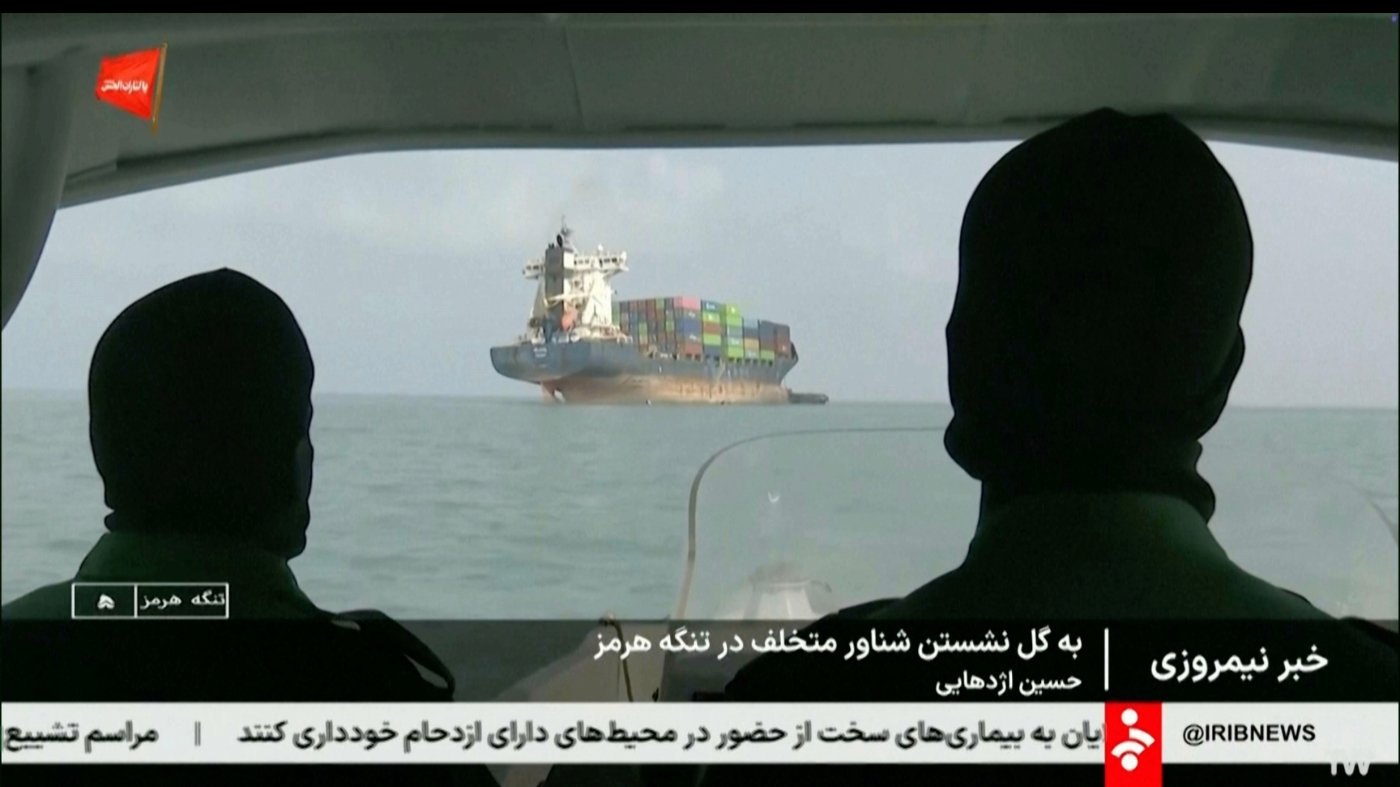
President Trump himself acknowledged weeks ago that time is not on Washington’s side. Since then, Iran has only strengthened its position. After the U.S. blockade was lifted, Tehran exported over 80 million barrels of trapped oil, replenished essential goods like wheat and medical supplies, and proved it can withstand maximum pressure. The global economy has also failed to move normal traffic through the Strait of Hormuz, as Trump reinstated the blockade and imposed a 20% shipping levy.
The Iran the U.S. faces today is not the same adversary it faced in March. It is battle-hardened, having survived a campaign that was supposed to cripple it. Yet survival does not mean victory for Tehran: inflation is at 88% year-over-year, the rial is in freefall, and unemployment is skyrocketing. But economic hardship has never been enough to topple the regime. If such severe pain has failed to produce regime collapse or major concessions, there is no reason to believe more of the same will suddenly change the outcome.
A Humanitarian Crisis in the Making
The fundamental problem with reimposing the blockade is that the likelihood of achieving Washington’s strategic objectives is lower now than in April, while the risk of a humanitarian crisis is higher. Many proponents of the Iran War argued it was necessary to free the Iranian people from oppression—to improve their lives, not make them worse. When the first blockade was launched, there was at least a credible belief it could produce a positive outcome. But we have seen this movie before, and nothing suggests this sequel ends differently.
The supporters of a renewed pressure campaign need to prove a high enough probability of success to justify causing an even deeper humanitarian crisis against an Iran that is better positioned than ever to withstand it. As critics have noted, there is no clear strategy in sight. The new blockade would not erase the failure of the first campaign; it would repeat it under even less favorable conditions, at an even greater humanitarian cost, directly harming the people Washington claims to want to help.
Brett Erickson, managing principal at Obsidian Risk Advisors and an advisory board member at Seton Hall and DePaul, underscores the point: a pipe dream is not a valid strategy when the downside risk is a severe humanitarian crisis. The burden of proof lies with those who advocate for renewed economic warfare—and so far, they have failed to make their case.