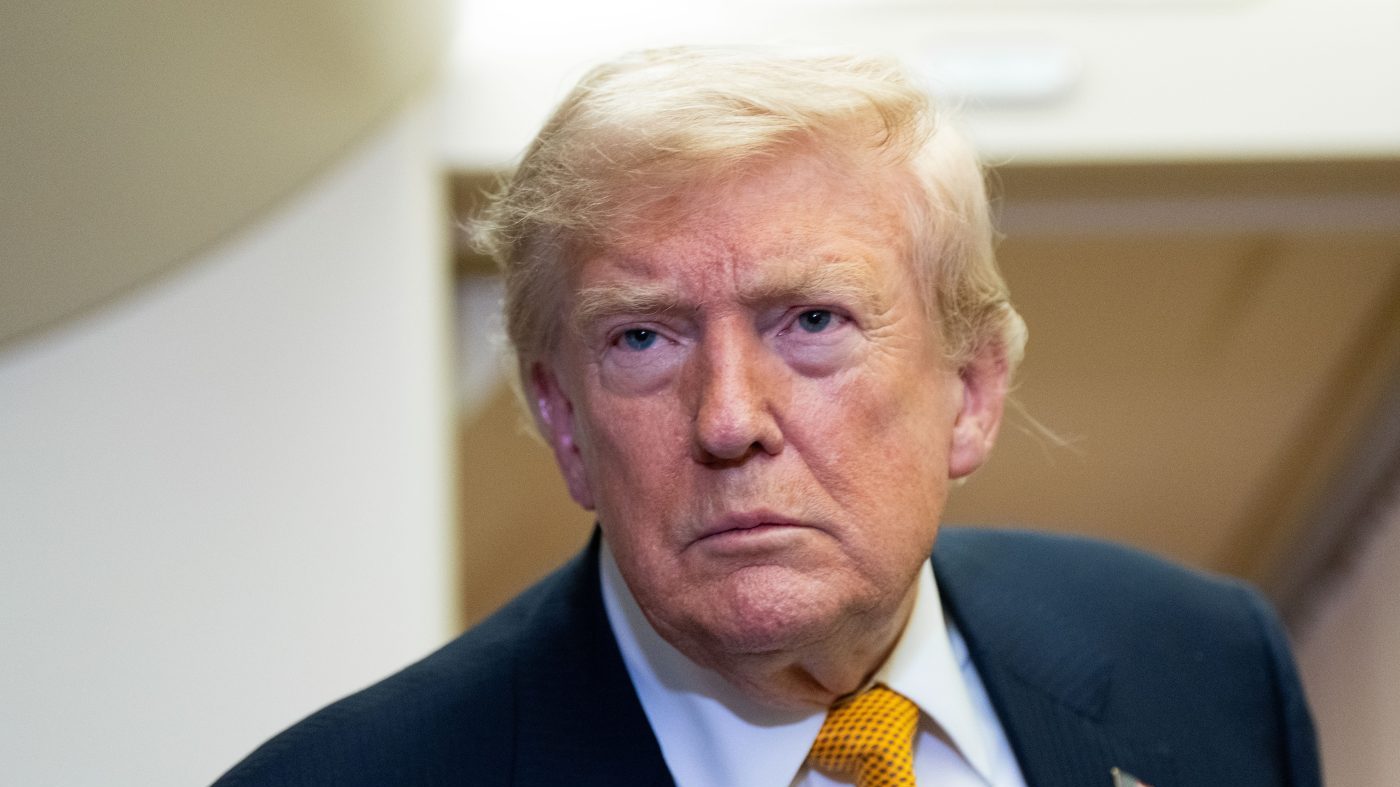
President Donald Trump announced Monday that the United States will reimpose a naval blockade on the Strait of Hormuz, effectively asserting American control over the strategic waterway amid escalating hostilities with Iran. The move follows a weekend exchange of strikes between U.S. and Iranian forces, marking a significant escalation in a conflict that has disrupted global shipping and rattled energy markets.
Trump Declares U.S. as 'Guardian of the Strait'
In a series of posts on his Truth Social platform, Trump declared that the strait “is OPEN, and will remain OPEN, with or without Iran.” He framed the blockade as targeting only Iranian vessels and those of its customers, saying, “We are reinstating the THE IRANIAN BLOCKADE, so named because it is only stopping Iran’s ships or customers from entering or leaving.”
Trump further asserted that “all other countries will have fair and open use of the Strait,” and announced that the U.S. would henceforth be known as “the Guardian of the Hormuz Strait.” He added that the United States would be “reimbursed” at a rate of 20 percent on all cargo shipped through the waterway, describing the levy as a matter of “FAIRNESS” to cover the costs of providing security in what he called “this very volatile section of the World.”
“The process and formation will begin immediately,” Trump wrote, signaling a unilateral assertion of authority over one of the world’s most critical chokepoints for oil and gas shipments.
Iranian Condemnation and Military Context
Iran swiftly rejected Trump’s claim, asserting that the strait belongs to Tehran. According to The Associated Press, Iranian officials stated they “will not allow a rogue and child-killing army from the other side of the world to continue its illegal interference in it.”
The announcement comes after U.S. Central Command said Sunday that it had “completed a new wave of offensive strikes against Iran,” hitting “dozens of targets at multiple locations with precision munitions to degrade Iran’s ability to continue attacking international shipping flowing through the Strait of Hormuz.” These strikes were a response to an Iranian attack on a container ship in the strait last week.
Trump had already signaled the end of any ceasefire during the NATO summit last week, saying the truce between the U.S. and Iran is “over.” The renewed hostilities have drawn comparisons to previous confrontations in the region, with analysts warning of a broader conflict. For more on the military dimension, see Centcom Unleashes Precision Strikes on Iran as Strait of Hormuz Crisis Escalates.
Domestic and International Implications
The blockade and the 20 percent levy have raised alarms among allies and shipping nations, who fear the move could further destabilize global energy supplies and trigger retaliatory measures from Iran. Critics argue that Trump’s unilateral action bypasses international maritime law and could lead to a protracted standoff in the Gulf.
On the domestic front, the escalation has reignited debates over the scope of presidential war powers and the administration’s strategy in the Middle East. Some lawmakers have expressed concern that the blockade could draw the U.S. deeper into a conflict without congressional approval. The political fallout is already being felt, as Trump-Thune tensions flare as Senate GOP grapples with the SAVE Act and surveillance fights, highlighting fractures within the Republican party over the administration’s priorities.
Broader Security Concerns
The crisis also underscores the national security risks posed by Trump’s second-term policies. As the administration pushes forward with its agenda, some analysts have warned that the confrontation with Iran could distract from other pressing threats. In a related development, Congress must act: Trump's second term poses grave national security risk, according to a recent analysis that urges lawmakers to reassert oversight.
Meanwhile, the legal landscape continues to shift. The Supreme Court recently upheld birthright citizenship, rejecting a Trump executive order, a decision that has emboldened opponents of the administration’s hardline immigration stance. The intersection of these issues is likely to dominate the political discourse in the coming weeks.
As the situation in the Strait of Hormuz develops, the world watches to see whether Trump’s gambit will secure the waterway or plunge the region into a wider war. For now, the president has made clear that the U.S. intends to “run it” – and at a steep price for global commerce.