In June 2010, Hugo Chávez unleashed a furious tirade against Israel, calling it a terrorist state and damning its leaders. Now, just over a decade later, the Venezuelan regime he founded is sending Passover greetings to Jerusalem and welcoming Israeli rescue teams after a devastating earthquake. The shift is less a change of heart and more a calculated maneuver by a government desperate for legitimacy.
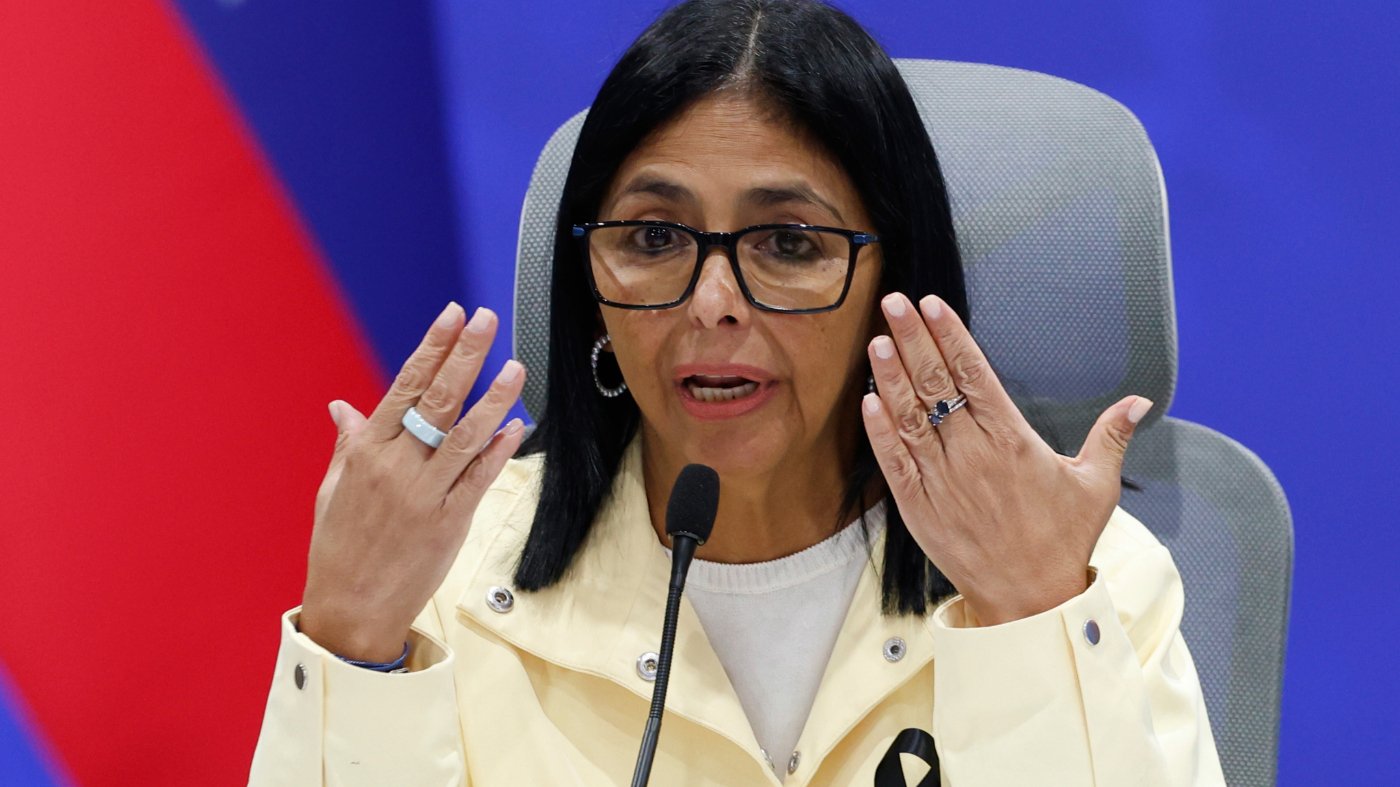
The transformation began after Nicolás Maduro was captured and removed in January. Since then, the Chavista regime has performed a diplomatic about-face, distancing itself from its long-time ally Iran and embracing Israel. The most striking example came in April, when interim President Delcy Rodríguez issued a video message for Passover, calling for peace and religious coexistence. It was a far cry from Chávez's venom, but critics say it rings hollow.
Rodríguez's brother, Jorge Rodríguez, and Interior Minister Diosdado Cabello are key figures in this new strategy. They have orchestrated a series of gestures aimed at winning Israeli favor. In a significant move, the regime extradited Ali Zaki Jalil, a Hezbollah agent wanted for a 1994 terrorist attack in Buenos Aires, to Panama. It also handed over Alex Saab, Maduro's former investment chief, to U.S. authorities on money laundering charges. Saab was the architect of Venezuelan cooperation with Iran and Hezbollah, accused of providing passports to terrorists and funneling millions from oil and gold to Iranian-backed groups.
Perhaps the most dramatic step was the removal of highly enriched uranium from Venezuela's RV-1 research reactor. The operation, conducted with U.S. and U.K. assistance and IAEA oversight, eliminated a security threat that had worried Israel and the Americas for years.
After the June 24 earthquakes, Venezuela authorized an Israeli military and humanitarian team to provide urgent assistance. Rodríguez praised the team's professionalism, noting they arrived through contacts with the local Jewish community. The IDF's Home Front Command even presented a national rehabilitation plan to Venezuelan officials. Israeli Prime Minister Benjamin Netanyahu acknowledged the shift, saying in a video message, "You are rebuilding ruins, and you are rebuilding relations."
This diplomatic pivot is part of a broader effort by the interim government to gain international recognition and support. By breaking with Iran and cozying up to Israel, Caracas hopes to open doors in Washington and other influential capitals. But as Trump's anti-communism pledge signals a new strategy for Venezuela, the regime's motives remain suspect.
The Chavista regime has scrubbed Maduro-era anti-American and antisemitic propaganda from its messaging, but its core ideology remains unchanged. The same leaders who once celebrated the Iranian revolution now claim to embrace Israel, but their actions are driven by convenience, not conviction. They are willing to change everything so that nothing actually changes—even using a natural disaster to bury democracy.
Meanwhile, the Venezuelan people's demands remain unmet: freedom for all political prisoners, the unhindered return of opposition leader María Corina Machado, and free and fair elections. As the regime courts Israel, it continues to suppress dissent at home. The international community should not be fooled by this masquerade. Castro: ICE attempted deportations to earthquake-ravaged Venezuela highlights the ongoing humanitarian crisis.
Arturo McFields, a former Nicaraguan ambassador to the OAS, notes that Venezuela's interim government seeks closer ties with Israel out of convenience rather than conviction. They aim to gain legitimacy and support, and to open doors in influential places that only Tel Aviv could help them access. But until they address the people's demands, their gambit remains a cynical exercise in political survival.