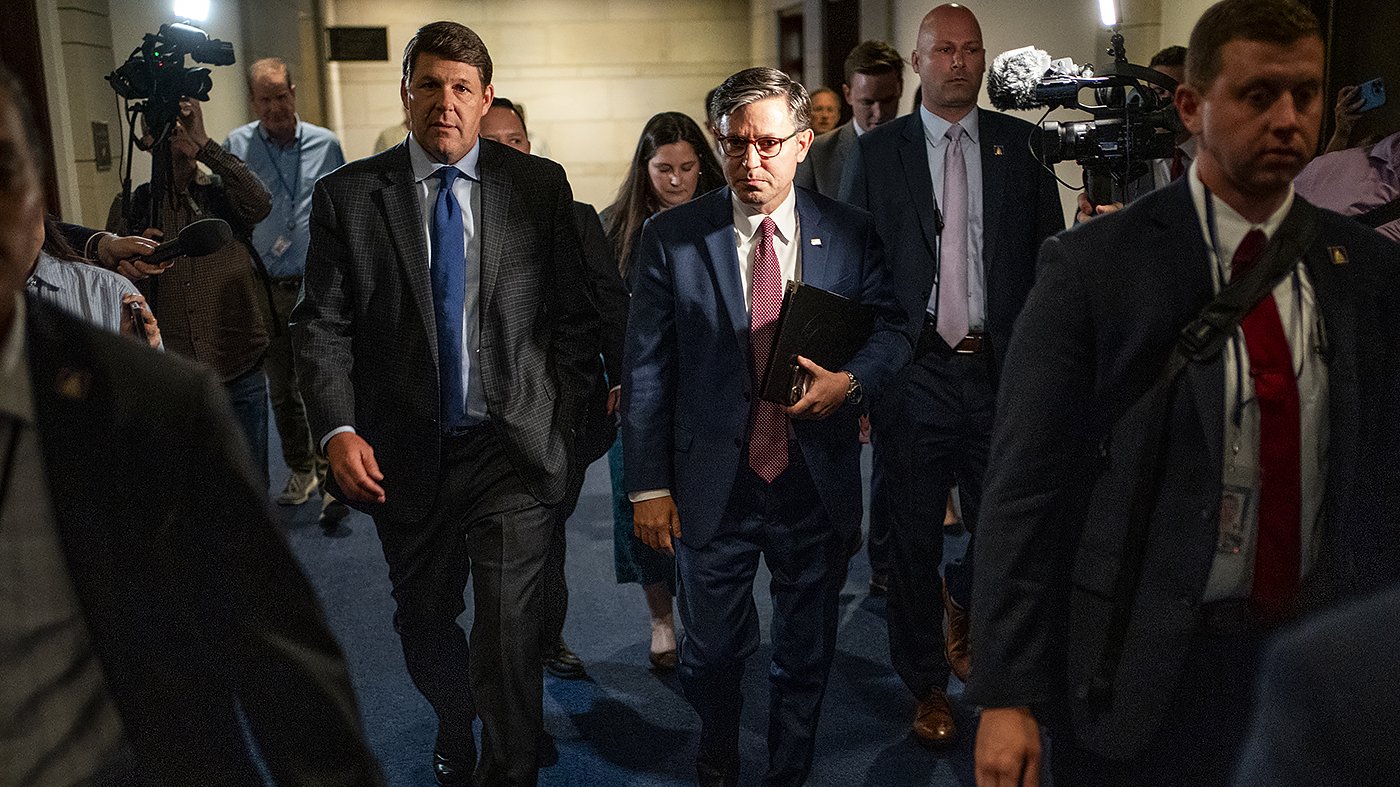
The House GOP on Wednesday released a budget blueprint for a roughly $95 billion reconciliation package, channeling funds toward defense, agricultural assistance, and state-level voter identification mandates. The proposal marks Republicans’ latest attempt to leverage the reconciliation process—which bypasses the Senate filibuster with a simple majority—while they maintain control of both chambers and the White House.
House Budget Committee Chairman Jodey Arrington described the resolution as a “fiscally responsible framework” that aligns with President Trump’s priorities. However, internal party divisions have already surfaced, with some conservatives demanding deeper spending cuts and moderates pushing for more robust farm aid. The package is expected to be the last major reconciliation push before the high-stakes 2026 midterm elections.
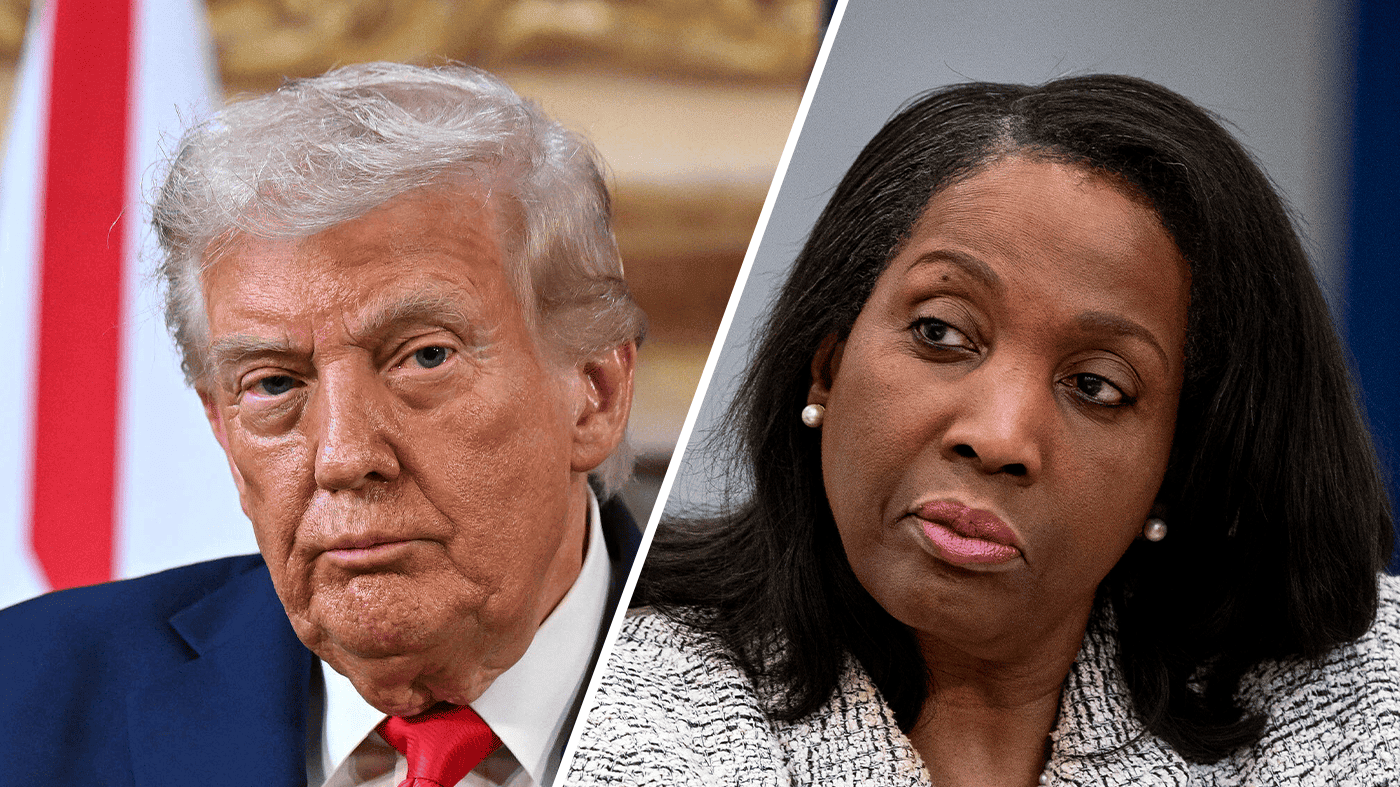
The resolution allocates significant resources to bolster national defense, including funding for the Pentagon and missile defense programs. It also provides billions in farm aid to shore up rural constituencies ahead of the midterms, a move that could help GOP incumbents in agricultural states. Additionally, the bill includes grants to states implementing voter ID laws, a key priority for Republicans who argue it will enhance election integrity.
Democrats have already criticized the proposal as a partisan wish list that neglects healthcare, climate, and education investments. Senate Majority Leader Chuck Schumer called it a “slush fund for right-wing priorities” and vowed to fight any effort to curb voting access. The budget resolution is just a framework, but it sets the stage for a more detailed reconciliation bill that could face amendments and negotiations.
The House Budget Committee is scheduled to mark up the resolution on Thursday, with GOP leaders hoping for swift passage. However, the process could be complicated by internal fissures, as some members demand further cuts to social programs and others seek additional defense spending. The committee’s markup will be closely watched for signs of unity or discord.
This reconciliation effort comes amid a broader push by House Republicans to advance their legislative agenda, including a third reconciliation bill that has stirred internal tensions over defense demands and fiscal priorities. The party is racing against the clock, with the 2026 elections looming and Democratic opposition hardening.
Outside the budget fight, the administration has faced scrutiny over financial controversies, including a recent report on Trump’s $2.2 billion windfall and calls for a probe into his crypto dealings. These distractions could complicate the GOP’s messaging on the reconciliation package.
For now, the budget resolution serves as a starting point for what promises to be a contentious legislative battle. The outcome will test Republican unity and set the stage for the final stretch of the 118th Congress.