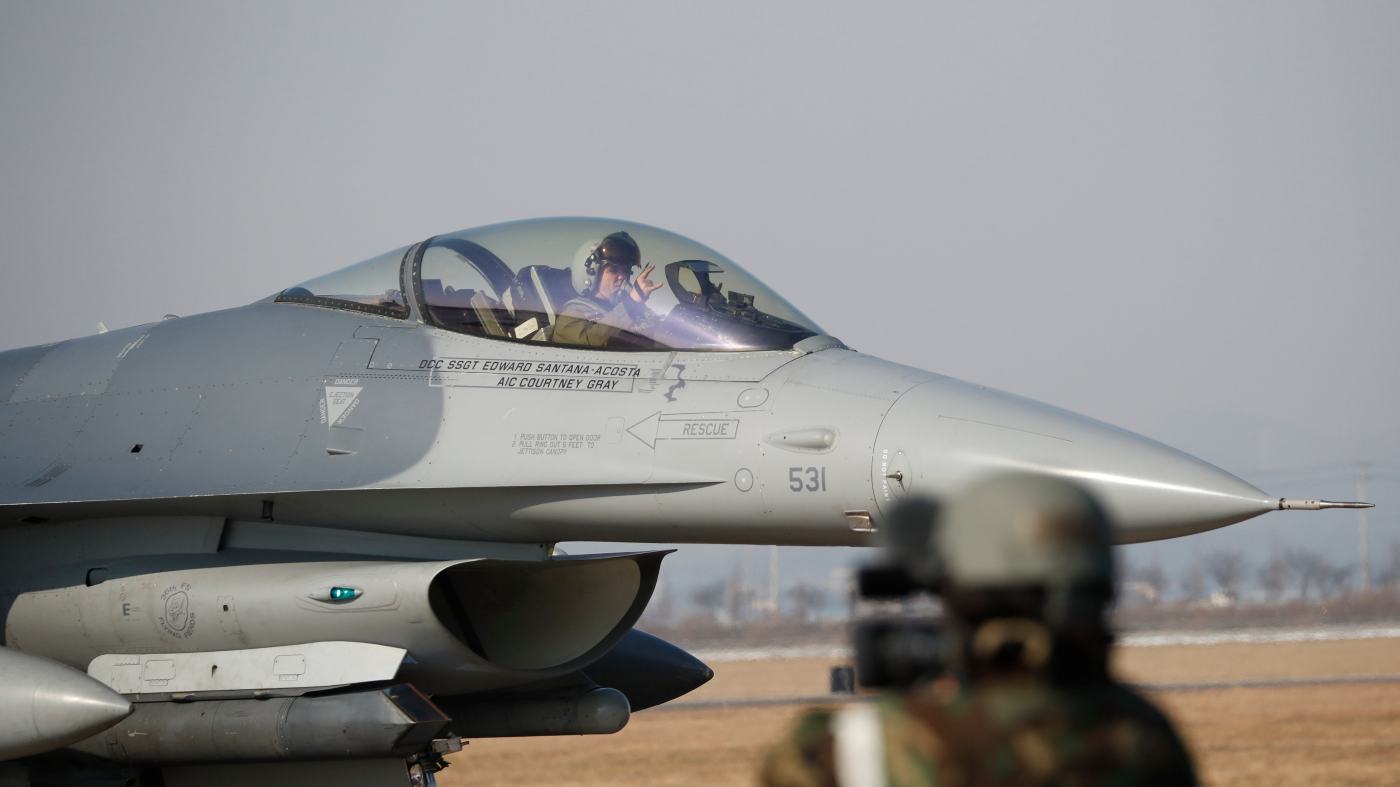
Local officials in Pyeongtaek, South Korea, issued a temporary evacuation order Tuesday afternoon after a reported white phosphorus leak at Osan Air Base, a US military installation near Seoul. The order, which affected residents in close proximity to the base, was lifted several hours later, according to The Associated Press.
The incident occurred around 5:08 p.m. local time, the US 51st Fighter Wing confirmed in a statement, characterizing it as a “ground mishap.” However, the statement did not explicitly mention a white phosphorus leak, despite local reports of the hazardous substance.

The US military pushed back against claims of a general evacuation of the base itself, calling such reports “incorrect.” Instead, officials said they established a 1,000-foot safety cordon “out of an abundance of caution” to protect both base personnel and the surrounding civilian population.
“Our emergency response professionals are currently managing an isolated situation on the installation. We are handling this matter with the utmost care and expediency,” the 51st Fighter Wing said. “The safety and well-being of our service members, their families, and our Pyeongtaek neighbors remain our absolute highest priority.”
Local authorities later sent text messages to residents confirming that decontamination work at the base had been completed.
White phosphorus is a waxy, toxic chemical that ignites upon contact with oxygen. It is commonly used in incendiary munitions and smoke shells. Human rights organizations have repeatedly condemned its use in conflict zones, noting that it burns at extreme temperatures, causing severe chemical burns and igniting structures. Exposure can also lead to short- and long-term respiratory damage.
The incident comes amid broader scrutiny of US military operations abroad. The Israeli military, for example, has faced accusations from human rights groups of repeatedly deploying white phosphorus in Lebanon in recent months.
Osan Air Base, a key US air hub in the region, has been at the center of discussions about the US military posture in East Asia. The base plays a critical role in monitoring North Korean activities and supporting allied operations. The mishap adds to the ongoing debate about the safety and environmental impact of US bases on local communities.
For more on the evolving international security landscape, see our coverage of potential US military strikes on Iran and the geopolitical implications of aid cuts in Africa.