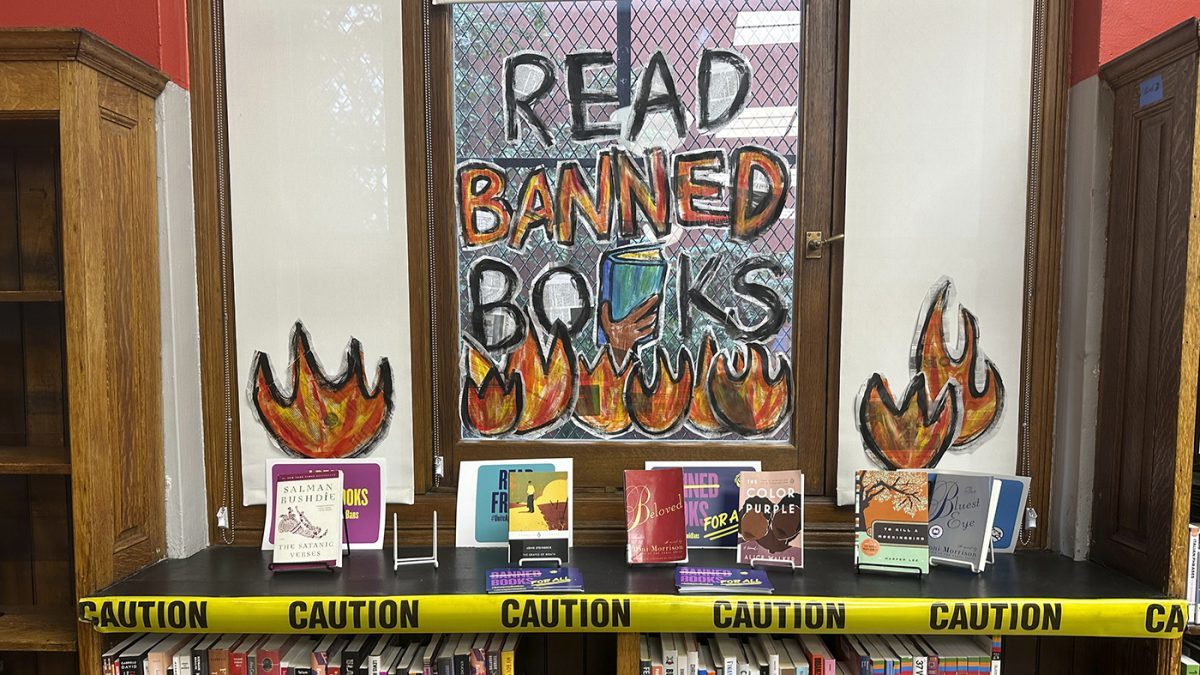
For years, school districts and the American Library Association (ALA) have told parents and teachers to "trust the experts" when it comes to library book selections. But what happens when the experts themselves raise concerns? Two veteran educators argue that the mantra is a convenient way to silence dissent—even when that dissent comes from people with advanced degrees and specialized training.
Crystal Marull, who holds a Ph.D. in second language acquisition and teaching certifications in four states, and Vicki Baggett, a high school teacher with a master's in English and multiple certifications, say they were both vilified after questioning books available to students. They describe a pattern: first, objectors are told they lack the right credentials; when they obtain those credentials, the goalposts move.
Marull was told her objections lacked merit because she wasn't a certified library media specialist. So she earned that certification—and still faced dismissal. She then conducted a professional semantic analysis of the challenged book, which was ignored by officials with less training. "I was treated as a problem to be managed," she said, and her family's private dispute became a public spectacle.
Baggett's experience was more extreme. After reading an optional novel assigned to her students, she found explicit sexual content, including a scene describing incest and bestiality. She took her concerns to the district's library catalog and began flagging other sexually explicit titles. The backlash was swift: a national media campaign, over 12,000 emails demanding her firing, two lawsuits, and death threats. Despite being rated "highly effective" and cleared by an internal investigation, the attacks continued. It took three years for the school board to remove the book that started it all—The Perks of Being a Wallflower—along with hundreds of other titles she had identified.
The ALA has long insisted that library books are vetted through professional reviews, but a 2026 study from one of its own divisions found that librarians themselves are losing trust in those reviews. "It's almost like we can't go on our reviews," one librarian admitted. The reviews, from outlets like Kirkus or School Library Journal, focus on themes and genre, not on content ratings for sexual material, violence, or language—ratings that exist for movies and music.
The two educators argue that the ALA's rejection of content rating systems leaves parents and teachers with no choice but to read the books themselves—which is exactly what they did. Their expertise, far from lending weight to their objections, made them targets. "If 'trust the experts' was sincere, then a credentialed expert's objection should carry more weight than an average parent's," they write. "Instead, we found the opposite."
This dynamic has broader implications for education policy debates and the push for more transparency in school libraries. The educators argue that the ALA's mantra was never about expertise—it was about demanding a predetermined conclusion. "Defer to the American Library Association, or risk consequences to reputation and career," they write. But they believe that threat is losing its power. "The curtain has been pulled back, and the sleight of hand is over."