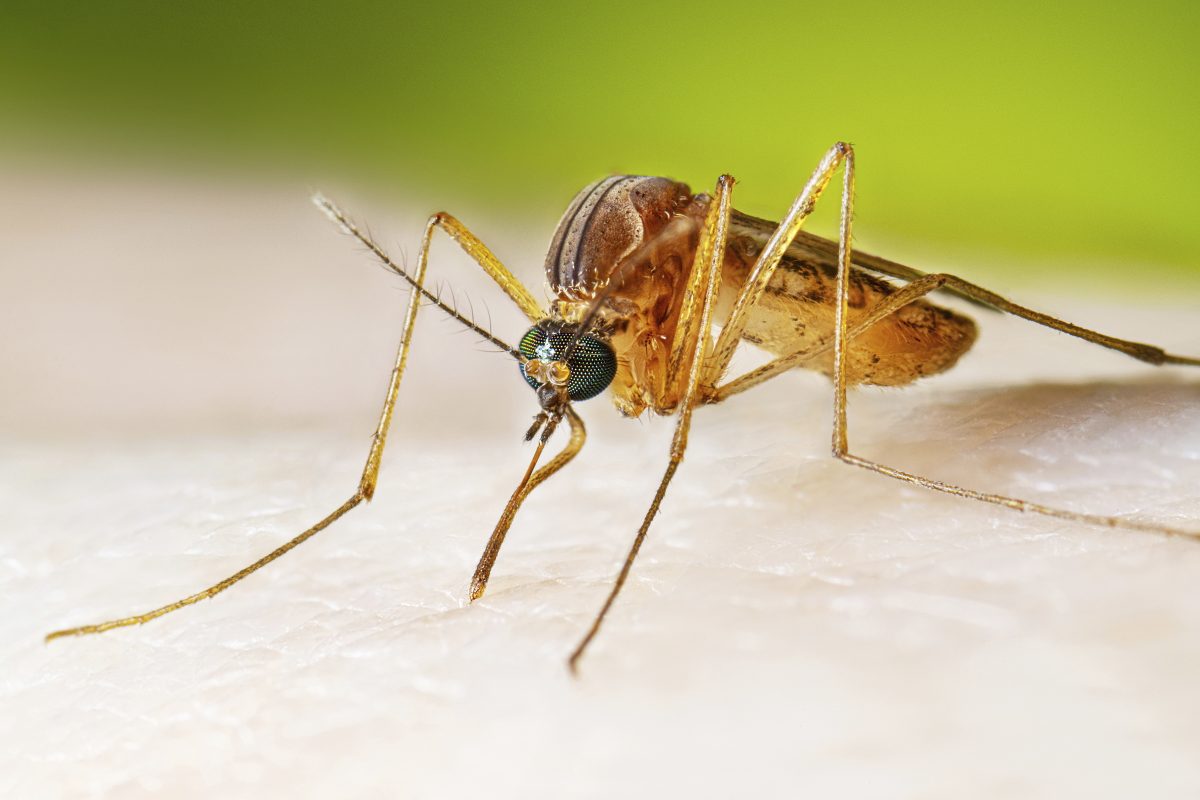
The United States is witnessing a sharp resurgence of West Nile virus, with case counts hitting a 22-year high this June, according to new data from the Centers for Disease Control and Prevention. The agency reports at least 48 human infections so far this year, a dramatic leap from the typical 10 cases seen by the end of June in recent years.
Of those reported, nearly 40 have progressed to severe neuroinvasive disease—the most dangerous form of the infection, which can cause encephalitis or meningitis. This spike comes as Americans prepare for outdoor holiday activities, raising concerns about mosquito-borne illnesses alongside heightened tick activity.
Where West Nile Activity Is Highest
CDC surveillance maps show concentrated viral activity in several regions, though the agency has not released a full state-by-state breakdown for 2025. Historically, the highest rates have been in the Midwest, South, and parts of the West, with Texas, California, and Illinois often leading. This year's early surge mirrors patterns from past outbreak years, such as 2002 and 2012.
Health officials urge the public to use EPA-approved repellents, eliminate standing water, and wear protective clothing, especially during dawn and dusk when mosquitoes are most active. The CDC has not declared a national emergency, but the data signals a need for heightened vigilance.
Broader Public Health Context
The West Nile spike is part of a wider pattern of infectious disease resurgences. For example, Cyclospora cases have surged past 315 as the CDC investigates a seasonal outbreak, and Ebola cases in Congo have jumped 38% amid funding shortfalls. Domestically, the Lackland Air Force Base flu outbreak has surpassed 220 cases after mandatory vaccination was ended.
These trends underscore the challenges facing public health systems as they juggle multiple threats with limited resources. The West Nile virus, first detected in the U.S. in 1999, has no specific treatment or vaccine for humans, making prevention critical.
Political and Policy Implications
The outbreak may reignite debates over federal funding for mosquito control programs and disease surveillance. Some lawmakers have called for increased CDC resources, while others point to the need for local preparedness. The Biden administration has not yet issued a formal response, but the issue is likely to surface in upcoming hearings.
As summer progresses, the number of West Nile cases is expected to rise. The CDC advises that most infected people show no symptoms, but about 1 in 5 develop fever and body aches, and 1 in 150 face severe neurological complications. The elderly and immunocompromised are at highest risk.
For now, the message from health officials is clear: take mosquito precautions seriously, especially in areas with known viral activity. The 22-year spike is a stark reminder that West Nile remains a persistent public health threat.