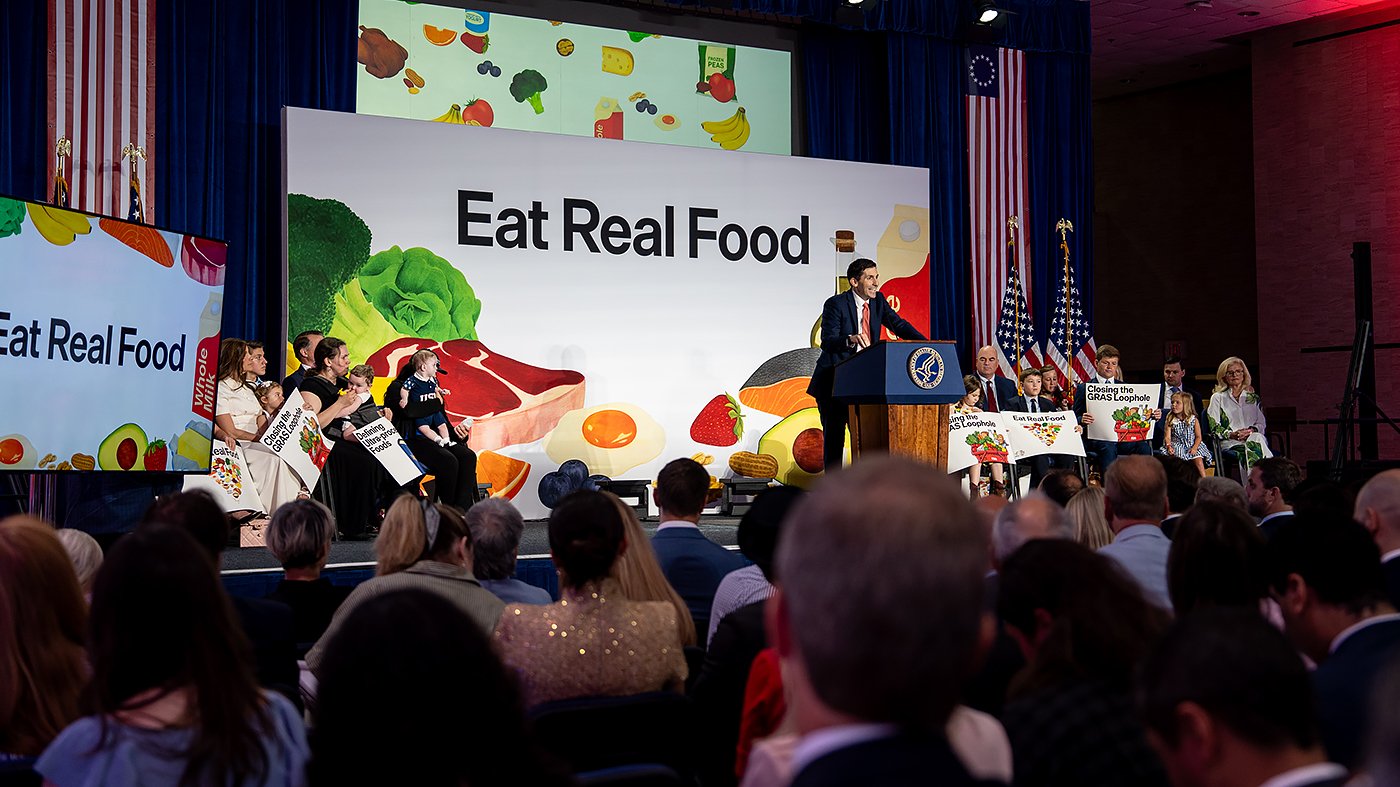
Health and Human Services Secretary Robert F. Kennedy Jr. has made “real food” the centerpiece of his vision to combat chronic disease, but a wave of foodborne illness outbreaks is drowning out that message and shaking public confidence in the nation’s food supply.
This summer has seen an unprecedented surge in cyclosporiasis, with nearly 30,000 reported infections and two deaths. Separate outbreaks linked to fresh produce, including salmonella in jalapeños and E. coli in frozen blueberries, have added to the strain. Taylor Farms, the produce giant tied to the cyclospora outbreak, has also recalled salsa, guacamole, and other items containing jalapeños due to a multistate salmonella outbreak.
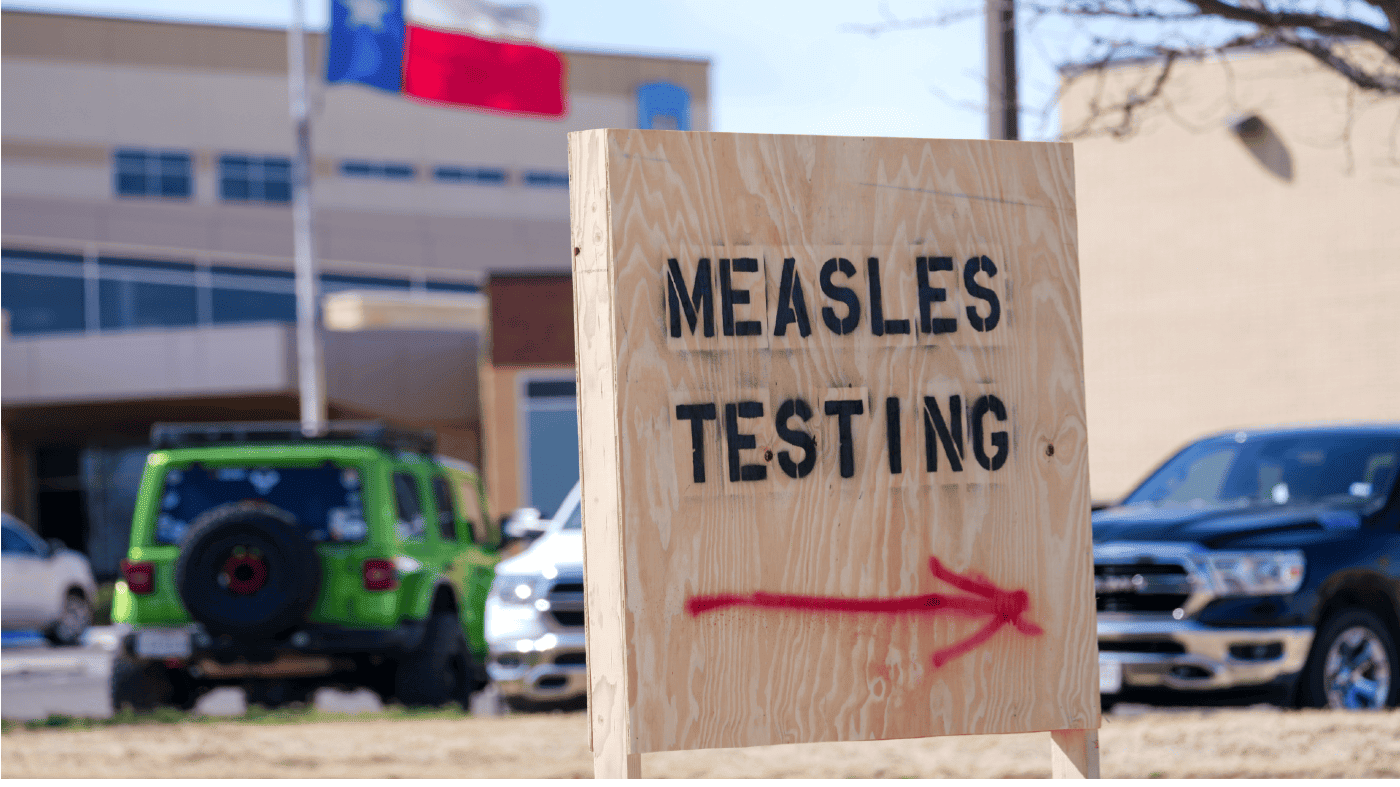
The convergence of these outbreaks, combined with the Trump administration’s halting response, is creating a crisis of consumer confidence that threatens to undermine the administration’s Make America Healthy Again agenda. Susan Mayne, former director of the FDA’s Center for Food Safety and Applied Nutrition, said the problem is twofold: “We’ve got more outbreaks, and you’ve got the perceptual problem.” That perception is driving consumers away from fresh produce and toward shelf-stable alternatives, directly undercutting the push for real food.
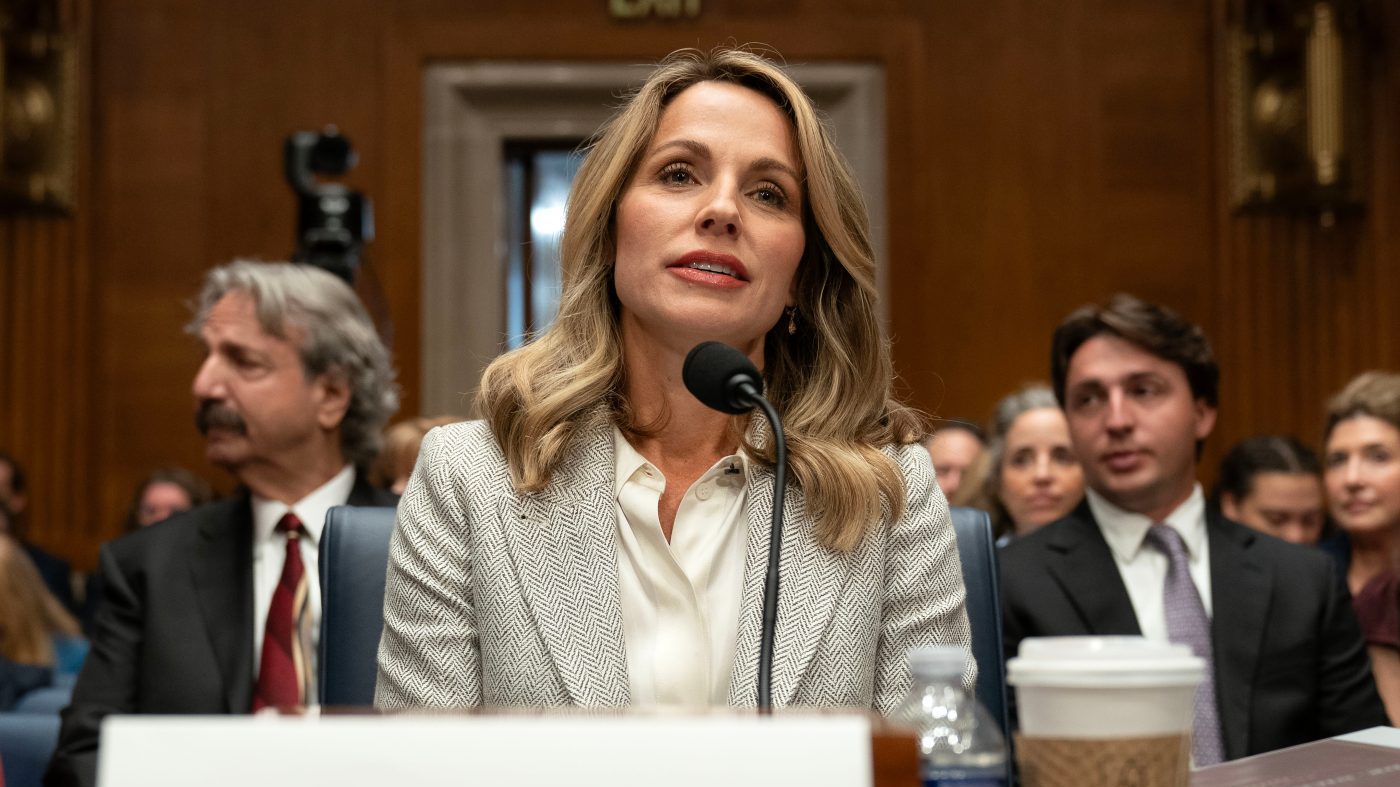
Public health experts stress that clear communication is critical during any outbreak, but the current messaging has left many Americans confused about what is safe to eat. A recent survey found that 40% of consumers have changed their buying habits due to the cyclospora outbreak, and 47% say they don’t trust the FDA to handle it. Michael Osterholm, director of the Center for Infectious Disease Research and Policy at the University of Minnesota, argued that trust can only be rebuilt by solving the outbreaks: “You need to be able to go back and say with certainty, this is how the contamination occurred.”
The FDA has linked Taylor Farms’ iceberg lettuce imported from central Mexico to nearly 10,000 illnesses across 17 states. Nearly a month later, the agency said investigators were finally on the ground in Mexico, but with thousands of additional cyclospora cases not tied to Taylor Farms, the source remains unclear.
Jerome Adams, who served as surgeon general during Trump’s first term, called the situation “a messaging and prioritization problem layered on top of real gaps in control.” He warned that telling people to eat fresh produce while warning that much of it can cause severe illness—without saying which sources are safe—is “actively scaring people away from the very foods the campaign promotes.”
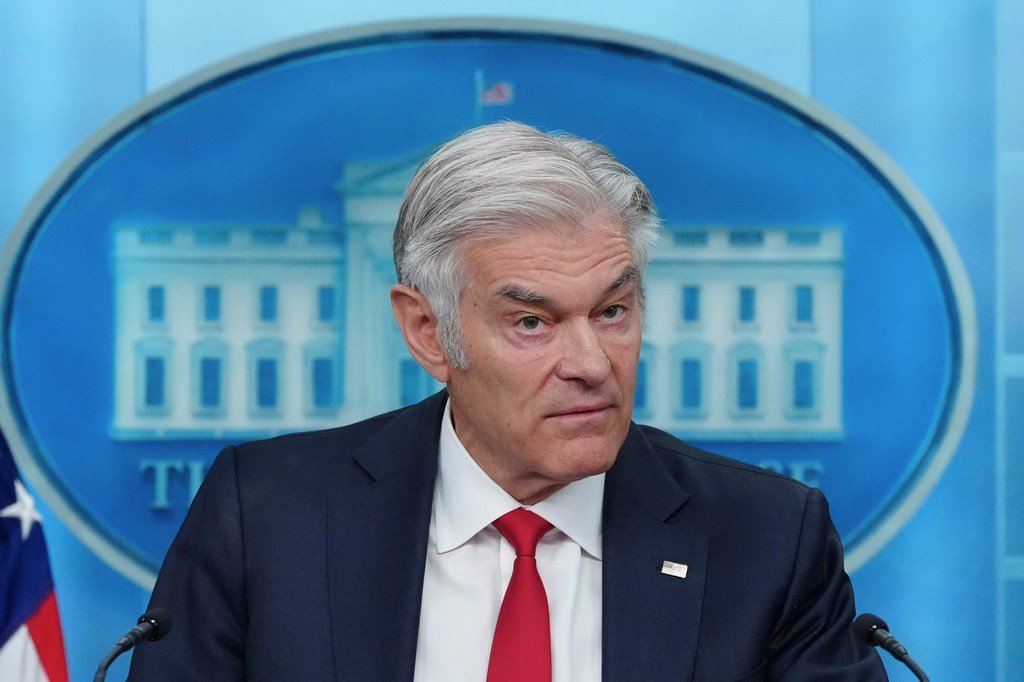
Acting FDA Commissioner Kyle Diamantas sought to reassure the public, telling CNBC that “we have the safest food supply in the world. Full stop.” But he offered no specifics on new safety measures, and his comments did little to address the underlying gaps in outbreak tracking and prevention.
The HHS “real food” campaign, anchored by the revamped food pyramid and the realfood.gov website, emphasizes fresh, minimally processed foods as the antidote to chronic disease. Kennedy has even launched “The Real Food Show” to promote practical, affordable cooking. Yet the very foods he champions—leafy greens, fresh produce, eggs—are among the highest risk for contamination. Ongoing outbreaks include salmonella in fresh jalapeños, a recall of nearly 1.5 million dozen eggs, and E. coli in frozen blueberries.
The irony is not lost on experts. As Adams noted, the mixed message is “not abstract.” For the “real food” agenda to succeed, the administration must first restore faith in the safety of the food it promotes. Related concerns about public health infrastructure are also emerging, including cuts to forensic science funding that could hinder outbreak investigations, and vaccine policy shifts that may further strain public trust. The administration’s ability to navigate these challenges will determine whether Kennedy’s vision becomes reality or remains a casualty of the current crisis.