The 60-day deadline under the 1973 War Powers Resolution expired at midnight on May 1, marking a critical juncture for the Trump administration's military operations in Iran, which began on February 28. Without a formal declaration of war or an imminent threat, the law requires the withdrawal of U.S. forces unless Congress authorizes an extension or the president cites unavoidable military necessity for a 30-day grace period.
President Trump did notify Congress within 48 hours of launching hostilities, as required by the resolution, but the justification for the operation remained vague. Now, as the clock runs out, lawmakers on both sides are pressing for clarity on why Operation Epic Fury continues.
Defense Secretary Pete Hegseth faced sharp questioning during back-to-back hearings before the House and Senate Armed Services committees last week. When asked about the expiration, Hegseth argued that a ceasefire effectively pauses the 60-day countdown. “We are in a ceasefire right now, which by our understanding means the 60-day clock pauses, or stops, in a ceasefire,” he told the Senate panel.
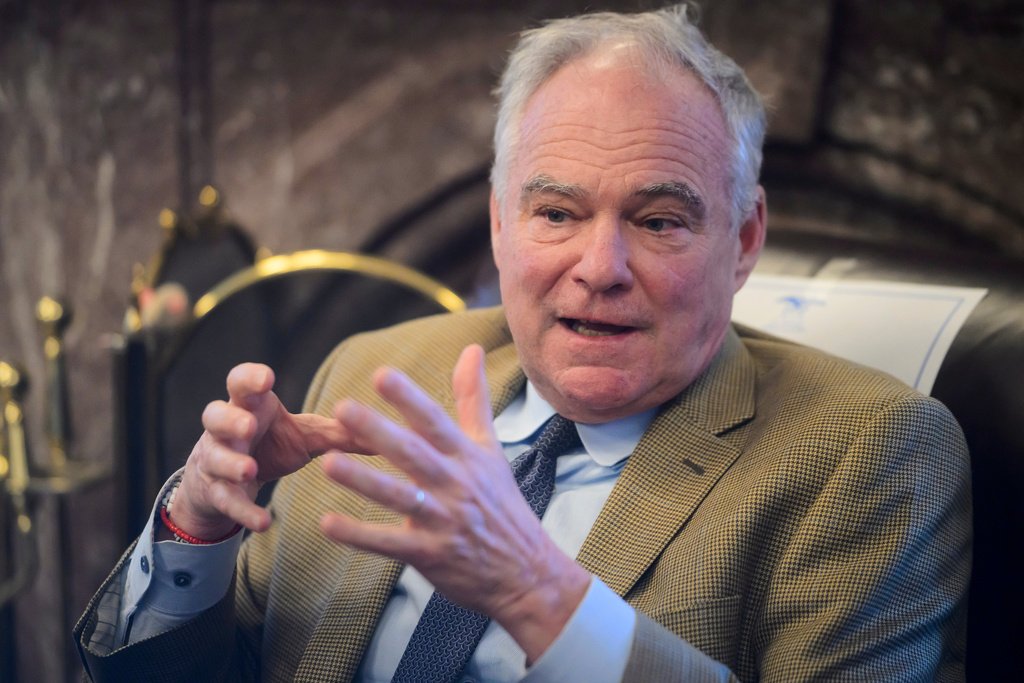
That interpretation drew immediate pushback. Senator Tim Kaine (D-Va.) accused the administration of sidestepping the law. “The White House does not intend to honor the 60-days,” Kaine said, calling Hegseth’s response “a direct challenge to lawmakers” who view the War Powers Resolution as essential to congressional oversight of military engagements. For more on the constitutional clash, see Hegseth Hearing Exposes Constitutional Clash Over War Powers and Iran Conflict.
With Congress in recess until next week, it remains unclear what action, if any, it will take upon returning. A procedural vote last Thursday to force the immediate withdrawal of troops failed 47 to 50, marking the sixth such defeat. Only Republican Senators Rand Paul (Ky.) and Susan Collins (Maine) crossed party lines to support the measure, underscoring the near-unanimous GOP backing for the president's approach.
That dynamic could shift as Congress considers a defense supplemental spending request to cover costs already incurred by the war, as well as the fiscal 2027 defense authorization and appropriations bills, which take effect October 1. The political stakes are high: midterm elections are just six months away, and the economy remains the top concern for voters, but the Iran situation is emerging as a significant factor.
A Washington Post-ABC News poll taken last week found only 33% of American adults approve of the president's handling of Iran, with 66% disapproving—a figure nearly identical to his approval rating on the economy. The president initially promised the conflict would last only four to six weeks, but it has now entered its tenth week with no clear end in sight. A Pentagon assessment shared with Congress warns that clearing naval mines from the Strait of Hormuz could take up to six months, with economic repercussions extending well beyond any ceasefire or peace deal.
The administration has attempted to sidestep the War Powers deadline by leveraging the ceasefire, a move that critics argue undermines congressional authority. For further analysis of this strategy, see Trump Uses Iran Ceasefire to Sidestep War Powers Act Deadline. Meanwhile, Secretary of State Marco Rubio has pushed for a UN resolution to reopen the strait, as detailed in Rubio Pushes UN Resolution to Reopen Strait of Hormuz Amid Iran Conflict.
Historically, wars have sometimes rallied the nation around the flag, but support often erodes as conflicts drag on and justifications lose credibility. The old adage that politics stops at the water's edge has been tested repeatedly in recent decades, from Iraq to Afghanistan. As the 2026 midterms approach, both parties are acutely aware that the Iran operation—and how it is managed—could shape voter sentiment in ways that neither side can predict.