Venezuela's fragile democratic transition has hit a devastating roadblock. The twin earthquakes that struck on June 24, killing more than 1,700 people, have become a political lifeline for the repressive remnants of the Chavista system, even as Nicolas Maduro sits in a New York courtroom.
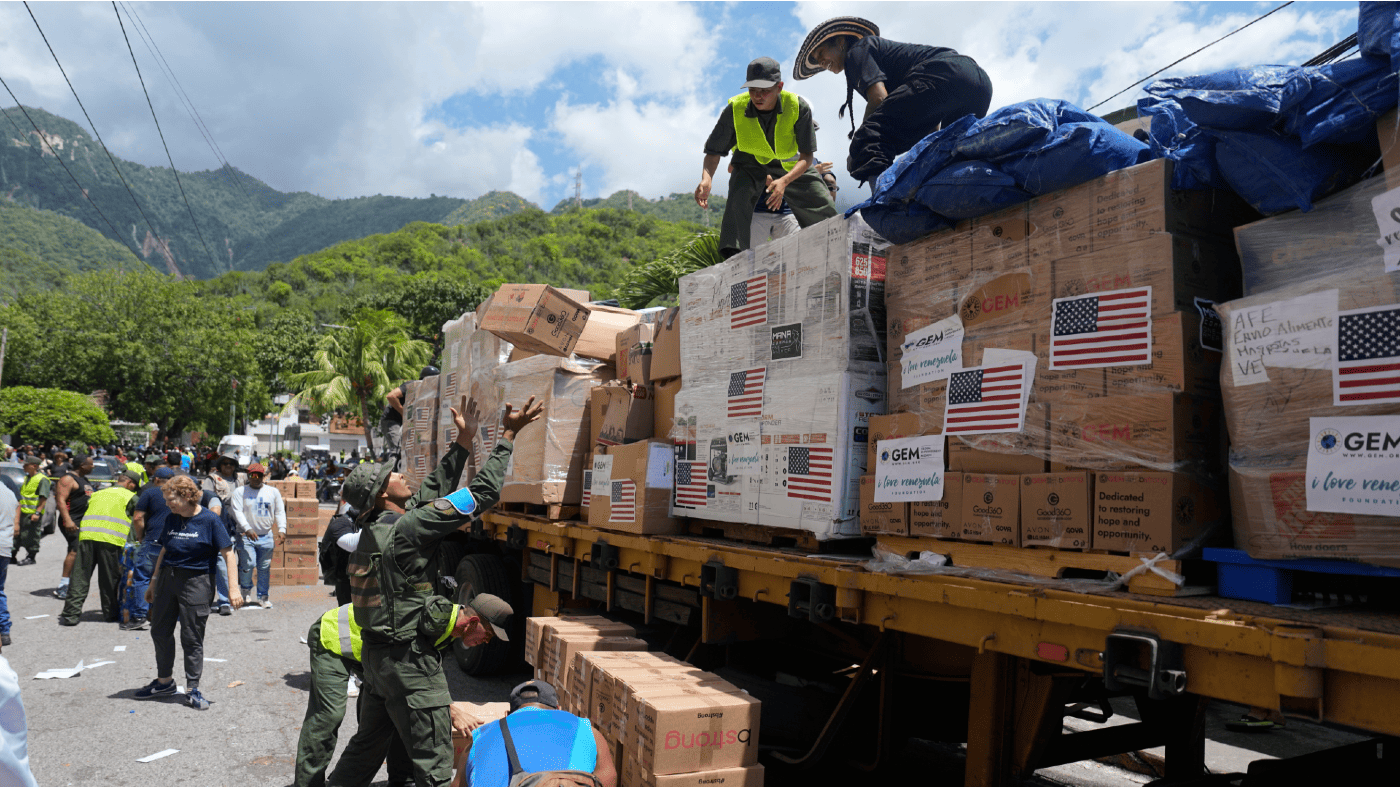
Interior Minister Diosdado Cabello was seen actively obstructing the arrival of U.S. humanitarian aid, a stark image of the regime's brutality. Instead of bringing rescue equipment, Chavista military forces arrived in disaster zones with pistols and rifles, stealing belongings from survivors. Rep. Carlos Gimenez (R-Fla.) condemned the regime for extorting victims, insisting that all aid must go directly to the Venezuelan people.
The earthquakes have exposed deep structural failures. Housing built under Hugo Chavez's Great Housing Mission collapsed en masse, with only three of 193 complexes remaining standing—a damning indictment of 21st-century socialism. The U.S. has responded with a massive humanitarian effort, increasing financial commitments to over $300 million, including an extra $50 million for partner organizations.
Prior to the quakes, the Trump administration had made significant progress. Maduro was captured and extradited to New York, and Venezuela's highly enriched uranium was removed—a first for any U.S. administration. The U.S. also helped capture Ali Zaki Hage Jalil, a suspected Hezbollah agent, and Hector "El Niño" Guerrero, leader of the Tren de Aragua terrorist group. Additionally, Dinorah Figuera, president of the 2015 National Assembly, returned from exile to advance electoral reforms.
But the earthquakes have cracked the stabilization process. The regime is now using the disaster to consolidate power, block democratic reforms, and prevent opposition leader Maria Corina Machado from returning to coordinate relief efforts. Machado, a Nobel Peace Prize laureate currently in Panama, has vowed to do whatever it takes to come home.
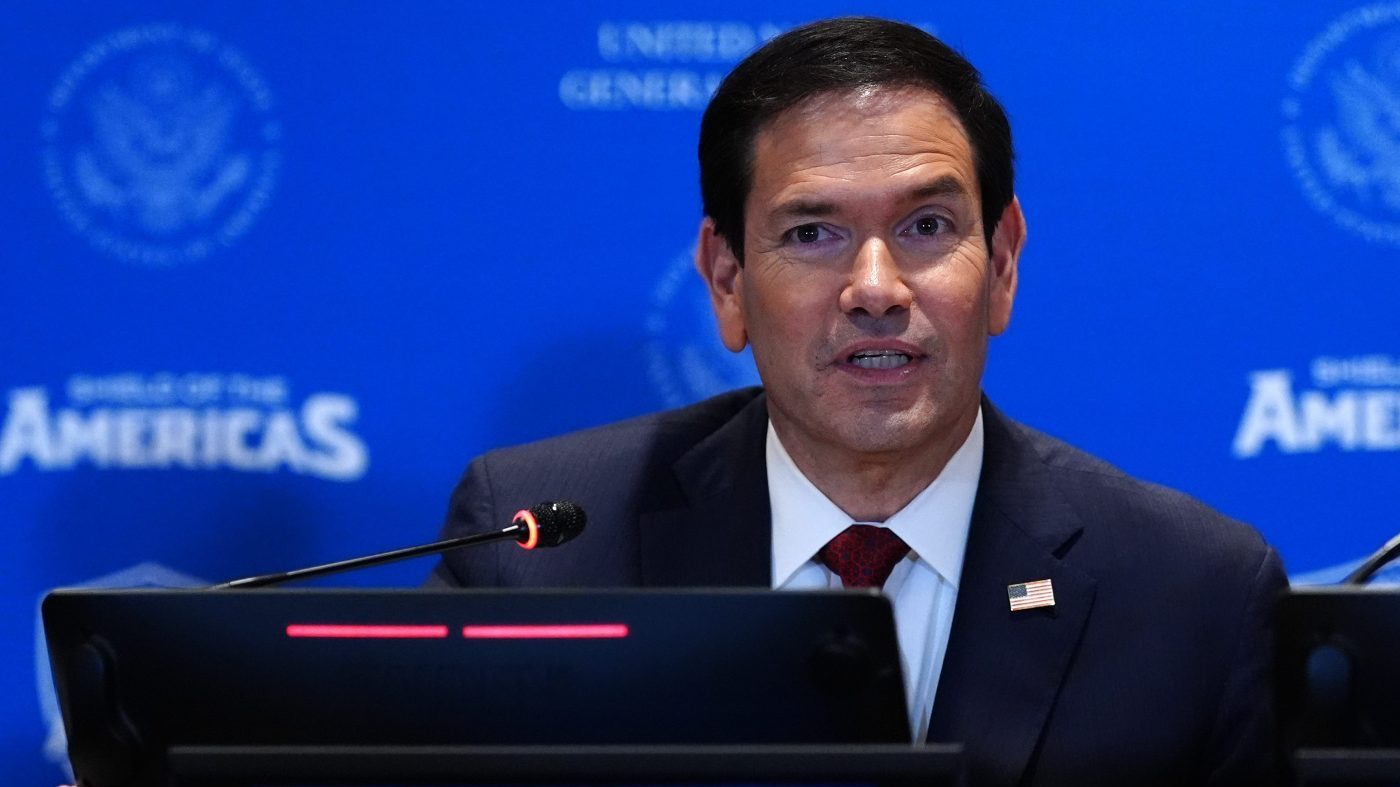
The U.S. remains committed to the Monroe Doctrine and a secure, prosperous Venezuela, but that commitment is being tested. President Trump stated, "The two major earthquakes that just hit the great people of Venezuela are both massive in scale and have left a devastating number of deaths. The U.S.A. stands ready, willing, and able to help!"
For more on the U.S. military response, see our coverage of the deployment. Meanwhile, the State Department has confirmed three Americans dead and over a dozen missing in the quakes.
Arturo McFields, an exiled journalist and former Nicaraguan ambassador to the OAS, contributed this analysis.