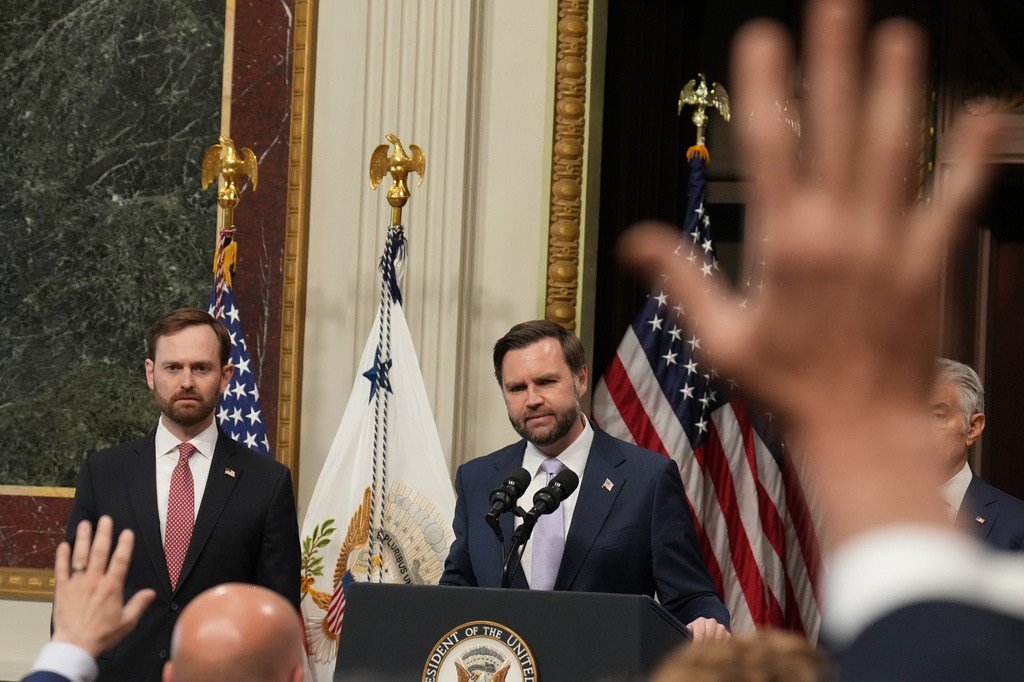
Vice President JD Vance, tapped by President Trump as the administration's point man on fraud, took his case to Capitol Hill last week, urging lawmakers to lock in the recent crackdown on Medicare and Medicaid abuse through permanent legislation. Speaking at a roundtable with members of Congress, Vance argued that the enforcement gains achieved through executive action could evaporate with a change in administration unless codified by statute.
The push comes after Vance reported to the Cabinet at a Camp David meeting in late July that his team had identified $230 billion in fraud and successfully stopped $56 billion before any funds were disbursed. Now, he is calling on Congress to act before the political momentum fades.

Congressional action needed to secure enforcement gains
The administration has relied on regulatory and executive tools to suspend suspicious payments, impose moratoriums on new enrollments for hospice, home health, and durable medical equipment suppliers, and revoke billing privileges from thousands of providers. Under Health and Human Services Secretary Robert F. Kennedy Jr., CMS Administrator Mehmet Oz, and Center for Medicare Director John Brooks, these measures have been aggressive and, according to Vance, effective.
But as Vance emphasized, a future administration could simply choose not to enforce the rules, undoing the progress overnight. Only Congress can make the enforcement authority, funding levels, and enrollment moratoriums permanent. Relevant committees, particularly Senate Finance and House Energy and Commerce, should draft legislation this fall to cement these protections, he argued.
The urgency is underscored by recent prosecutions. In Philadelphia, federal prosecutors unsealed charges against 19 people in a home-healthcare scheme that defrauded taxpayers of more than $4 million. One caregiver allegedly billed for visits while traveling abroad; another claimed to care for seven patients simultaneously, logging more hours than exist in a day.
This year's national health care fraud takedown resulted in charges against more than 450 defendants tied to roughly $6 billion in alleged false claims. In California and Minnesota, more than $1 billion in Medicaid reimbursements have been frozen while states verify that funds are reaching legitimate patients.
Balancing enforcement against legitimate care
However, the same enforcement tools that catch fraud can overcorrect and harm patients who rely on legitimate services. Remote patient monitoring, which allows seniors with chronic conditions to send vital readings from home, has been flagged for abuse by companies cold-calling beneficiaries into plans they never requested. CMS has proposed rules that could effectively gut the use of outside monitoring companies, even though many practices depend on them to manage patients in underserved areas.
The Heritage Foundation's Peter St. Onge suggests that Congress could write a targeted fix: ban cold-calling of beneficiaries and require physician sign-off before enrollment. Those two changes, he says, would eliminate most of the fraud without destroying a program vital to rural seniors.
As Vance's economic message resonates in key states, the administration is betting that a bipartisan consensus can be built around protecting Medicare. Both parties have a stake in preserving the program for seniors who paid into it for decades. The administration has done its part; now, as Vance made clear, the next move belongs to Congress. Lawmakers should introduce a bill while they still have the momentum to get it done.