Republican leaders may be missing a critical electoral warning sign. With Democrats gaining momentum among working-class and disenfranchised voters, the party risks handing the opposition a decisive issue this November—unless it taps the one figure in the administration who truly understands their struggles: Vice President JD Vance.
While many Americans still credit President Trump with a sharp economic mind and believe that "the business of America is business," they also recognize that Trump grew up in a bubble of wealth and privilege. His sympathies for the working class, however genuine, remain abstract. Trump has never faced the daily grind of poverty—the rent that's due with an empty bank account, the choice between heating and eating, the walk to a minimum-wage job because the car has no gas, or the humiliation of telling a child that prom is out of reach.
These are the realities for millions of Americans, as Douglas MacKinnon, a former White House and Pentagon official, reminds us. MacKinnon, who grew up in abject poverty and homelessness, says that when privileged officials tell these same Americans to "suck it up" for the sake of national security—such as accepting higher gas prices to deter Iran—it breeds anger and alienation. He has heard from Republicans and Trump supporters who question why they must sacrifice after being told that Iran's nuclear threat was already neutralized.
The GOP's problem is not just policy, but perception. Many working-class voters feel the party has worsened their financial strain while lecturing them to endure it. That is not a winning strategy in the voting booth. What they need, MacKinnon argues, is a champion—someone who has lived their struggles and risen to a position of power to make a difference.
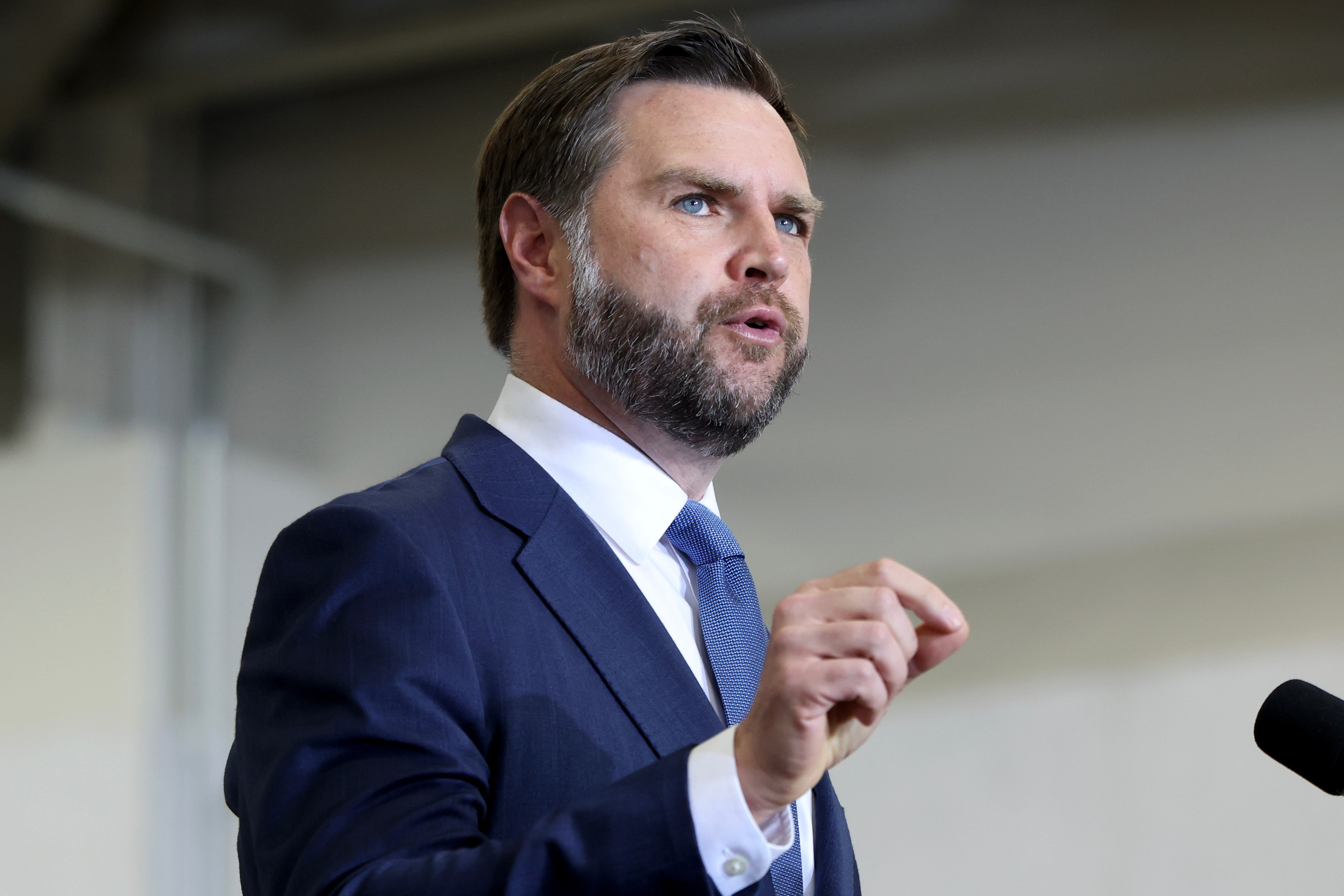
That champion, he says, is JD Vance. Vance's journey from a troubled Rust Belt childhood, as chronicled in his bestselling memoir Hillbilly Elegy, to the Marines, college, law school, and the vice presidency is a story that resonates across demographics. His mother's battle with addiction and his own escape from poverty give him a credibility that no other figure in the administration can match.
In a polarized nation, many voters may have forgotten Vance's remarkable story. MacKinnon suggests it's time for Vance to remind them—and the Republican leadership—that he is one of them. He even proposes a crash course: gather the administration's privileged officials in the Eisenhower Executive Office Building and let Vance explain the harsh realities of working-class life.
The lesson, MacKinnon emphasizes, is not to lecture or condescend, but to listen, empathize, and help. If Republicans want to avoid a blue wave on Nov. 3, they would do well to heed that advice. The party's future may depend on whether it can reconnect with the voters who once formed its base.
As the midterms approach, the GOP's ability to address economic anxiety and class resentment will be tested. Trump's recent rallies in GOP strongholds highlight the party's focus on turnout, but the underlying message to working-class voters remains unclear. The Ohio rally and other events have drawn crowds, but whether they translate into lasting support is another question.
For now, the ball is in Vance's court. His ability to bridge the gap between the administration and the working class could define the election. Even as the administration tackles new policy fronts, the bread-and-butter issues of everyday Americans remain paramount.