As the midterm elections approach, the political world is already looking ahead to 2028, a race that will be unprecedented in recent history. For the first time in over a decade, Republicans will head into a presidential election without Donald Trump at the top of the ticket, forcing the party to grapple with its post-Trump identity. Democrats, meanwhile, are wrestling with their own existential questions, lacking a clear standard-bearer and caught between progressive and establishment wings. Former Vice President Kamala Harris leads most national polls, but donors and strategists are reportedly wary of another run after her 2024 loss.
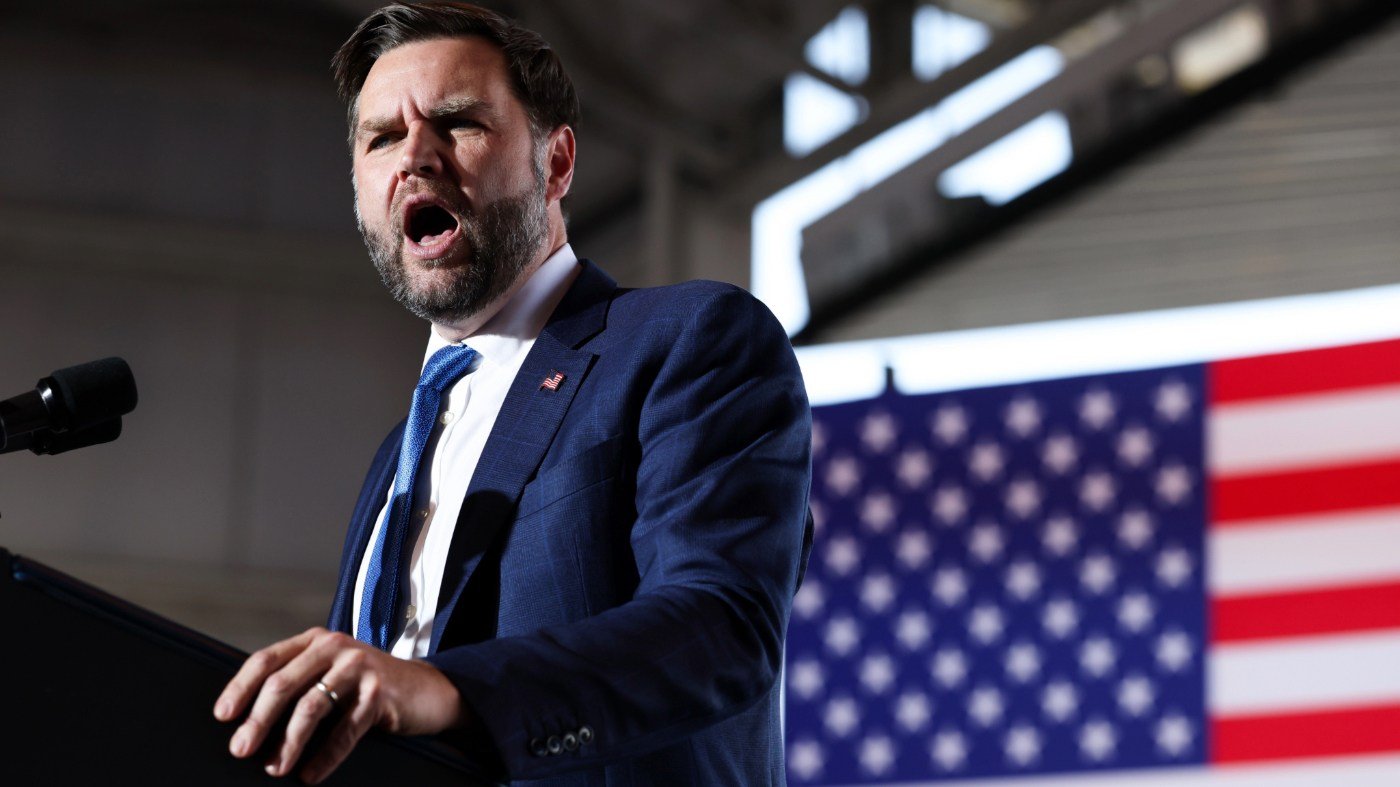
While Democrats are still surveying the field, their most likely Republican opponent has already begun staking out his lane to the White House. Vice President JD Vance has assumed an increasingly public role in recent weeks, becoming, as Politico described, a “voice of patience and even empathy.” Vance has acknowledged voters’ deep frustration with the administration, particularly over the cost of living and the war with Iran. He has asked voters for patience, telling them “not to throw the baby out with the bathwater” if they disagree with the administration on individual policies.
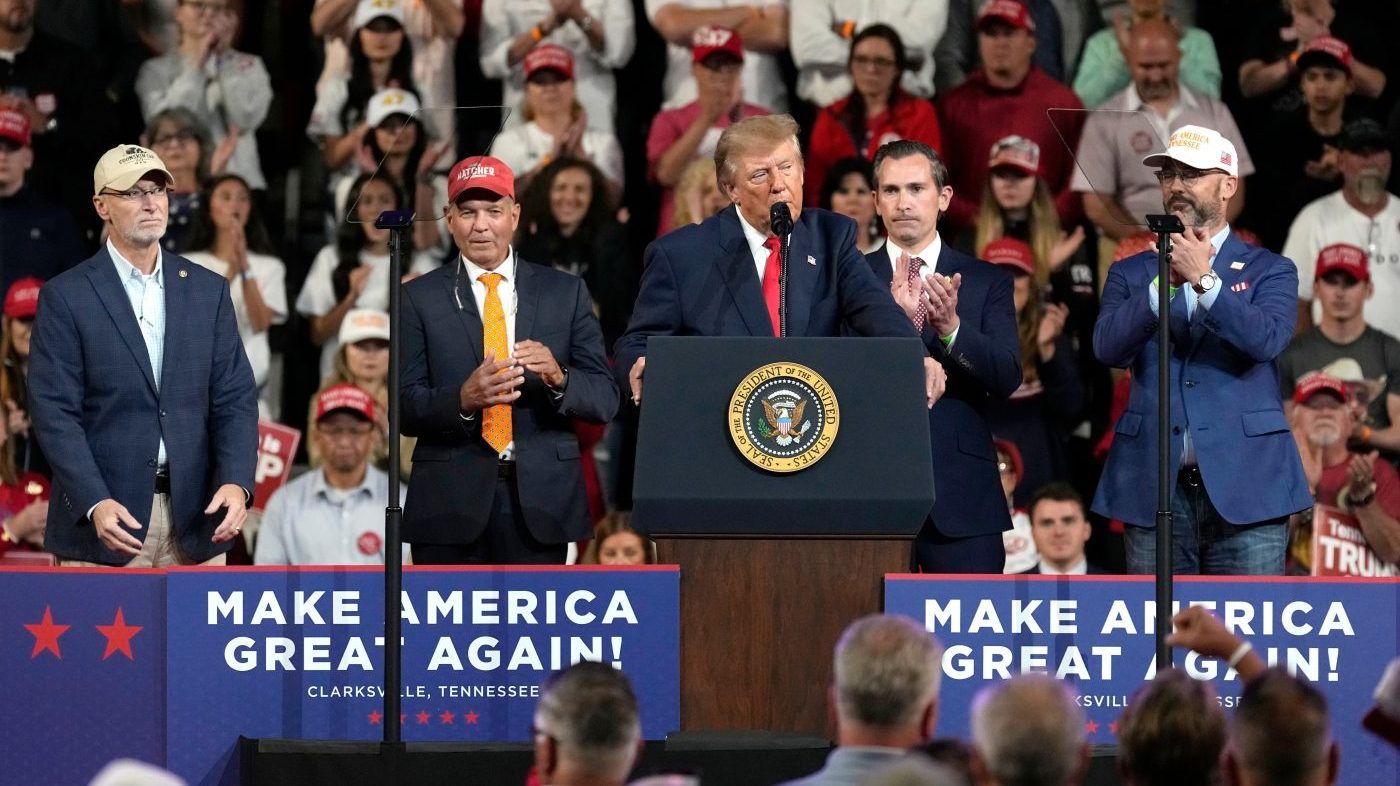
This is a marked contrast with President Trump, who has dismissed affordability concerns as a “hoax,” given himself an A+ “on everything,” and consistently paints a rosy picture of an economy that voters remain unhappy with. Vance’s approach is a deliberate attempt to differentiate himself while still remaining loyal to the administration’s core agenda.
At the same time, Vance has sought to deepen the Republicans’ populist turn while energizing his own political base. He has appealed to “America First” voters with attacks on “globalized liberalism,” “American elites,” and the idea that free markets necessarily benefit Americans — an approach the New York Times called “New Right economics.” On foreign policy, the issue on which Vance most clearly diverges from Trump, he has given voice to the Republicans’ increasingly isolationist, Israel-skeptical flank, including leading the push for last summer’s ceasefire with Iran.
To be sure, the vice president’s unofficial role is to sell the administration’s agenda. But Trump has always been his own chief salesman. Vance is plainly attempting something more: making his own mark on the Republican Party ahead of 2028 and beyond. However, the question remains: will it work?
Vice presidents often run as a continuation of the incumbent. Yet Trump is deeply unpopular, with just a 38 percent approval rating, and Vance is unlikely to replicate Trump’s charisma or personal bond with the Republican base, though that could change if he gets Trump’s endorsement. Much as Harris has among Democrats, Vance has long led early 2028 polling on the Republican side, benefiting from his close association with Trump and support among MAGA voters. His average lead in 2028 nomination polls is roughly 16 points, according to RealClearPolitics. The base’s enthusiasm was evident at last month’s Republican midterm convention, where Vance drew thunderous applause and chants of “48” — a reference to his becoming the 48th president.
Unlike the Democrats’ field, however, the Republican field is currently quite narrow. Aside from Secretary of State Marco Rubio, virtually no other prospective candidate is viewed as a serious contender. Florida Gov. Ron DeSantis and Donald Trump Jr. are the only other candidates who regularly top 5 percent in polls — Vance and Rubio are in a tier of their own. But Vance’s 2028 prospects are inextricably linked to the Republican Party’s midterm performance, and Democrats currently lead the generic ballot by 8 points. Recent polls in key Senate races in Texas, Alaska, New Hampshire, Ohio, and Michigan show Democrats ahead, while even deep-red Iowa and Kansas are “neck and neck.”
Moreover, Emerson’s August survey suggested that independents are not yet sold on Vance. In hypothetical matchups against five leading Democrats, Rubio consistently outperformed the vice president. The contrast was especially notable against Harris and California Gov. Gavin Newsom. Vance trailed both, but Rubio led Harris by 5 points and was virtually tied with Newsom. Additionally, Trump assembled an impressive coalition in 2024, particularly among Hispanic voters, but that support has eroded. Recent NBC polling put his approval among Hispanics at just 27 percent. It is difficult to see Vance improving substantially with these voters while he adheres to the party line on immigration and defends ICE overreach, including calling the ICE-involved shooting of Renee Good a “tragedy of her own making.”
To Vance’s credit, his strategy is politically astute. As Trump’s natural heir, he likely sees an opportunity to steer Republicans toward his own brand of populism, while a more sympathetic posture could help him compete for independents. He is also shrewdly aware that whoever Trump endorses will almost certainly win the party’s nomination, as Trump remains popular with Republicans in spite of his low poll numbers with the overall electorate. Whether Vance succeeds remains to be seen. But by presenting a softer face of the administration while trying to steer the party in his preferred direction, he is revealing both his political instincts and the contours of a 2028 campaign that could reshape the GOP.