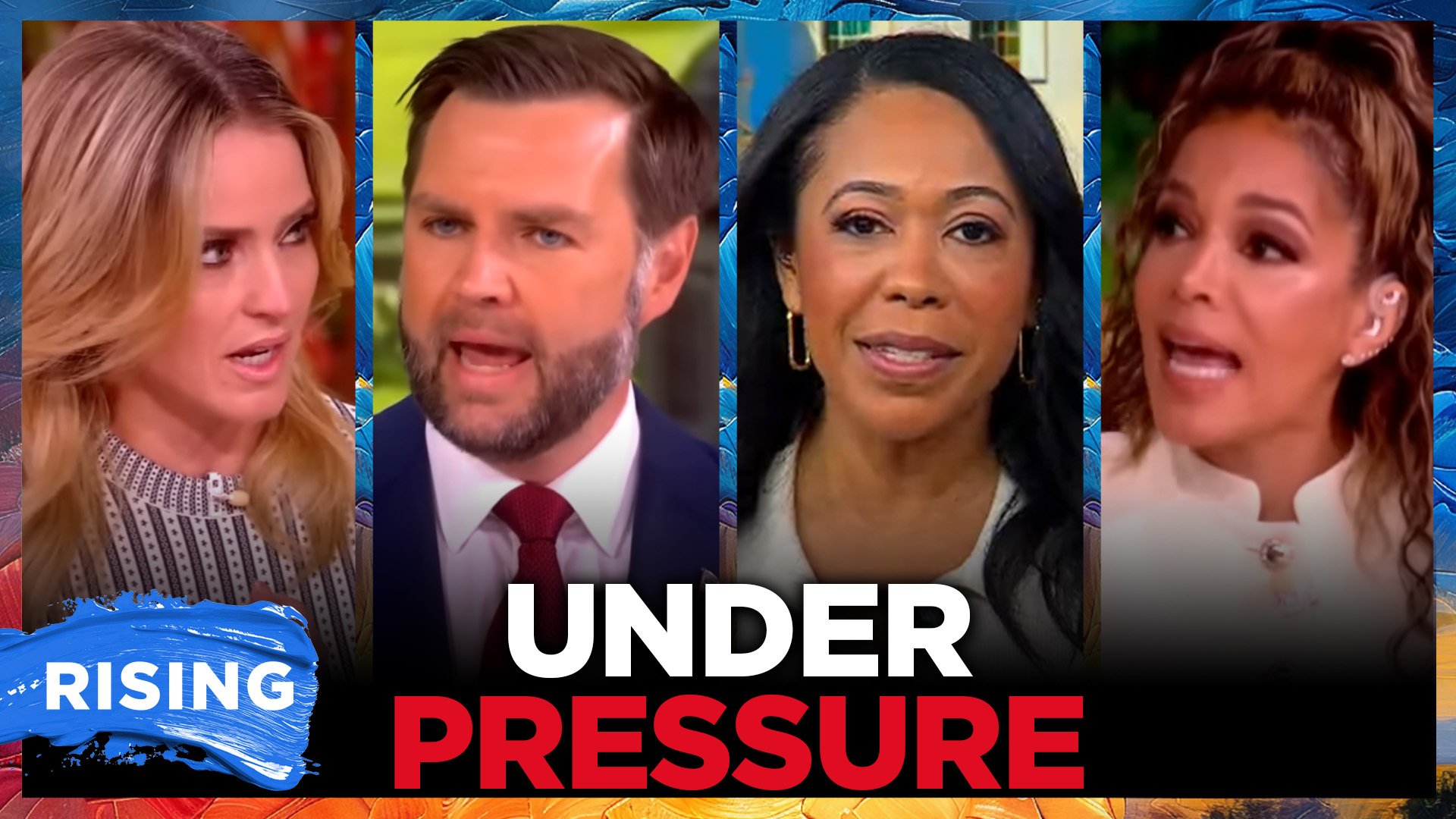
Vice President JD Vance took his book tour to The View this week, offering voters an early glimpse of how the MAGA heir apparent handles the kind of cross-examination that comes with a potential 2028 presidential run. The conversation was wide-ranging—covering affordability, race, his past comments comparing Donald Trump to Hitler—but it was immigration that proved most revealing.
Co-host Sara Haines pressed Vance directly: “You do speak about immigration at length in this book, and I believe as a Christian I can tell my kid why it’s important to have borders. It’s much harder to explain when I see someone dragged out of the house or wrongly taken and weren’t a violent criminal.”
Ana Navarro followed up, citing a passage in Vance’s book where he discusses the moral tradeoffs of strict immigration policy without dehumanizing people. Vance responded: “We do have to strike a balance between enforcing our laws—we don’t want to dehumanize people, law enforcement is always inherently not a very pretty process, especially when you’re dealing sometimes with violent people, people that are resisting arrest.”
On its surface, the answer was standard political fare. Most Americans support border enforcement. But the hosts were asking about the administration’s actions, not the principle. Polls show even supporters of stronger enforcement have qualms about tactics like workplace raids and detention conditions, particularly after the fatal shootings of Alex Pretti and Renee Good in Minneapolis. A recent study found more than 70 percent of ICE detainees have no criminal convictions.
The human toll is mounting. Some 50 people have died in ICE custody since the start of 2025—the highest number in over two decades. Reports from detention facilities cite inadequate medical care, lack of clean water, and troubling conditions for vulnerable detainees, including pregnant women. These realities make it harder for the administration to dismiss criticism as mere opposition to border security. The debate is increasingly about how enforcement is carried out.
The timing of Vance’s appearance is notable. His boss has spent years attacking ABC, which paid $15 million to settle a defamation lawsuit brought by Trump in late 2024. Trump has since feuded with ABC personalities and demanded consequences for the network. Yet Vance sat across from the very people Trump detests, making his case to skeptical viewers. That doesn’t signal a break with the president, but it suggests Vance understands a 2028 candidate can’t live inside friendly media bubbles.
Vance is a skilled communicator—he proved that in his debate against Tim Walz. But if Tuesday was a preview of a future campaign, it also showed the challenges ahead. It’s one thing to defend a policy. It’s another to defend its real-world consequences when facts, statistics, and human stories push back. For a vice president widely seen as a future contender, this wasn’t just a book stop. It was a test run. And if 2028 is the goal, he’ll need more thorough answers for the uncomfortable conversations to come.
For more on the administration’s foreign policy challenges, see Trump Jokes Vance Will Take Blame if Iran Deal Collapses and Trump Reprimands Netanyahu Over Hezbollah Strikes as Iran Deal Nears.