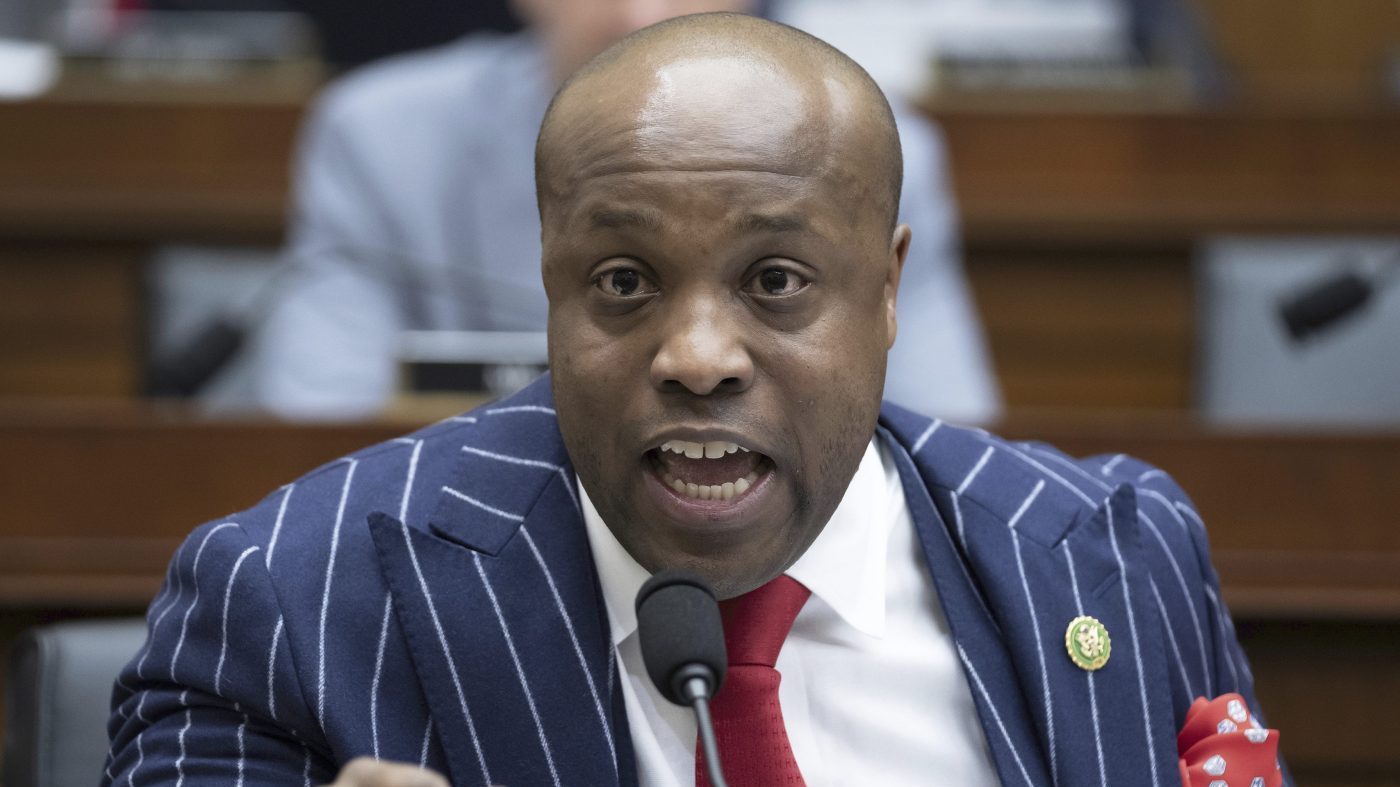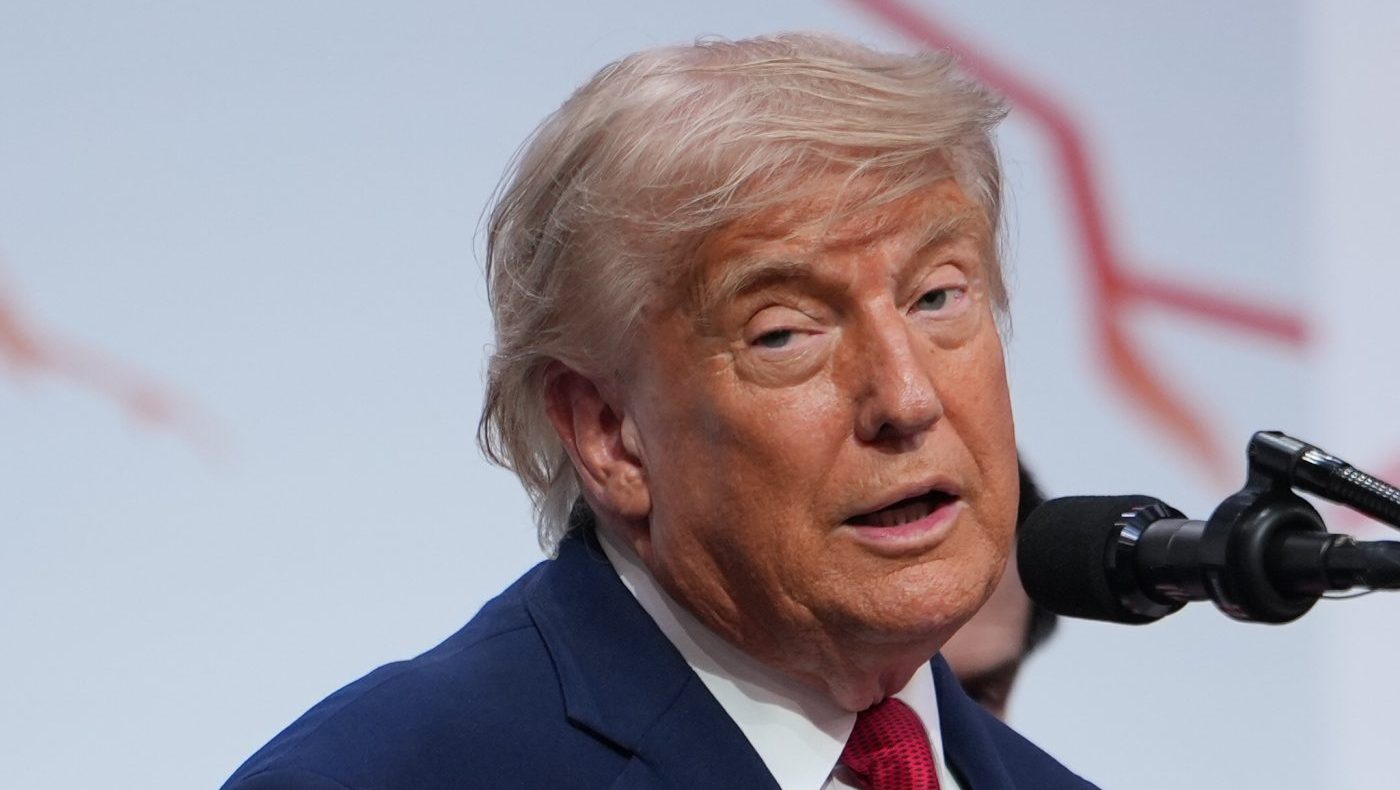
President Trump on Wednesday lightheartedly suggested that Vice President JD Vance would shoulder the blame if the preliminary agreement with Iran unravels. Speaking with Fox News's Peter Doocy, Trump quipped, “I like that idea, sure,” when asked whether his vice president would be held responsible for any failure.
“If it works out, I’m going to take the credit. If it doesn’t work out, I’m blaming JD. You better be careful, JD. He’s going to turn his plane around and get the hell out of here,” Trump joked, deflecting potential fallout onto his second-in-command.
The president also hedged on attending Friday’s signing of the memorandum of understanding (MOU), saying he might show up but questioned whether it was “the kind of document I should be signing.” His remarks came during a G7 press conference in Évian-les-Bains, France, where he sought to temper expectations about the durability of the accord.
Trump repeatedly warned that the U.S. could revert to military action if Iran fails to uphold its end of the bargain. “If they don’t honor the agreement, or some things aren’t even mentioned in the agreement… we’ll probably go back to bombing them until they honor it,” he told reporters, adding “it’s amazing what bombs can do.” Earlier in the day, he had threatened to bomb Iran “if they don’t behave.”
According to copies of the 14-point MOU obtained by CNN and Bloomberg, the deal grants Iran access to a $300 billion development fund in exchange for commitments to scale back its nuclear program. Tehran reiterates its longstanding pledge not to pursue a nuclear weapon but stops short of specific promises to halt enrichment or surrender weapons-grade uranium stockpiles.
Trump has tried to distance himself from the $300 billion fund after hawkish allies criticized the provision. While insisting the U.S. has no plans to invest directly in Iran, he has not ruled out other entities doing so. The agreement is expected to be publicly released this week, though Vance cited diplomatic hurdles delaying the full text.
The G7 has endorsed the Trump-brokered ceasefire, eyeing a reopening of the Strait of Hormuz. But the president faces backlash from some allies over the deal’s terms, even as he threatens to resume bombing. Meanwhile, Trump invoked a Cold-War era law to fast-track munitions after the Iran war depleted stocks, signaling continued military readiness.
As the administration navigates this fragile diplomacy, the president’s offhand blame-shifting toward Vance underscores the political risks of a deal that could either bolster his legacy or become a liability.