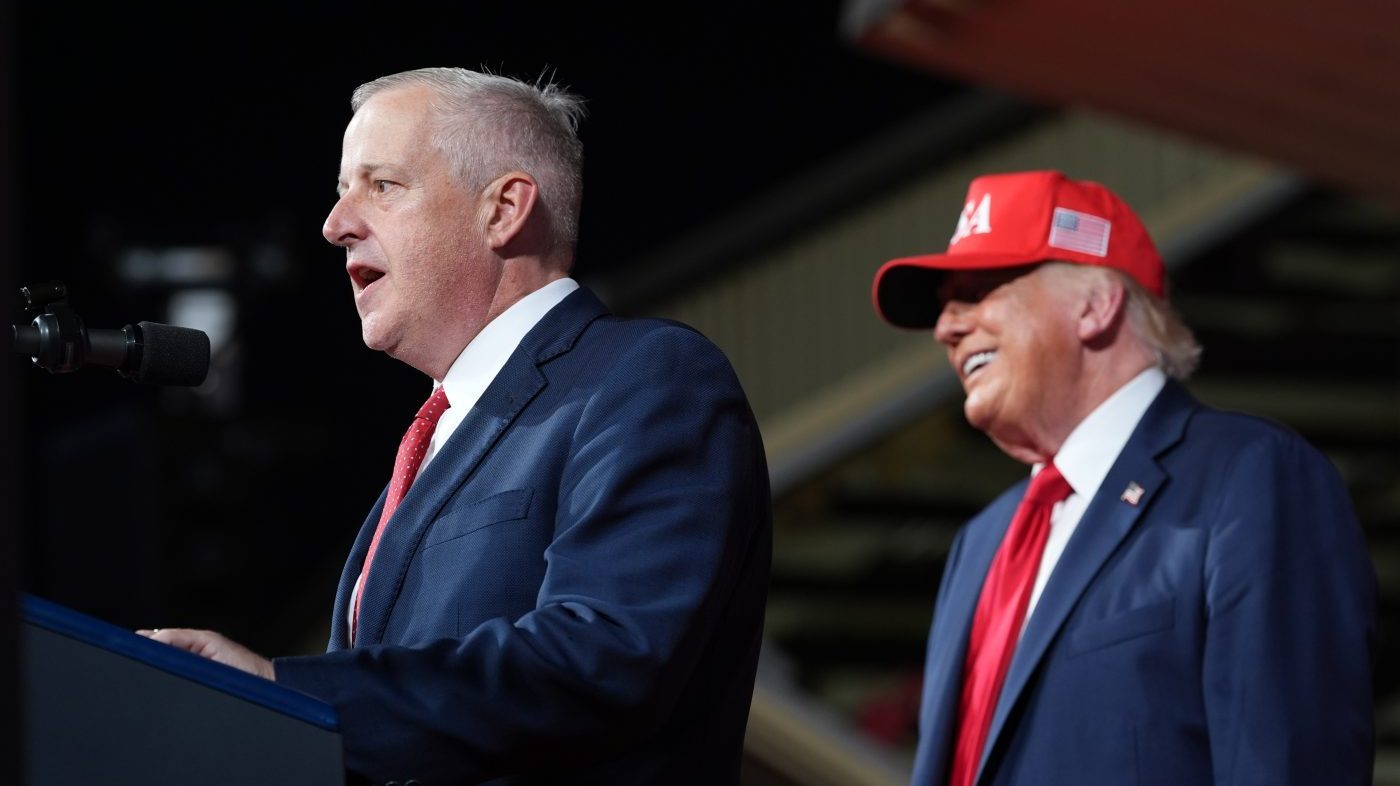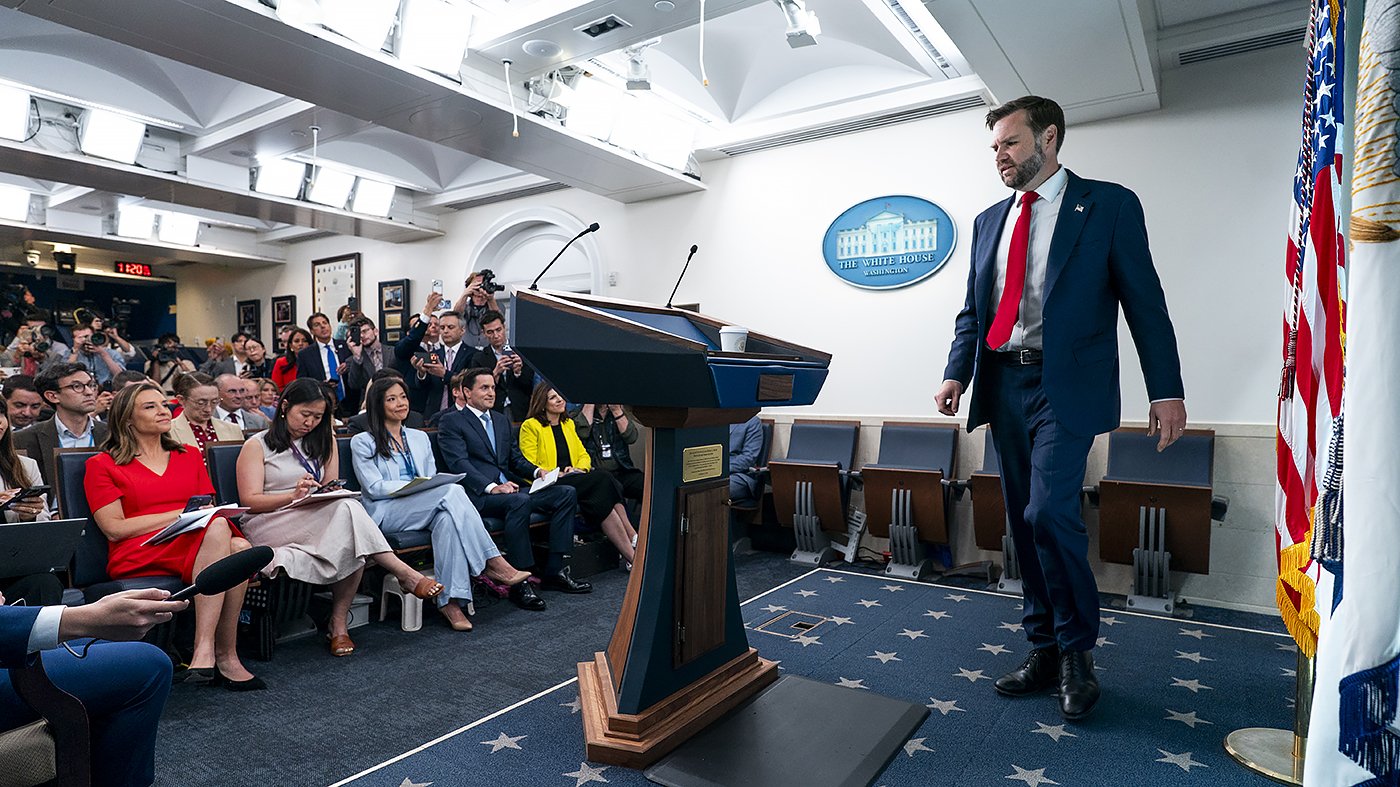
Vice President Vance stepped into the White House briefing room Thursday to defend the interim agreement between the United States and Iran, facing a skeptical Republican audience. The task proved challenging as several GOP lawmakers and prominent conservative voices lined up to criticize the memorandum of understanding (MOU), accusing the administration of being too lenient on Tehran and failing to adequately protect American and Israeli interests.
Vance argued that the most generous provisions of the MOU are contingent on Iranian compliance and would only take effect if Tehran alters its behavior. “The idea that they get benefits before they change their behavior is fundamentally a talking point that is issued by people who want the conflict to continue indefinitely,” he said, directly challenging critics who claim the deal rewards Iran prematurely.
The vice president’s remarks highlighted a growing fracture within the GOP between the “America First” faction, which leans toward isolationism, and more hawkish, neoconservative members alarmed by the agreement. Vance, a former Marine who served in Iraq in a noncombat role two decades ago, is closely aligned with the America First camp and has been reported as one of the most skeptical voices in Trump’s inner circle regarding military action against Iran.
Despite efforts by both Vance and President Trump—who held his own press conference the previous day after a G-7 summit in France—criticism continues to mount. Senator Roger Wicker (R-MS), chair of the Senate Armed Services Committee, issued a scathing assessment Thursday, claiming the MOU “negotiates away the victories” achieved by U.S. forces in Iran. Wicker also took aim at a proposed $300 billion reconstruction fund for Iran, which he acknowledged would not be funded by American taxpayers, calling it a “payoff” that dwarfs the 2015 Obama-era deal.
Wicker further objected to potential sanctions relief and the release of frozen Iranian assets, and condemned the inclusion of the Lebanon conflict in the peace framework, arguing it forces Israel to “stand down against Hezbollah.” This reflects a deepening rift between the U.S. and Israel, particularly between Trump and Israeli Prime Minister Benjamin Netanyahu. Trump recently criticized Netanyahu for actions he deemed disproportionate, saying during his Wednesday press conference that the Israeli leader gets “excited” and should “do a little softer touch” in Lebanon.
Vance amplified those criticisms rather than defusing them, warning Israeli officials against attacking Trump. “Donald J. Trump is the only head of state in the entire world who is sympathetic to the nation of Israel at this moment in time,” Vance said. “If I was in the cabinet of the Israeli government, I might not be attacking the only powerful ally that I have anywhere left in the entire world.” In a separate podcast interview, Vance singled out far-right Israeli ministers Itamar Ben-Gvir and Bezalel Smotrich, questioning their strategy: “You’re a country of 9 million people. You can’t just kill your way out of solving every single national security problem that you have.”
The blunt language, unusual for a Republican administration, drew praise from some on the left but also sparked concern among those who advocate unwavering U.S. support for Israel. With midterm elections less than five months away, the political fallout remains uncertain. The deal has exposed conservative divisions and raised questions about the original decision to launch the war alongside Netanyahu. However, the conflict’s unpopularity, driven by rising gas prices and inflation, may make a swift exit electorally prudent for Trump.
During a Medal of Honor ceremony Thursday, Trump highlighted stock market gains and falling oil prices, noting the Nasdaq and S&P 500 rallied sharply as markets welcomed the reopening of the Strait of Hormuz. Vance asserted that 12.5 million barrels of oil had transited the strait “last night,” signaling immediate economic benefits from the deal.