The Nvidia saga took another bizarre turn this week as Cenk Uygur, the firebrand host of "The Young Turks," floated a theory that Israel was behind CEO Jensen Huang's sudden resignation and subsequent reinstatement. The claim, which has ricocheted across social media, has been met with widespread derision from political commentators who see it as a classic case of scapegoating the Jewish state for a scandal rooted in far more mundane—and troubling—circumstances.
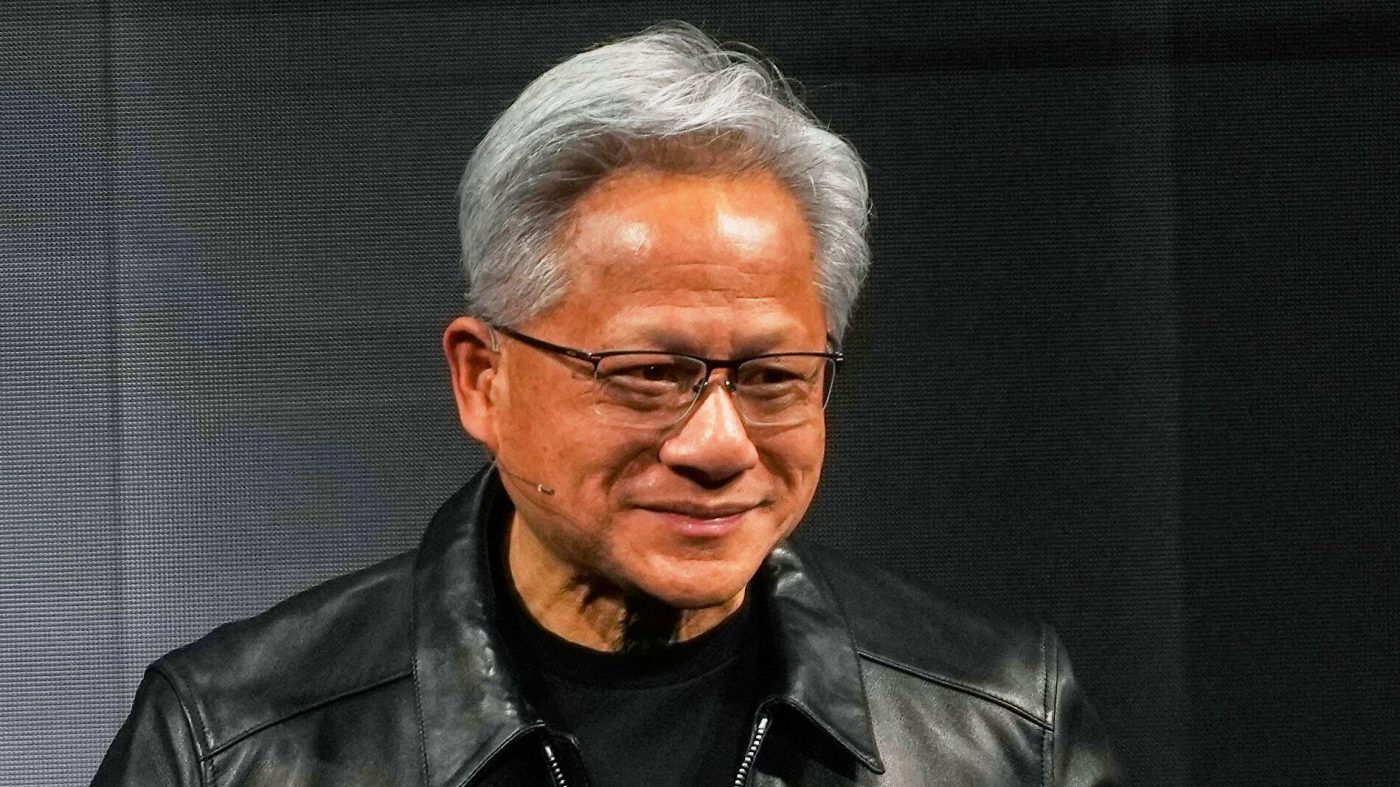
Huang's return to the helm of the chipmaking giant came after President Trump personally intervened, vouching for him to the board. The drama began when news broke of Huang's affair with a woman identified as Alice Huang, who had ties to Chinese intelligence. Federal officials have stressed that there is no evidence she was actively spying or that Huang compromised national security, though skeptics remain unconvinced.
Uygur's Conspiracy Theory
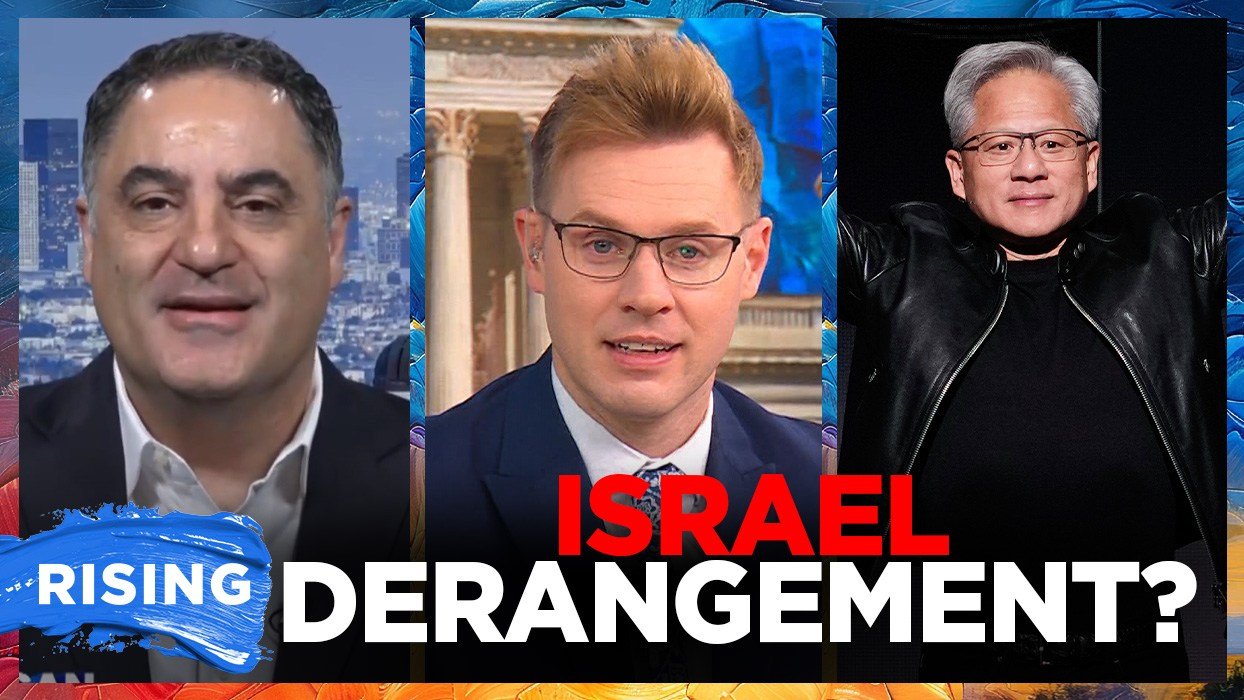
In a monologue that has since gone viral, Uygur suggested that Israel was the hidden hand behind both Huang's ouster and his restoration. "Israel did it! They took Huang out! Or they put him back in? Either way, it's Israel," he declared, offering no evidence for the claim. The outburst has drawn sharp rebukes from across the political spectrum, with many accusing Uygur of peddling a derangement syndrome that reflexively blames Israel for any global event.
Robby Soave, a senior editor at Reason Magazine and co-host of The Hill's commentary show "Rising," dismissed the theory outright in a recent column, writing, "I don't believe that what happened to Huang was orchestrated by Israel, on either end. I think it was orchestrated by Huang being very careless." Soave added that if any foreign government is at fault, it is China, not Israel.
The Evidence So Far
The Wall Street Journal reported that Alice Huang had connections to Chinese intelligence, but officials conceded there was "no smoking-gun intelligence proving she had been actively tasked with collecting information on Jensen Huang or passing along national-security secrets." That nuance has been lost in the heated political debate, with some Republicans demanding a full congressional inquiry and Democrats vowing to investigate once they regain power in January.
Soave noted that in China's one-party autocratic system, business leaders routinely maintain contacts with the government, making such ties less damning than they might appear. "That doesn't make Jensen Huang's behavior less reckless, but it does undermine the notion that this was some well-formulated plan and that state secrets were shared," he wrote.
Political Fallout
The episode has become a flashpoint in Washington, where bipartisan scrutiny is intensifying over Trump's role in Huang's reinstatement. Secretary of State Marco Rubio and Treasury Secretary Scott Bessent reportedly warned Trump that Huang might be compromised, raising questions about whether the president overruled them or simply found the evidence unconvincing. Democrats are seeking a full inquiry into the matter.
Markets have responded positively to Huang's return, with Nvidia shares surging on the news. Employees cheered his comeback, but the controversy has reignited debates over China chip export limits and the potential national security risks of doing business with Beijing-linked individuals.
As the story continues to unfold, Soave remains skeptical that any Israeli plot will surface. "I am willing to bet we will not discover intelligence that this was Israel's doing," he wrote. "Sorry if that breaks anybody's brains!"