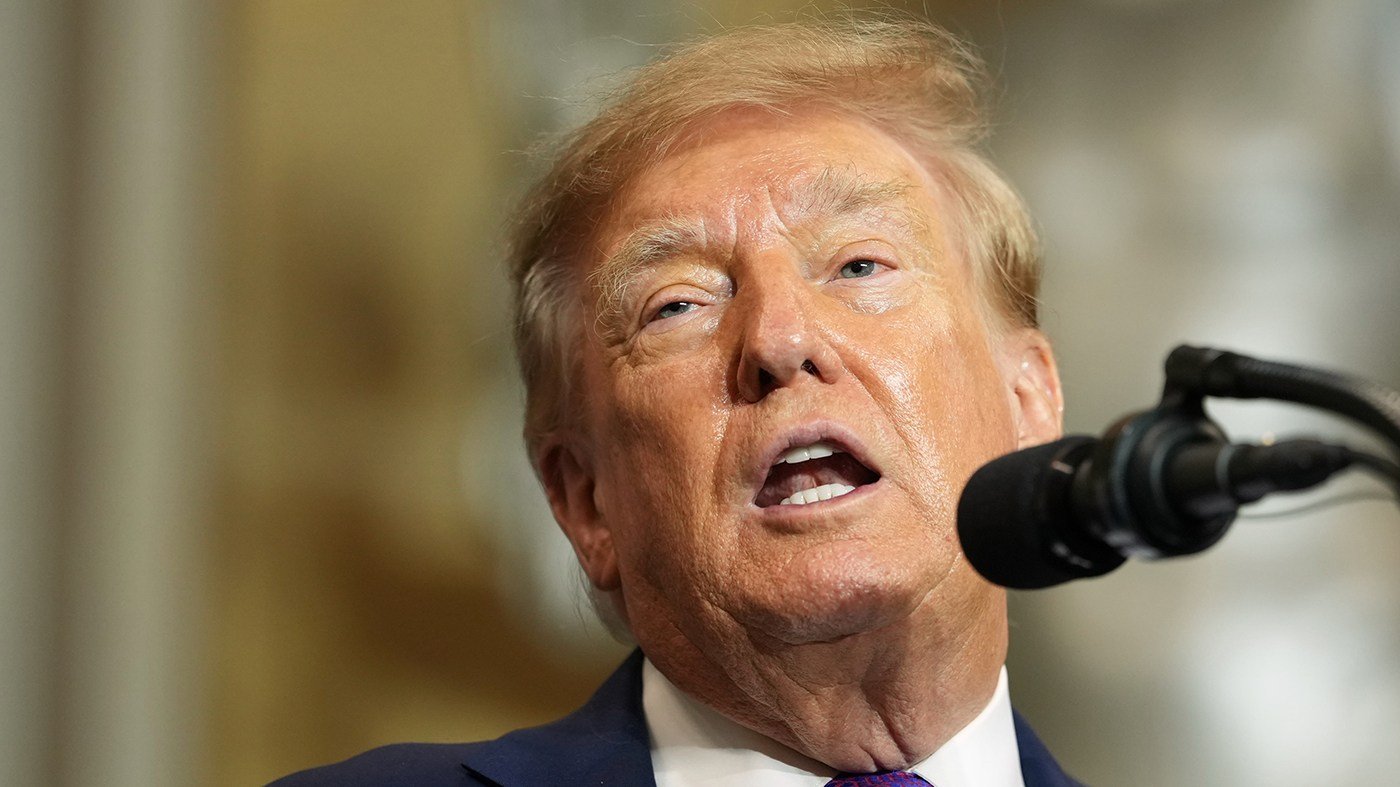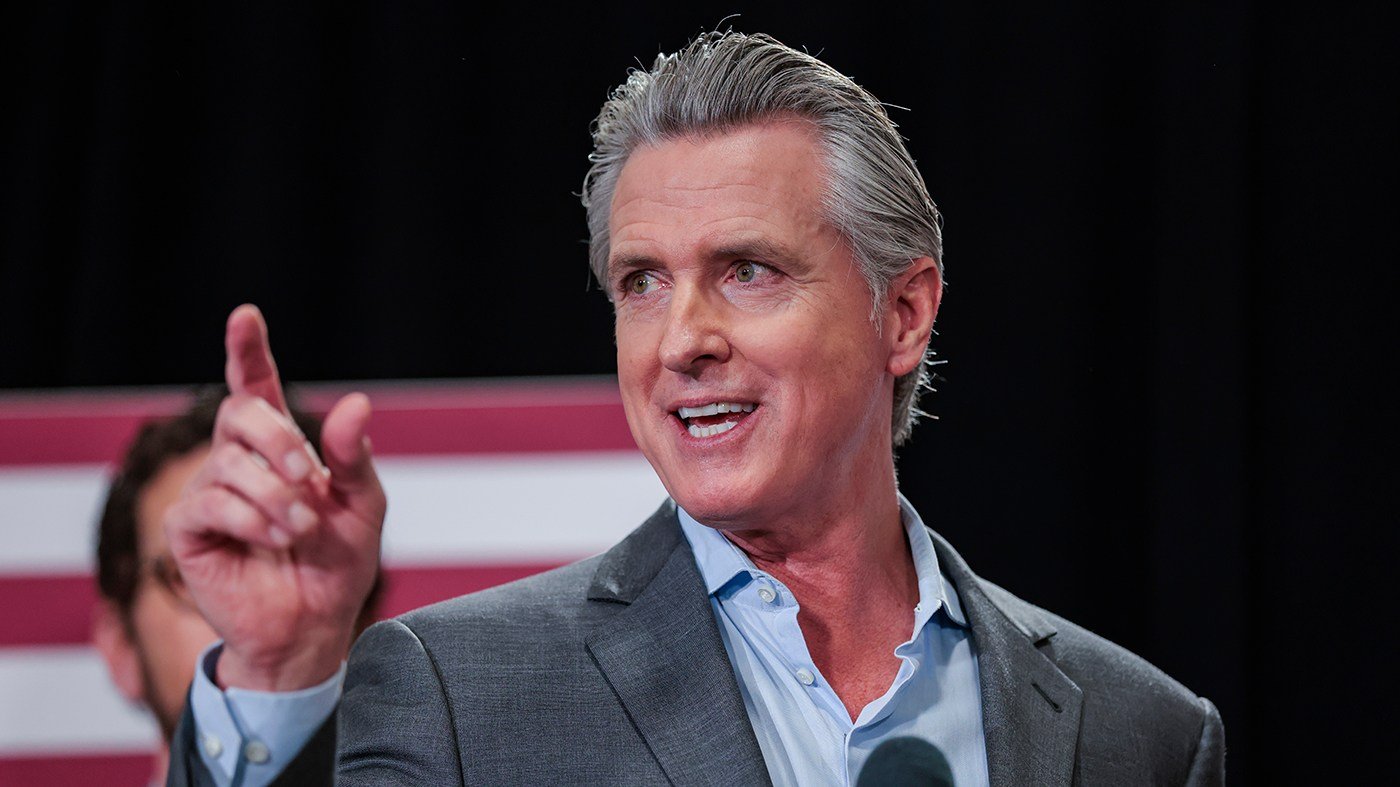
Jensen Huang's abrupt return to Nvidia has injected fresh urgency into a bipartisan congressional drive to attach new restrictions on advanced chip sales to China to this year's defense authorization bill. Lawmakers in both chambers had already been pressing for a package of export control measures following revelations about Huang's personal ties to an alleged Chinese intelligence asset, but his reinstatement—backed by President Trump—has turned up the heat.
Senate Minority Leader Chuck Schumer (D-N.Y.) took to X on Tuesday to demand action: "We urgently need to pass the bipartisan export control bills to start to cut off the flow of AI chips and manufacturing equipment to China once and for all." His comments reflect a growing sentiment that Beijing has been adept at circumventing existing Commerce Department rules to obtain Nvidia's most advanced artificial intelligence processors.
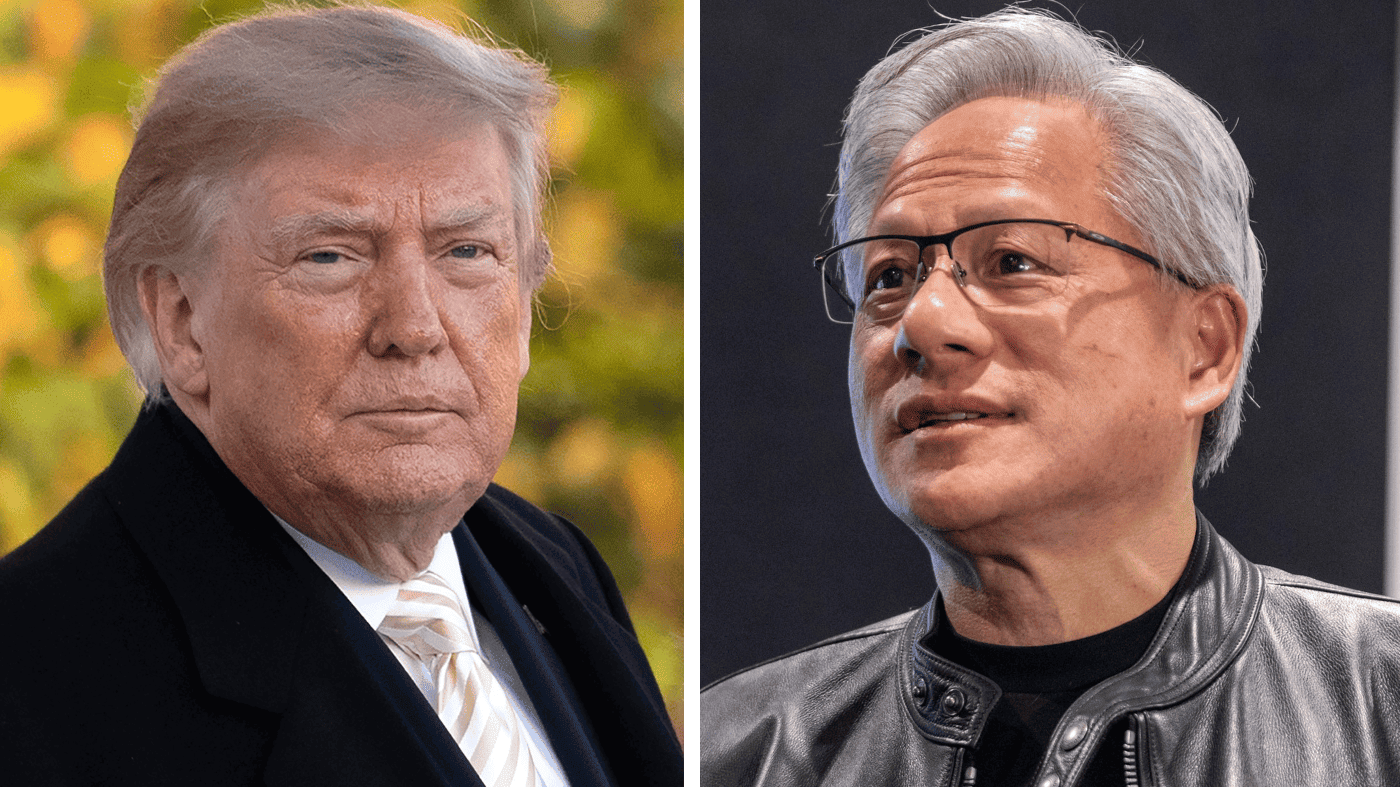
Huang had resigned from Nvidia earlier this month amid a series of affair scandals, one involving a woman U.S. officials suspected of passing information to China. Despite Nvidia's assurances to investors last week that it had no plans to bring him back, the board reversed course on Monday, and Trump claimed credit for persuading them. The chaotic saga has only amplified calls for stricter oversight, with Congress now facing a critical test on how to handle the Nvidia probe.
The three legislative measures under consideration would empower Congress to block exports of advanced AI chips to foreign adversaries, prohibit the sale of essential chipmaking tools to countries of concern, and mandate that restricted chips include a "location verification mechanism" to prevent diversion. While these provisions were already included in the Senate's version of the National Defense Authorization Act (NDAA), they faced an uncertain path amid potential White House resistance. The scandal, however, has breathed new life into the effort.
Sen. Tom Cotton (R-Ark.) signaled unwavering support on Monday, posting on X: "Congress has much to investigate and we will pass overwhelmingly bipartisan chip export-control bills, including my Chip Security Act, one way or the other." Huang is scheduled to testify before the House Foreign Affairs Committee, the House Intelligence Committee, and the House Select Committee on the Chinese Communist Party on Dec. 1, followed by an appearance before the Senate Banking Committee on Dec. 3.
House Foreign Affairs Committee Chair Brian Mast (R-Fla.), who introduced the AI OVERWATCH Act last year, expressed deep skepticism about Huang's intentions. "This has been an issue going with Jensen and I for a long time because he fundamentally does not disagree with selling these most advanced AI chips into China. He has been working to do so … I don't think he's on the right page in understanding the risks of selling these chips into China," Mast said.
Nvidia has long lobbied Washington to relax export limits, arguing that selling China its third- or fourth-best chips would keep Beijing dependent on American AI infrastructure. That approach saw some success last year when the Trump administration permitted sales of the H20 and H200 models. But critics contend that such sales still hand Beijing cutting-edge technology. Sen. Elizabeth Warren (D-Mass.), a lead sponsor of the AI OVERWATCH Act, warned that "Jensen Huang's return only increases the urgency of passing bipartisan export control bills into law and making sure NVIDIA does not lobby to kill that legislation and put our national security at risk."
Senate Majority Leader John Thune (R-S.D.) appears ready to advance the restrictions. "Through vigorous oversight and adoption of strong, bipartisan export-control measures, Congress will do its part to ensure our national security interests are being met," he said following Huang's reinstatement. House Speaker Mike Johnson (R-La.) has also indicated support for adding chip restrictions to the defense bill, and House Minority Leader Hakeem Jeffries (D-N.Y.) insisted the NDAA must "include ironclad export control legislation to prevent powerful AI technology from being exploited by the Chinese Communist Party and other adversaries."
With lawmakers returning from Thanksgiving recess, they have only three weeks to reconcile the House and Senate versions of the NDAA, alongside other pressing priorities like government funding due by Dec. 11 and a permitting reform bill. The clock is ticking, but the political momentum behind chip export controls has rarely been stronger. As one senior aide put it, "This is no longer a niche tech issue—it's a national security flashpoint."