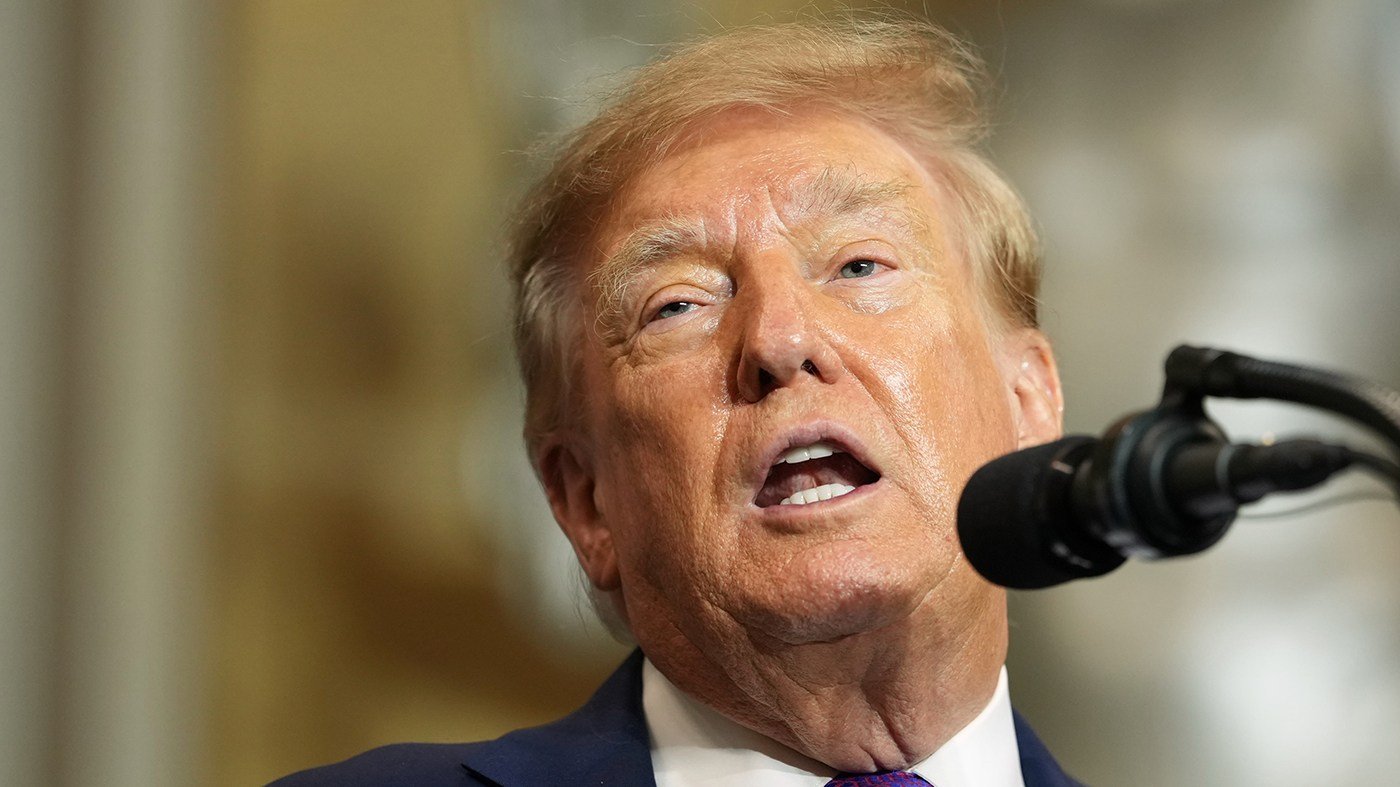
The White House is escalating its confrontation with the incoming Democratic majority in Congress, issuing a late-Friday executive order that aims to block lawmakers from obtaining information through federal contractors. The order directs companies holding government contracts to notify the White House and receive its approval before responding to any investigative request from Congress.
The move is a preemptive strike against the oversight agenda that Democrats are poised to pursue when they take control of the House in January. Contractors are ubiquitous across the federal government and have been involved in several of President Trump's high-profile projects, including the renovation of the Reflecting Pool and the construction of a new ballroom where the East Wing once stood.
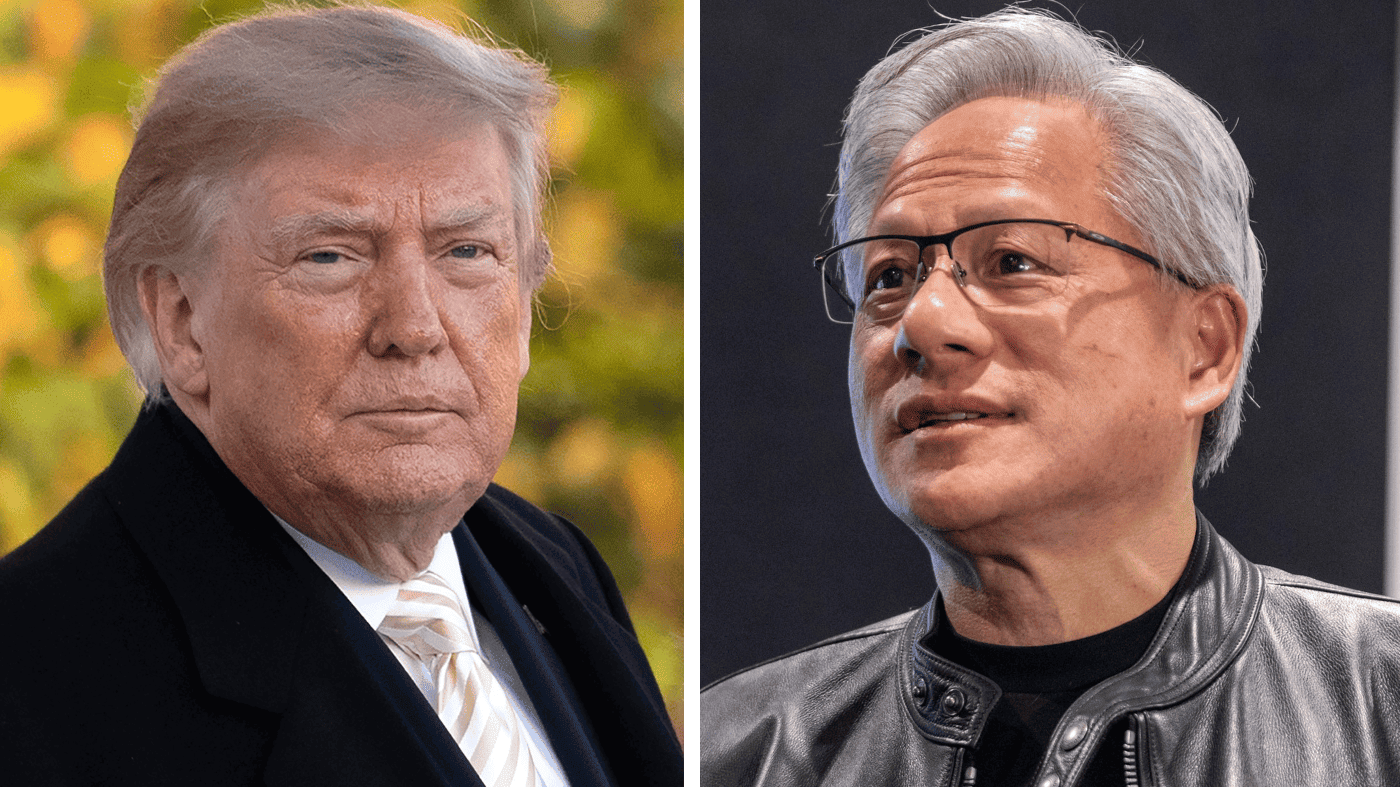
Democrats immediately condemned the order as an unlawful attempt to obstruct congressional oversight. Rep. Dan Goldman (D-N.Y.), a former federal prosecutor, called the order's premise “comical” but acknowledged that the threat to cancel contracts “will make any business pause.” In a post on X, he wrote that the level of obstruction anticipated by the White House is “almost unimaginable” and represents “an obvious violation of the most fundamental principles of separation of powers.” He urged judges to act swiftly.
White House counsel Will Scharf has already sent two letters to Democratic lawmakers signaling resistance. In one, he suggested that their investigations could be criminal in nature, accusing them of seeking to harass administration officials. In another, he asserted that the White House is not obligated to respond to Democratic inquiries and told them to restart their requests once they are formally in the majority.
Legal experts are skeptical of the order's foundation. Joyce Vance, a former U.S. attorney under the Obama administration, wrote on her blog that executive privilege is designed to protect internal deliberations, not commercial transactions. She described the order as “the full weight of economic blackmail,” noting that its title—“Protecting The Executive’s Privileges”—reveals its true purpose: shielding the president as Democrats gear up to investigate alleged corruption in his administration. Vance pointed to projects like the Reflecting Pool, the Kennedy Center, and the new ballroom as areas where contractors might have relevant information.
Susannah Sachsman Grooms, a former Democratic counsel on the House Oversight Committee who now leads the congressional investigations practice at Cooley, said the order places contractors in an impossible position. “It puts them in the middle of a complicated fight that isn’t really their fight,” she told The Hill. Contractors are often required to comply with congressional subpoenas as a condition of their contracts, she noted, but they also depend on the executive branch for future work. “Upsetting Congress is not an ideal scenario, and similarly upsetting the executive branch officials who give you your contracts is also not an ideal scenario.”
Democratic leaders on the House's investigative committees dismissed the order as a sign of guilt. Rep. Jamie Raskin (D-Md.), appearing on CNN, said the order is “totally unprecedented and lawless” and amounts to a “royal edict.” He insisted that Congress has the constitutional authority to conduct oversight and will do so despite the order. Rep. Robert Garcia (D-Calif.), the top Democrat on the House Oversight Committee, called it a “blatant attack” on oversight powers. “What is the White House trying to hide?” he asked in a statement, vowing to expose “rampant waste, fraud, and corruption.”
Sachsman Grooms said the situation could mirror the legal battle over Trump's tax records, which pitted the accounting firm Mazars USA against both the White House and Congress. After a lengthy fight, the House obtained the records in 2022. She suggested that contractors may face similar pressure, though the outcome of any legal challenge is uncertain.
The order is likely to face court challenges, with experts predicting a constitutional clash over the separation of powers. For now, contractors are left to navigate a treacherous landscape, uncertain whether to comply with Congress or risk losing their federal business. As the political standoff intensifies, the practical impact of the order may be measured not in legal victories, but in the chilling effect it has on companies deciding whether to cooperate with oversight.