The Trump administration has formally proposed eliminating the 2001 Roadless Rule, a move that would strip federal protections from roughly 44 million acres of undeveloped national forest land. The U.S. Forest Service filed the proposal on Tuesday, arguing the rule has hampered forest management and contributed to worsening wildfire conditions.
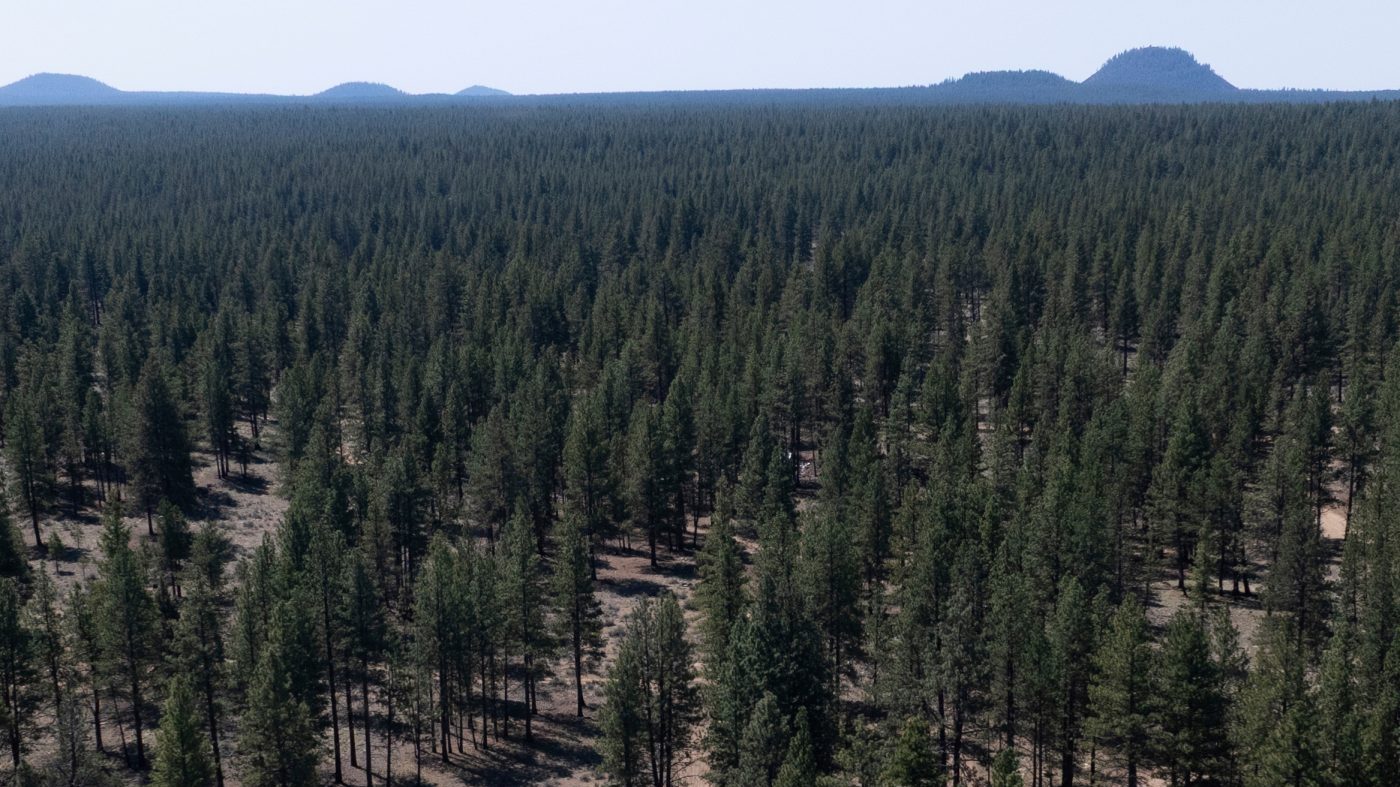
The Roadless Rule, enacted during the Clinton administration, prohibits road construction, logging, mining, and oil and gas drilling in designated roadless areas of national forests. These zones cover about 44 million acres of the 193-million-acre National Forest System, according to officials.

Agriculture Secretary Brooke Rollins defended the proposal in a statement, saying the rule is an outdated restriction that has prevented local land managers from taking necessary actions to improve forest health. "For too long, outdated restrictions have kept tens of millions of forested acres off-limits to the very treatments that improve forest health and reduce wildfire risk to our communities," Rollins said. She added that the proposal would "restore authority to local forest managers who know the land best," removing barriers to "the work the land demands."
Environmental advocates immediately condemned the move, warning that it would open pristine landscapes to destructive industrial activity. Kristin Gendzier, a senior attorney at the Southern Environmental Law Center, said the plan "will clear the way for reckless projects that can permanently scar these spectacular roadless landscapes and do long-lasting harm to countless communities that depend on our national forests for tourism, recreation, and clean drinking water."
The proposal marks the latest escalation in the administration's push to expand domestic energy production and reduce regulatory burdens on industry. It also aligns with broader efforts to roll back environmental protections across federal lands, a policy direction that has drawn intense scrutiny from conservation groups and Democratic lawmakers.
Supporters of the rule change argue that local forest managers are better positioned to assess conditions and respond to threats like insect infestations and severe wildfires. They contend that allowing road construction and logging in these areas could reduce fuel loads and create firebreaks, potentially protecting nearby communities.
Critics, however, say the science does not support those claims, noting that roadless areas are often the most resilient to climate change and provide critical habitat for wildlife. They also point out that the rule has broad public support, with millions of Americans submitting comments in favor of it during previous reviews.
The Forest Service will now open a public comment period before finalizing any changes. Legal challenges are expected, with environmental groups already signaling they will fight the proposal in court. This battle over roadless areas is part of a larger conflict over the future of public lands, a theme that has also played out in debates over executive authority and in the 2026 gubernatorial races where land-use policies are becoming a key issue.
If finalized, the rescission would affect forests across the West, including in Alaska, California, Colorado, Idaho, Montana, Oregon, Utah, Washington, and Wyoming. The move could also have significant implications for the outdoor recreation economy, which relies heavily on the pristine character of these landscapes.