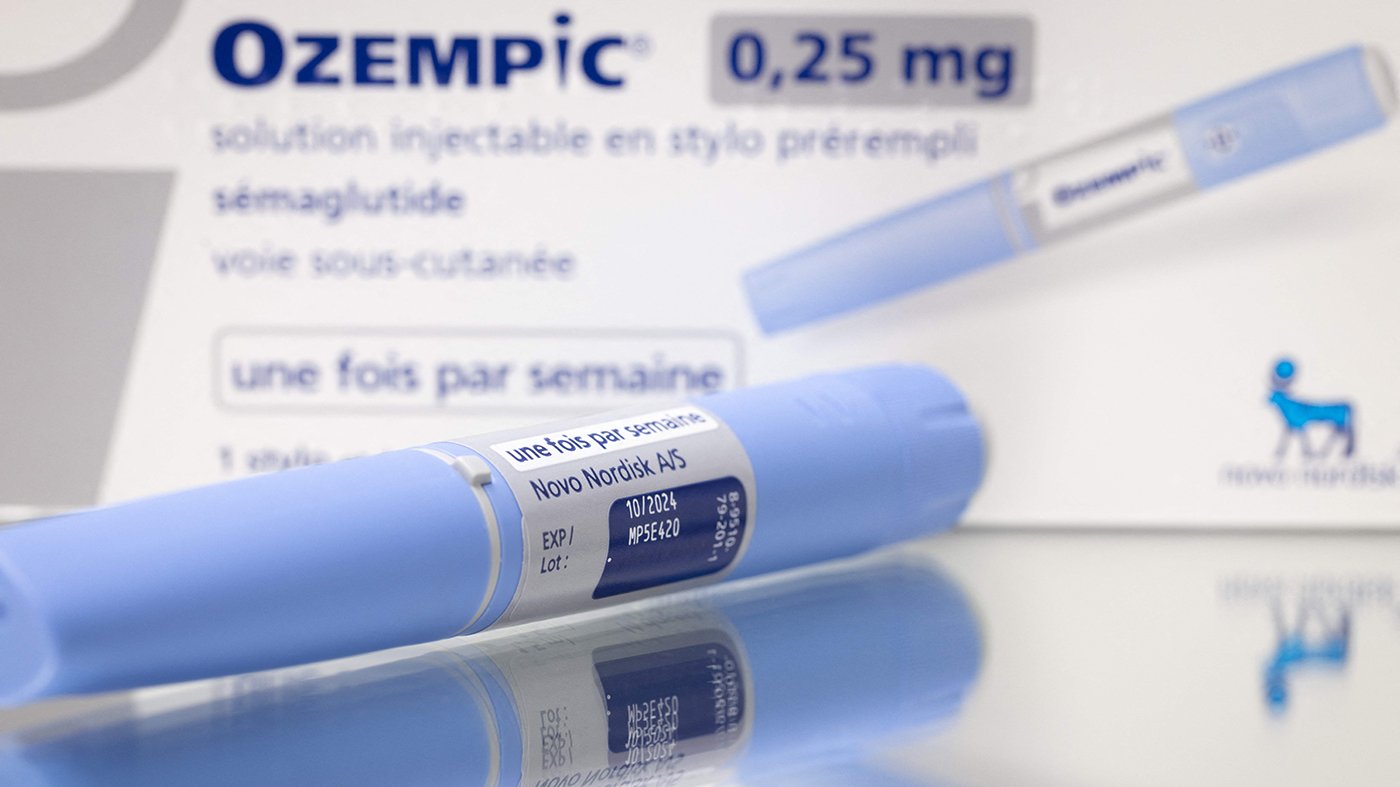
A novel study from the University of Pennsylvania has identified a series of lesser-documented potential side effects associated with GLP-1 receptor agonist drugs, widely prescribed for weight loss and type 2 diabetes. The research, published in the journal Nature, employed artificial intelligence to analyze more than five years of discussions across approximately 400,000 posts from nearly 70,000 Reddit users.
While gastrointestinal distress like nausea and diarrhea are well-established adverse effects, the data-mining approach revealed user discussions around two broader categories: reproductive symptoms and temperature-related complaints. These findings add a new dimension to the safety profile of a drug class experiencing explosive demand and intense regulatory scrutiny.

Reproductive Symptoms Emerge as Notable Signal
The study found that reproductive issues, specifically menstrual changes, were a recurring theme. Users reported experiences including intermenstrual bleeding, unusually heavy bleeding, and irregular cycles. According to Neil Sehgal, the study's lead author, nearly 4% of the overall user sample reported these “menstrual irregularities.”
Sehgal emphasized that this figure would likely be significantly higher in an exclusively female cohort, calling it “a signal worth investigating.” The research methodology, which parsed vast amounts of unstructured social media data, offers a real-world complement to traditional clinical trials, which may not always capture longer-term or nuanced patient experiences.
Temperature Complaints and Widespread GI Effects
Beyond reproductive health, the analysis flagged numerous user reports of dysregulation in body temperature. These included persistent chills, feeling abnormally cold, experiencing hot flashes, and fever-like symptoms without a diagnosed infection.
The study confirmed the prevalence of known gastrointestinal side effects, with approximately 44% of users reporting at least one adverse effect. Nausea was the most common, affecting 37% of those reporting issues. Sharath Chandra Guntuku, the senior author, stated that the high correlation with established side effect data “shows that the method is picking up a real signal” of valid patient concerns.
However, the researchers caution against drawing definitive causal conclusions from this observational data. “We can’t say that GLP-1s are actually causing these symptoms,” Sehgal noted, underscoring that the study identifies correlations and patterns that warrant deeper clinical investigation. The findings arrive amid a rapidly evolving pharmaceutical landscape, including the recent FDA accelerated approval for Eli Lilly's oral weight-loss drug Foundayo.
Broader Implications for Drug Safety and Healthcare Policy
This research highlights the growing role of digital epidemiology—using publicly available online data to track health outcomes—in modern pharmacovigilance. It suggests regulatory bodies and manufacturers may need to broaden patient monitoring and labeling as these drugs are prescribed to millions. The potential impact on women's health, in particular, introduces a new variable for physicians and patients considering treatment options.
The conversation around drug safety and long-term effects intersects with wider policy debates on healthcare costs, preventive medicine, and regulatory oversight. As the public health focus on obesity intensifies, understanding the full spectrum of treatment effects is crucial. This comes as other studies examine external factors affecting public health, such as research on how plastic chemicals DEHP and DINP are linked to millions of premature births.
Ultimately, the University of Pennsylvania study serves as an early alert system, pointing to areas where formal clinical research is needed. It reinforces that patient-reported experiences, even from informal channels, can provide valuable insights for the medical community and policymakers navigating the complex benefits and risks of breakthrough therapies.