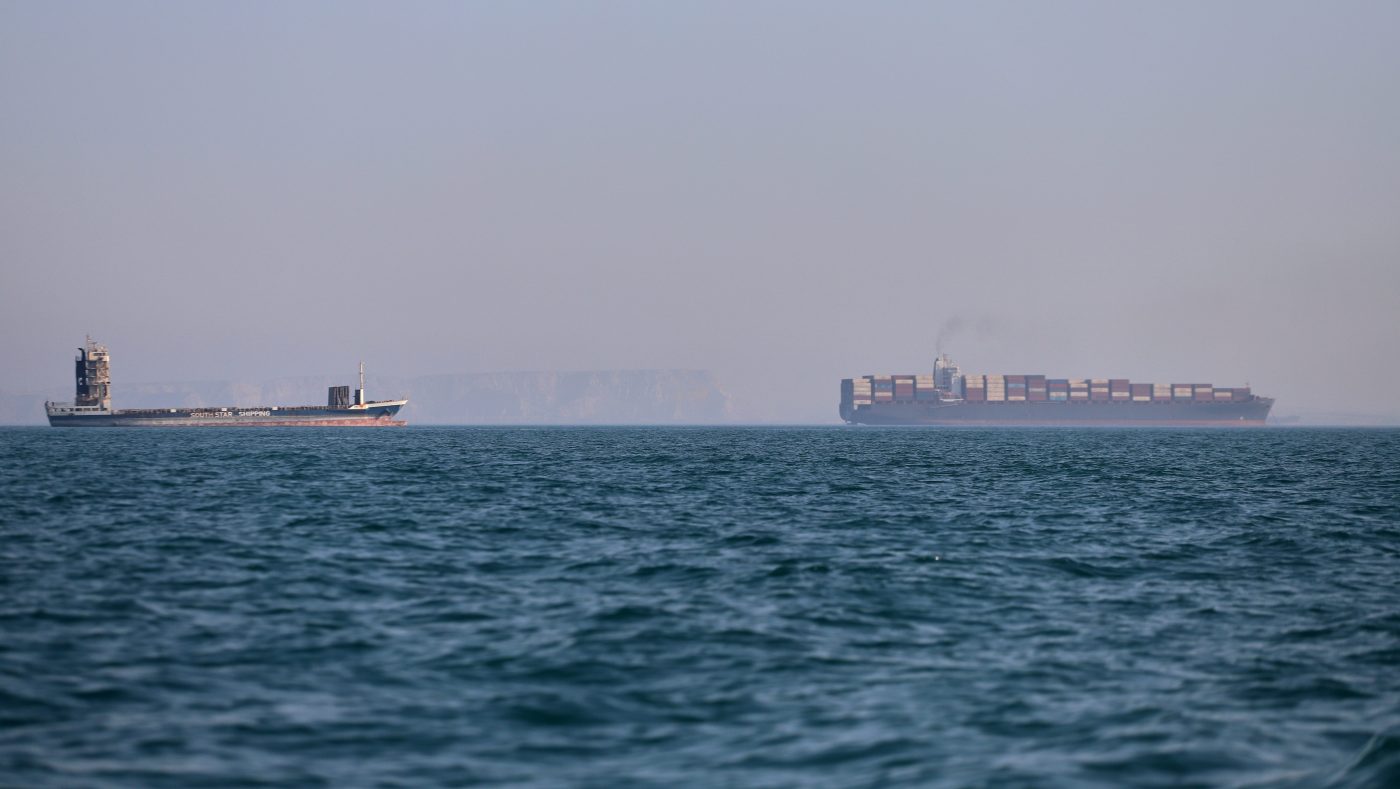
The U.S. military has ended its naval blockade of Iranian ports in the Strait of Hormuz, following the signing of a Memorandum of Understanding (MOU) between Washington, Tehran, and intermediaries. The blockade, in place since mid-April, had barred maritime traffic from Iranian ports and coastal areas, according to U.S. Central Command (Centcom).
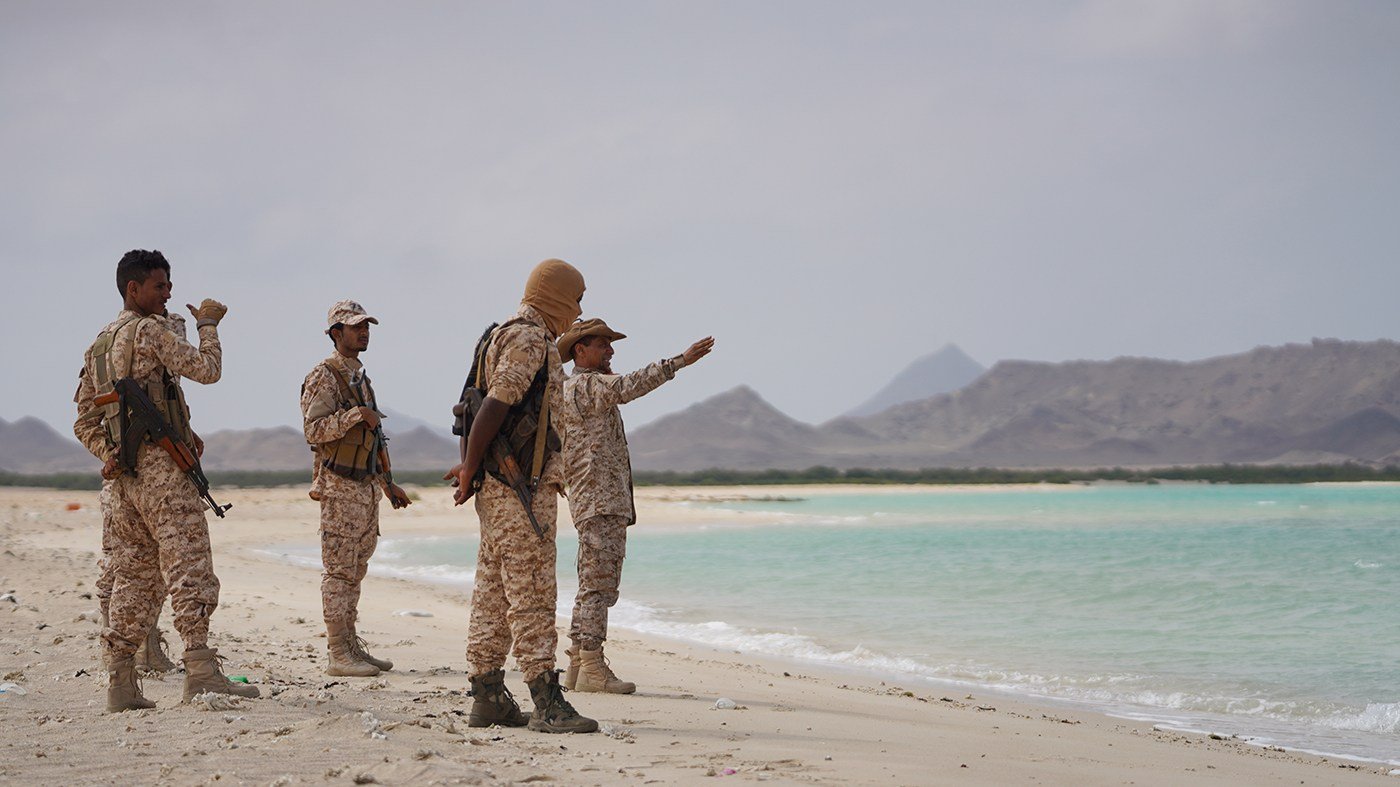
Centcom announced Thursday that American forces are no longer impeding vessels traveling to or from Iranian ports in the Arabian Gulf and Gulf of Oman. “All U.S. military blockade enforcement efforts have ceased,” the statement said. However, U.S. Navy ships and other assets remain in the region to ensure compliance with the MOU, which President Trump signed in France on Wednesday.
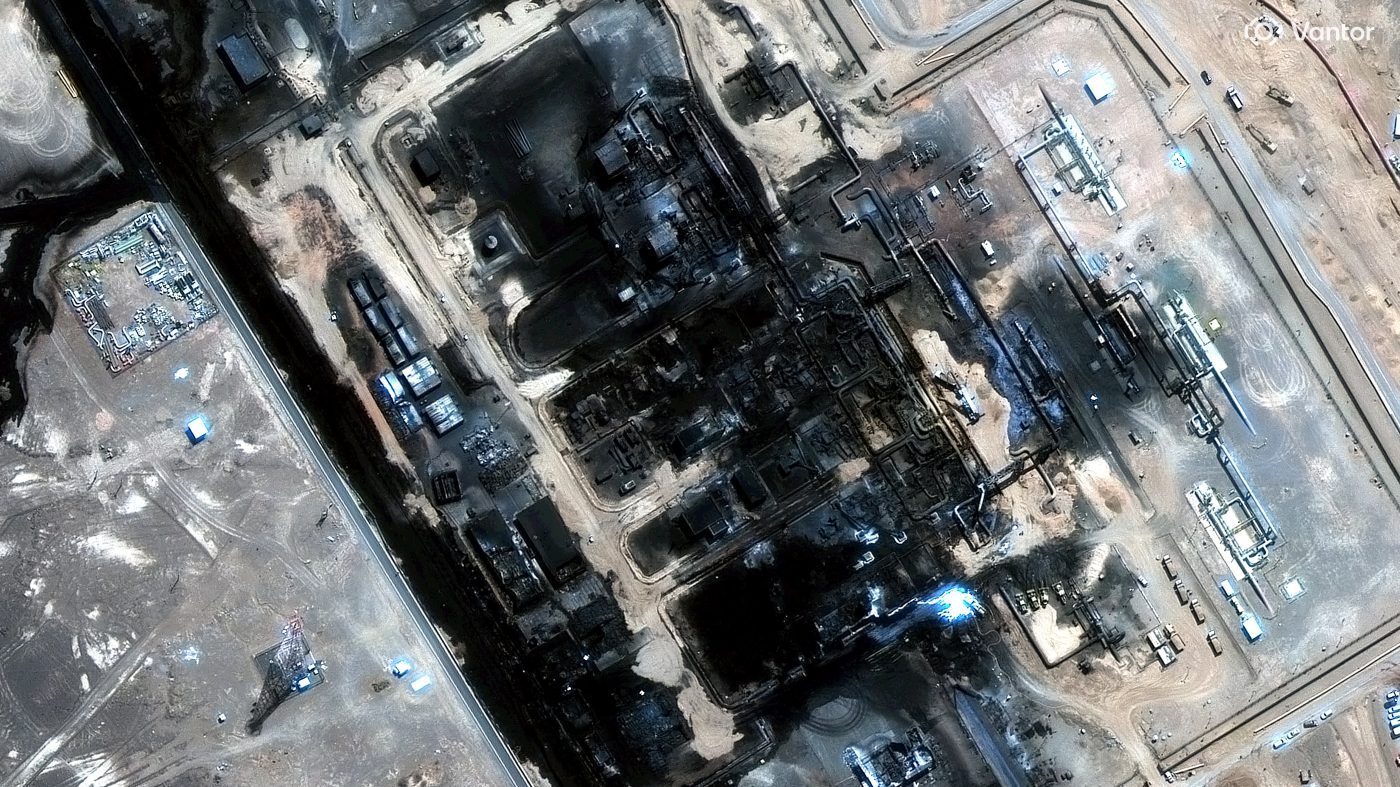
The conflict began when Iran effectively choked off the Strait of Hormuz, a critical passage for about 20% of the world’s oil supply, causing global spikes in oil and gas prices. In response, the U.S. conducted strikes inside Iran and imposed the naval blockade on April 13 to cut off Tehran’s oil exports and pressure its leadership.
During the blockade, U.S. forces redirected 142 commercial ships that complied with warnings and disabled nine vessels that did not, Centcom reported as of June. The blockade cost Iran an estimated $4.8 billion in oil revenue, according to a Pentagon estimate cited by The Hill in early May.
Now, the Trump administration aims to restore normal maritime traffic through the Strait of Hormuz, but experts warn that progress could be hindered by mines Iran placed in the waterway. These mines need to be swept up, and their presence deters some shipping companies from transiting, as detailed in a report on the challenges of clearing Iranian mines.
Steven Wills, a navalist with the Center for Maritime Strategy at the Navy League, described the mines as unpredictable and fear-inducing. “They’re an unknown, they’re hard to find, and they create a sense of fear that other weapons don’t,” he said. “They can just come out of nowhere if they’ve been laid in the right place at the right time. I think it’ll take some time to figure this out.”
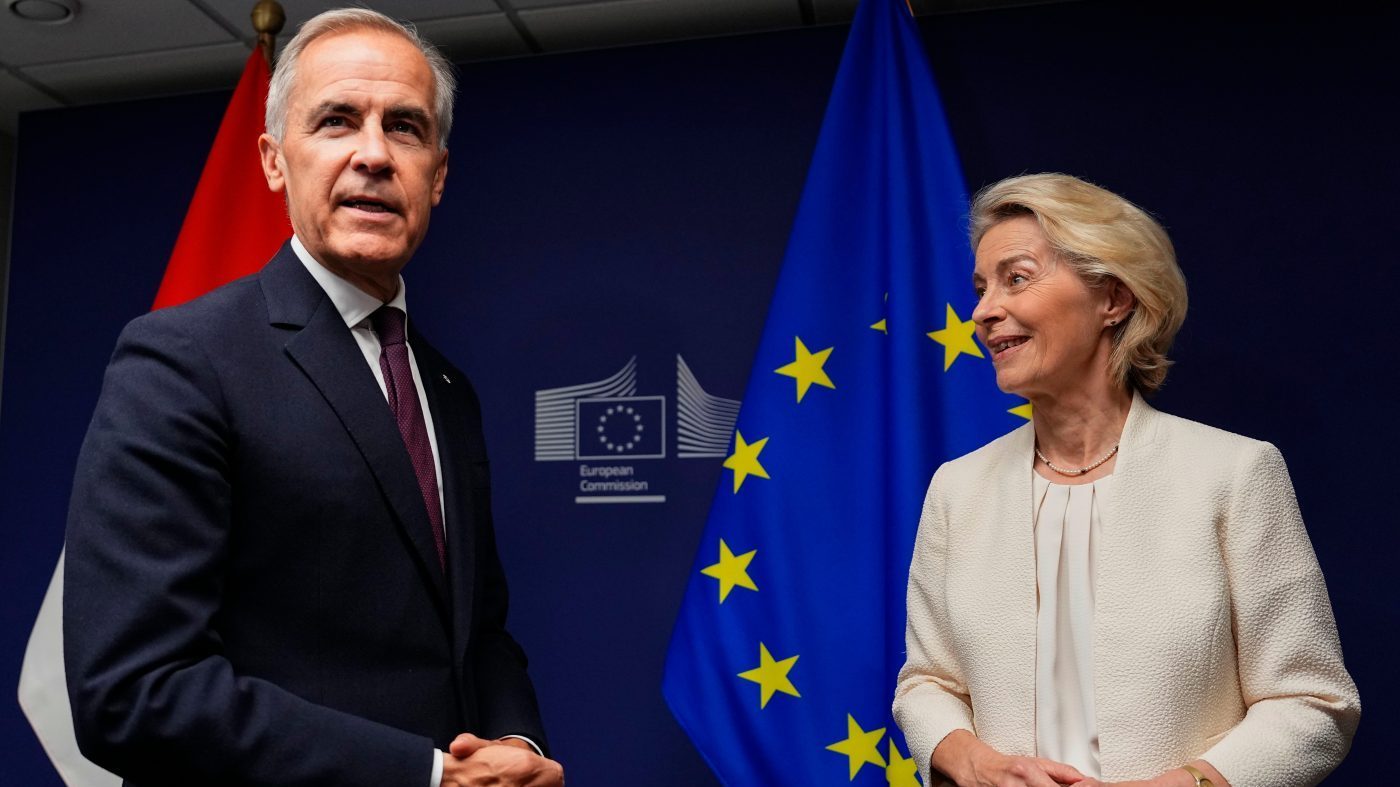
The MOU has drawn criticism from some GOP senators, who view it as a repeat of the JCPOA. Senators have blasted the deal as 'JCPOA-Plus', questioning its terms and the administration’s approach. Meanwhile, the G7 has endorsed the ceasefire, with leaders eyeing the reopening of the Strait of Hormuz, as reported in the G7 endorsement.
The lifting of the blockade has already begun to ease global oil prices, though pre-war levels remain distant, as noted in an analysis of gas price impacts. The administration faces the dual challenge of clearing the strait of mines and rebuilding confidence among shipping companies, all while managing domestic political fallout.