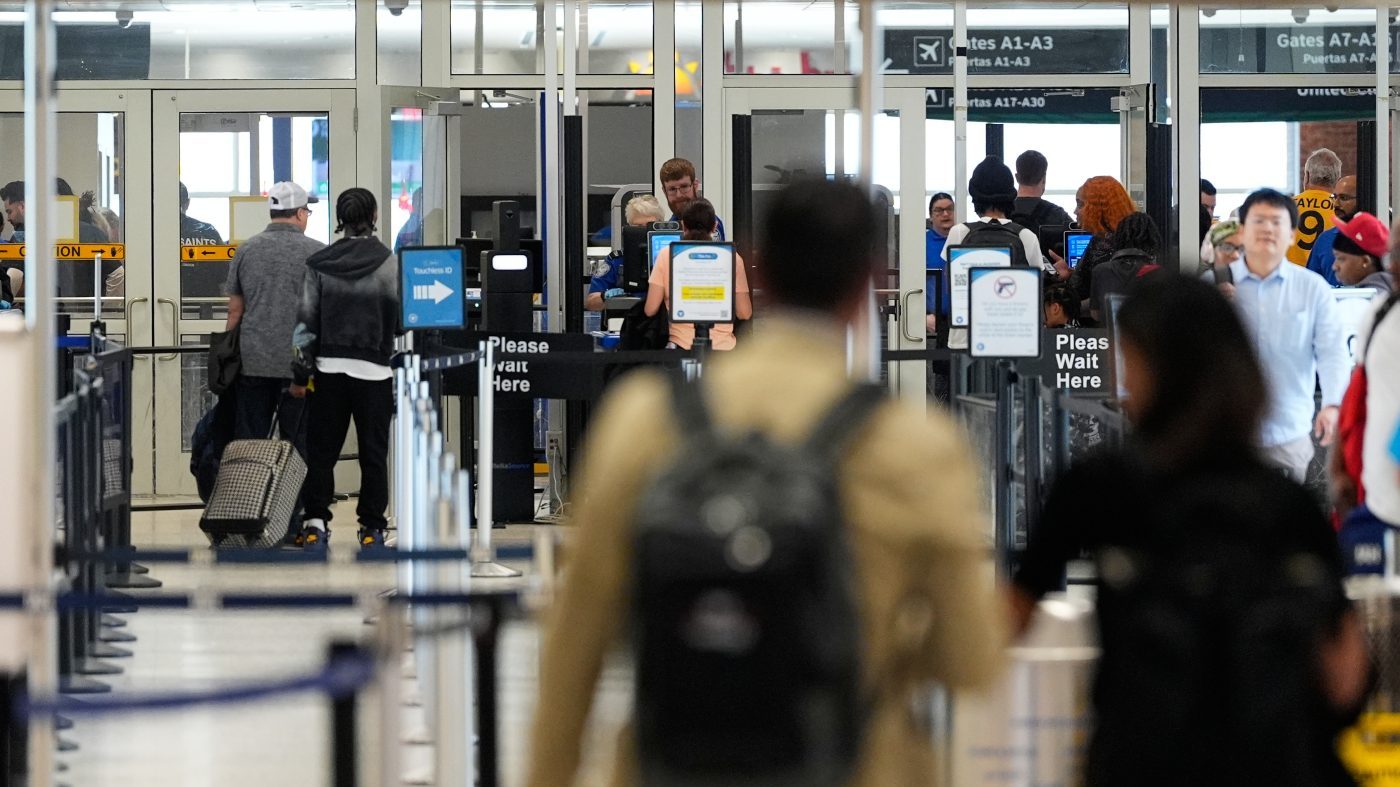
The Biden administration on Wednesday expanded its Ebola screening program for travelers entering the United States from Central and East Africa, adding George Bush Intercontinental Airport in Houston as a third approved entry point for enhanced health checks. The move comes as the outbreak in the Democratic Republic of Congo threatens to become one of the deadliest on record, with the disease spreading faster than containment efforts.
All inbound passengers who have been in Congo, South Sudan, or Uganda within the past 21 days may now enter through Houston, in addition to Washington Dulles International Airport and Hartsfield-Jackson Atlanta International Airport, which were previously the only designated ports of entry under federal public health restrictions. The Centers for Disease Control and Prevention (CDC) and U.S. Customs and Border Protection are conducting the enhanced screenings.

Dulles began processing flights with exposed passengers on May 21, followed by Atlanta on May 22. The addition of Houston reflects the growing scale of the outbreak and the need to manage traveler flows more efficiently, according to officials familiar with the decision.
Under the screening protocol, travelers from the three affected countries complete a brief questionnaire about their recent travel history and any potential exposure to the virus. Health officials also check for symptoms and take temperatures. Passengers without symptoms receive guidance on self-monitoring and next steps if they develop signs of infection. The CDC shares their information with state and local health departments before they proceed to their final destinations.
Travelers who exhibit fever or other symptoms undergo further evaluation. Those suspected of being infected are transported to a hospital for quarantine and medical treatment.
The outbreak in Congo, caused by the rare Bundibugyo strain of Ebola, has already surpassed 900 suspected cases and claimed at least 223 lives, according to the International Rescue Committee. The World Health Organization declared a public health emergency in response. Last week, the CDC issued a temporary order restricting entry into the U.S. for noncitizens and lawful residents from the affected region.
The Bundibugyo strain has no approved vaccine, unlike the more common Zaire strain, which has been targeted by existing Ebola vaccines. The strain was linked to outbreaks in 2007 and 2012, but the current spread is notably faster. The IRC has warned that the Congo Ebola outbreak could become the deadliest ever as funding for containment efforts dries up.
Uganda, which shares a border with Congo, has taken aggressive measures to prevent the virus from crossing. In a related development, Uganda shut its border with Congo as the rare strain spreads rapidly, raising concerns about regional economic fallout. The tourism sector in Uganda is already reeling, as Ebola fears trigger cancellations and economic anxiety.
Other nations are also tightening restrictions. Canada, for instance, has imposed a 21-day quarantine for travelers from Ebola-affected African nations, signaling a broader international response to the escalating health crisis.