The United States' strategic retreat from United Nations bodies has yielded a tangible, immediate victory for Beijing: uncontested influence over which civil society groups gain a voice at the world's premier diplomatic forum. During the winter 2026 session of the UN Committee on Non-Governmental Organizations (NGO Committee), American diplomats were entirely absent, creating a vacuum China swiftly filled to block human rights watchdogs and approve organizations linked to its own political and military apparatus.
A Committee Transformed
The 19-member NGO Committee, a subsidiary of the UN Economic and Social Council (ECOSOC), holds decisive power. It determines which non-governmental organizations can attend UN meetings, submit official statements, and organize events to influence international delegations. Accreditation is a years-long process, and status grants groups a critical platform within a system otherwise dominated by national governments.
Historically, the committee has been an ideological battleground. Alongside democracies like the United Kingdom and Chile, the U.S. served as a nearly constant member since 1946, advocating for independent civil society groups—even those whose views diverged from the sitting administration's. "We will continue to support the accreditation of non-governmental organizations, including those with whom we disagree," U.S. representatives stated in 2024, a year when accredited groups like the ACLU were suing the government. This principled stance was strategic, designed to deny authoritarian states like China, Russia, and Cuba pretext to block critics.
The Concrete Consequences of Withdrawal
The recent session demonstrated the cost of abandoning that posture. With no U.S. delegation to counter it, China successfully prevented the accreditation of several prominent organizations, including the Uyghur Human Rights Project, the Center for Victims of Torture, and the bipartisan Tom Lantos Foundation for Human Rights and Justice. Simultaneously, it secured consultative status for at least eight Chinese NGOs previously rejected, such as Jingshi International Consulting Services (Hainan) and the Shaanxi Women’s Sports Association.
An analysis of these organizations' own materials reveals connections to the Chinese Communist Party and the country's civil-military fusion strategy—a predictable outcome in a state where all civil society is tightly controlled. The risks of such government-organized non-profits are documented; they can drown out authentic voices and have been linked to corruption scandals that damage the UN's credibility.
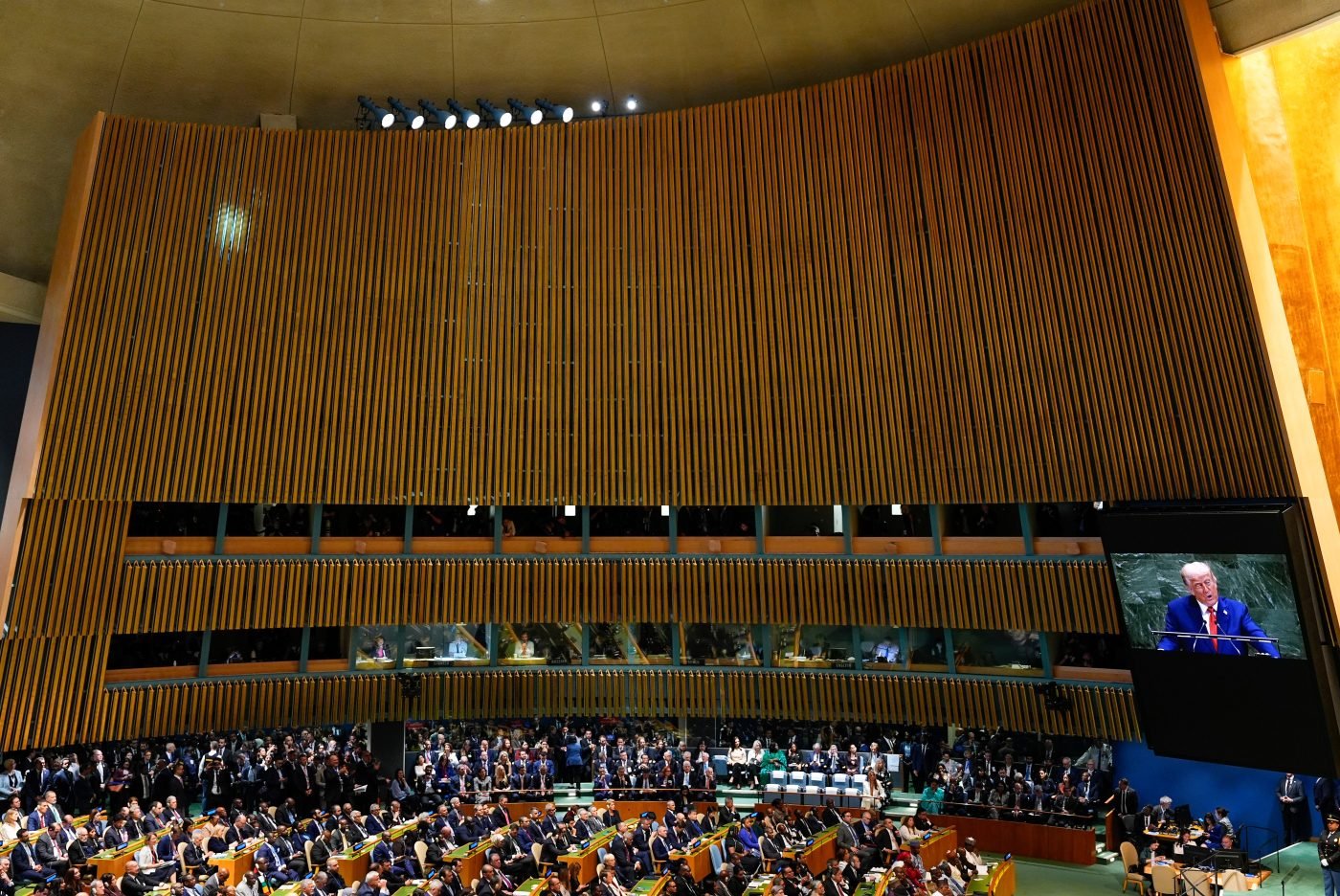
This shift did not occur in a vacuum. The previous administration's broad skepticism of multilateral forums, including ECOSOC and human rights bodies, led to the closure of relevant State Department offices and restrictions on the U.S. team in New York. As former Ambassador Mike Waltz framed the dilemma in October: Should the U.S. "stay engaged and block and tackle and lead in line with our values… or do we decide that it’s just not worth the time, energy, treasure, and effort, and step back?" The current trajectory suggests the latter choice is prevailing, with direct consequences.
A Velvet Veto for Beijing
The impact of U.S. withdrawal from UN agencies is often diffuse and slow-moving, buried in procedural detail. The NGO Committee is a stark exception, providing a clear before-and-after snapshot. Without American diplomats to force votes to the full ECOSOC or lobby against bureaucratic delays, China now wields a "velvet veto"—a quiet, procedural tool to reshape the UN's civil society landscape in its favor.
The committee's composition itself underscores the challenge. It includes Cameroon, Cuba, Eritrea, Nicaragua, and Zimbabwe—nations frequently criticized for human rights abuses. The absence of a consistent democratic counterweight like the United States cedes the field. This dynamic echoes concerns raised in other areas of foreign policy, such as when senators warn against NATO withdrawal during international crises.
The clock is now ticking. ECOSOC is set to elect the next slate of NGO Committee members in April. The author, Allison Lombardo, a former deputy assistant secretary of State, argues the administration must immediately ensure the State Department and New York team have the mandate and expertise to re-engage robustly. The alternative is compounding damage that accrues quietly over years, in the kind of incremental erosion that becomes irreversible before it draws widespread attention. This form of bureaucratic retreat stands in contrast to more visible administration actions, such as when the State Department issues global travel alerts during open conflicts.
Ultimately, the battle in the NGO Committee is a microcosm of a larger struggle over the rules and values that will govern international institutions. By ceding this space, the United States isn't merely skipping a meeting; it is handing China a direct tool to legitimize its model of state-controlled civil society and silence its critics on a global stage.