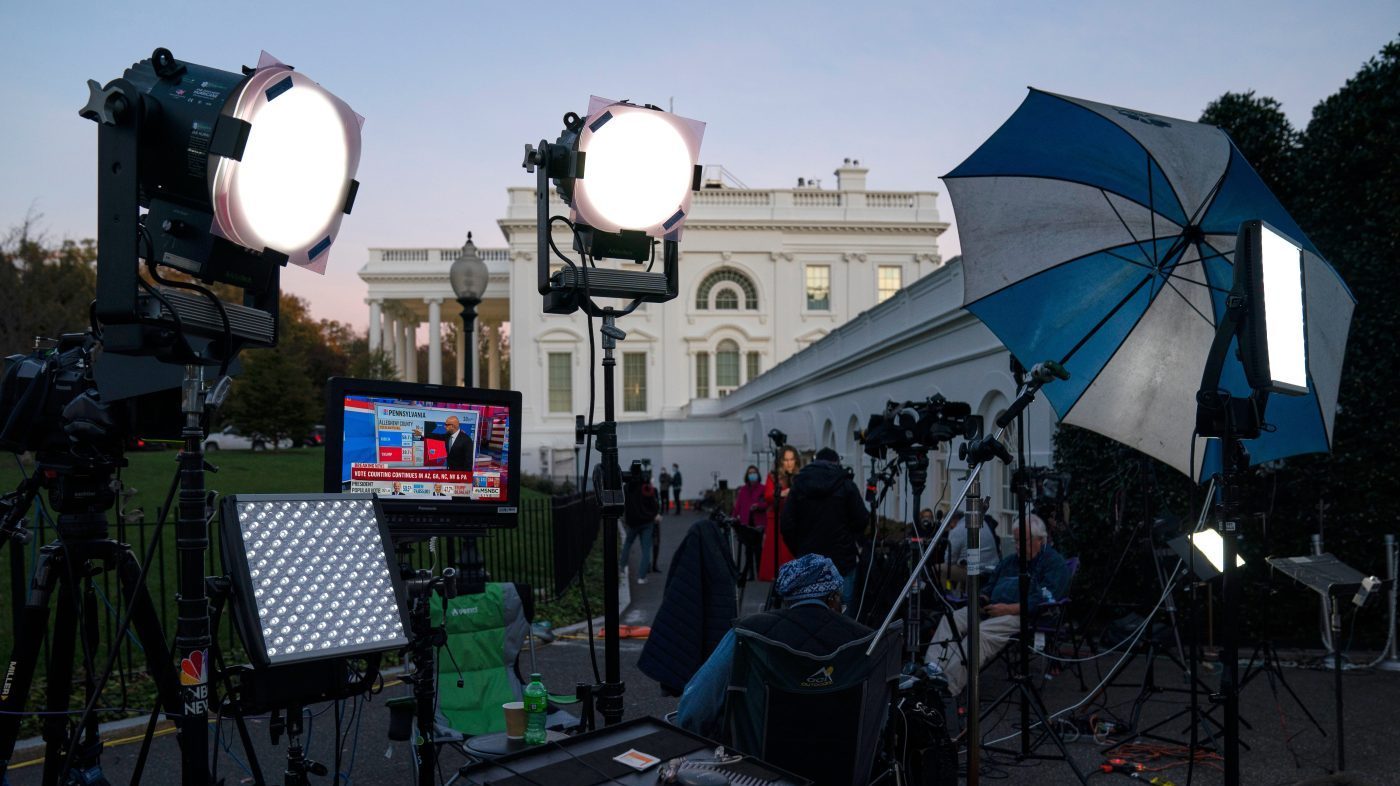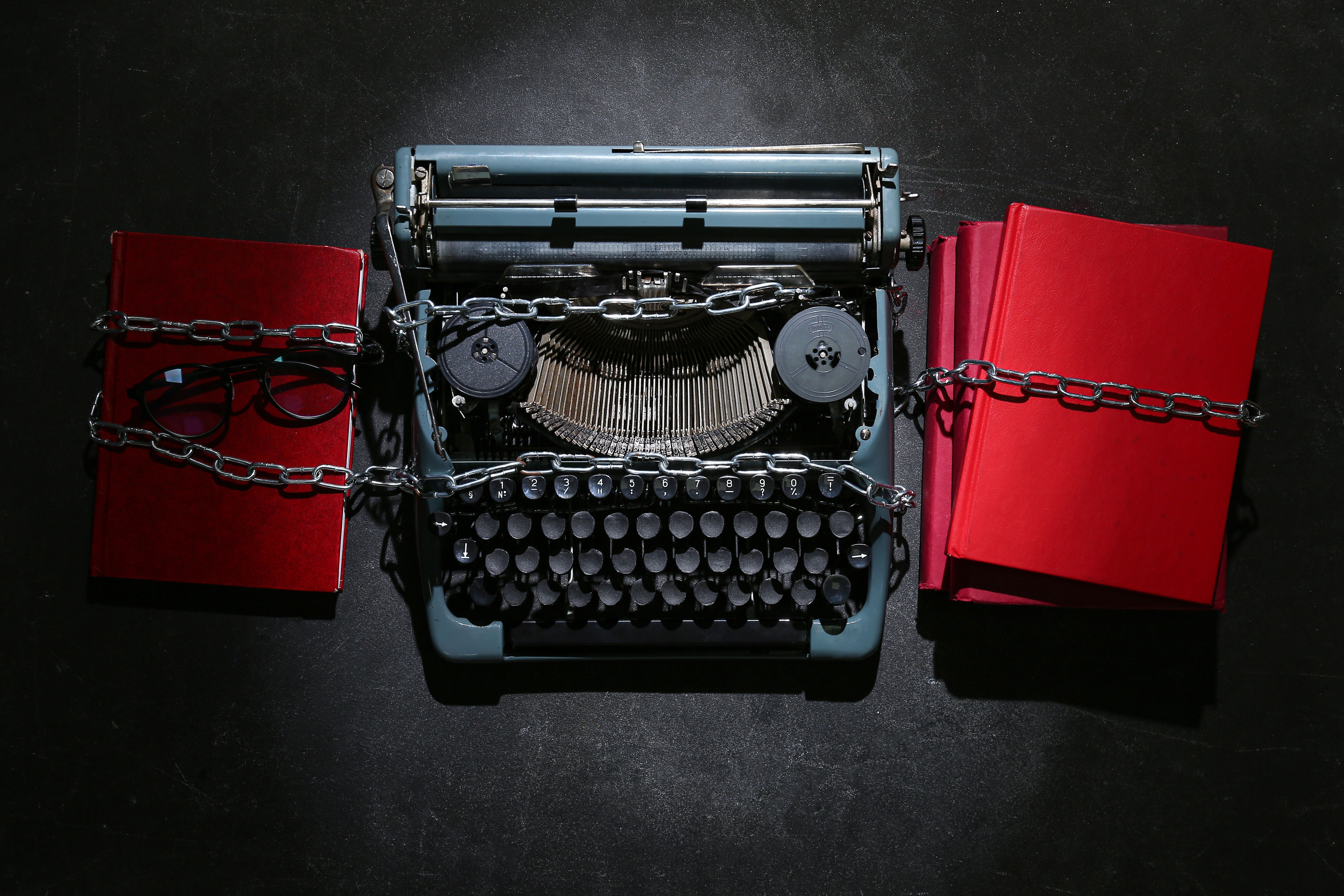
The Trump administration has moved to restrict foreign journalists' ability to work in the United States, a policy shift that press freedom advocates say mirrors authoritarian tactics used by Russia, China, and Iran. The new rules, announced by the Department of Homeland Security (DHS) this summer, would cap initial stays for foreign correspondents at 240 days—less than eight months—ending a Reagan-era policy that had allowed them to remain lawfully as long as their job required. That flexible system, which survived across both Republican and Democratic administrations for over four decades, gave reporters the stability to build networks, lease homes, and enroll children in schools, enabling them to provide their home audiences with a nuanced view of American life.
DHS claims the change is necessary for "national security and fraud prevention," but the department itself acknowledged "the lack of public data cited in the proposed rule regarding fraud and overstays specific" to journalists. The new requirement would force journalists seeking longer stays to file extension applications every 240 days, incurring additional costs, submitting new biometric data, and potentially facing interviews about the content of their reporting. Critics warn this gives the government a powerful tool to target journalists based on their coverage, a tactic reminiscent of repressive regimes that use visa compliance as a cudgel against unfavorable reporting.
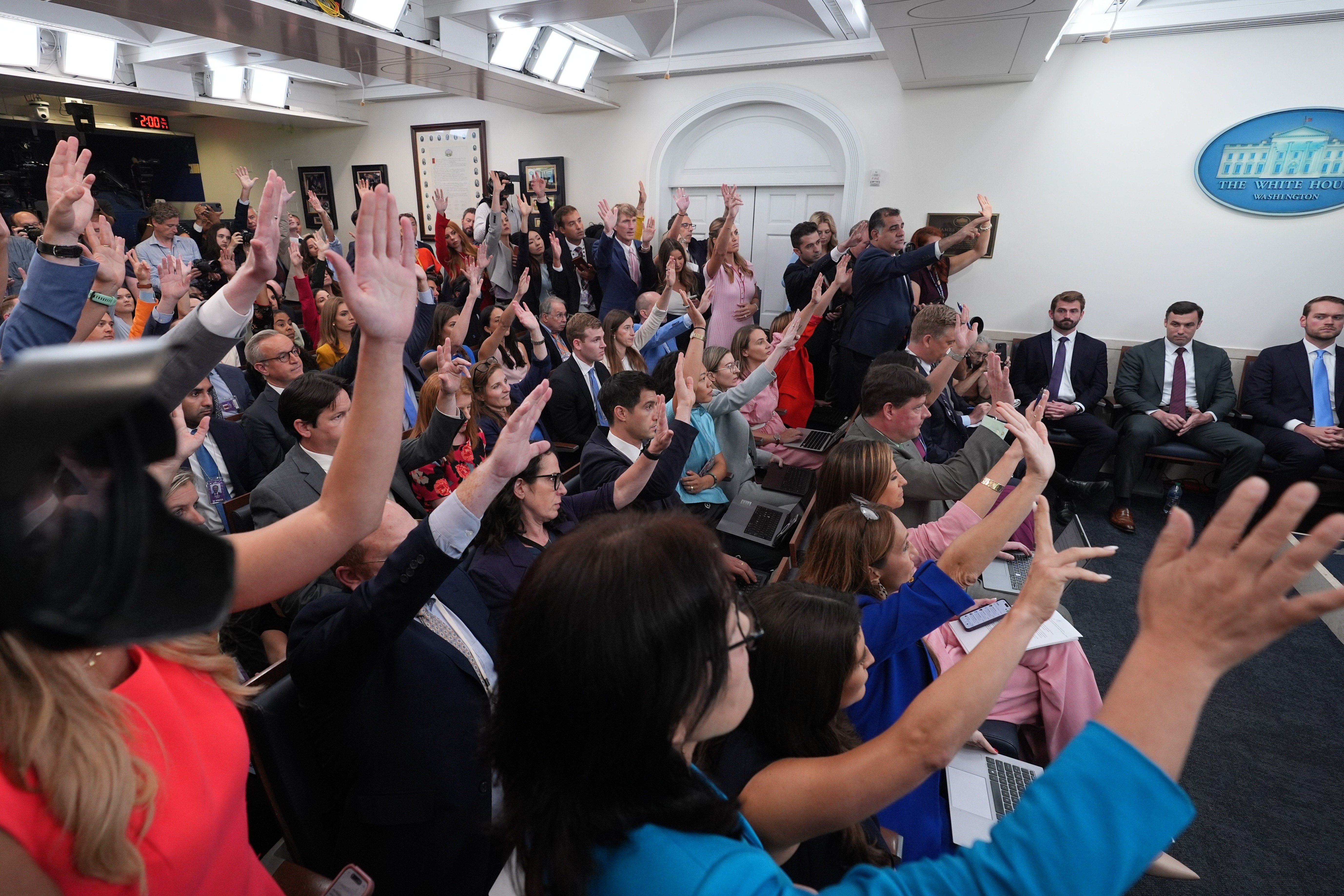
The move is part of a broader pattern of hostility toward the press under President Trump, who has repeatedly clashed with media outlets. The administration has arrested and charged journalists, issued subpoenas—including to reporters' family members—restricted access to the White House and Pentagon, threatened broadcasters, and sued news organizations. The immigration crackdown has been particularly aggressive, with foreign journalists facing visa revocations, detention, and even deportation. As some conservative media voices have split with the White House over press bans, the administration has escalated its efforts to control the narrative.
Press freedom advocates argue these actions are unprecedented in modern U.S. history. The Committee to Protect Journalists (CPJ) and other groups have called on Congress to block the rule, warning that it could lead to self-censorship among foreign correspondents. "Foreign journalists are likely to second-guess their editorial decisions and self-censor to avoid running afoul of Homeland Security monitors," said Loghman Fattahi, CPJ's U.S. advocacy representative, in a statement.
Before the rule was set to take effect, a federal judge intervened. Judge F. Dennis Saylor of Boston, ruling on a lawsuit filed by unions and advocacy groups, said the policy was based on "exceptionally weak" rationales. "The weakness of the connection between the rule and its purported rationales raises legitimate questions as to whether its real purpose is not to safeguard national security and protect our borders, but to achieve other, undisclosed, goals," Saylor wrote. His decision temporarily halts the rule, but the administration could appeal or revise the policy.
The timing is particularly striking given the administration's recent moves on Russia sanctions and its assertion of a new security pact with Greenland, both of which signal a hardline foreign policy posture. Yet, as Fattahi noted, the visa rule stands in stark contrast to the Reagan era, when the U.S. championed individual freedoms in its contest against the Soviet Union, which was notorious for suppressing independent journalism. "More than 40 years later, the Trump administration has turned its back on America's proud commitment to liberty for all," he said.
The fight is far from over. Congress retains oversight power and could block the rule permanently. Advocates urge lawmakers to ensure that administrative procedures do not obstruct the foreign press's ability to report continuously. As Judge Saylor's ruling suggests, the courts may be a bulwark against executive overreach. But the chilling effect on foreign correspondents is already palpable, raising concerns about the future of press freedom in the United States.