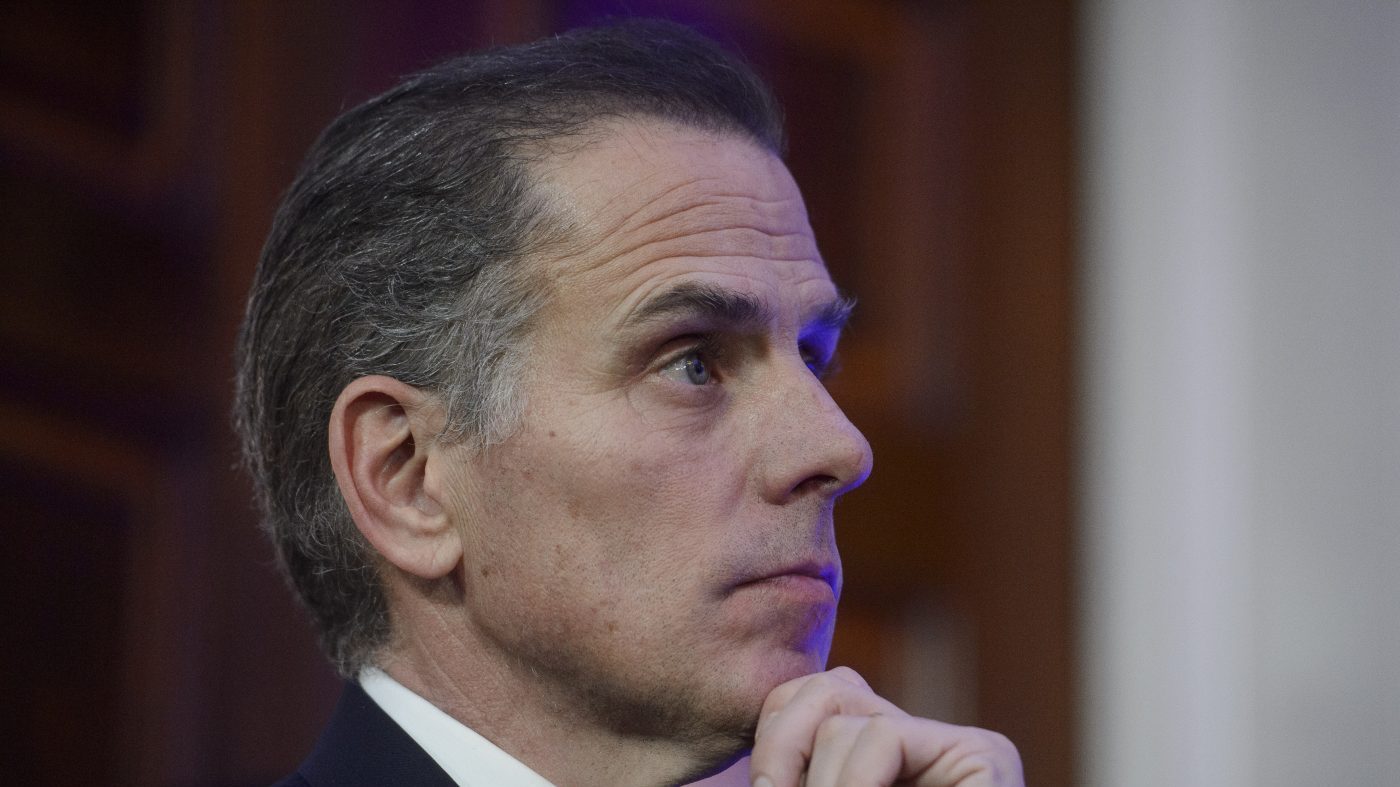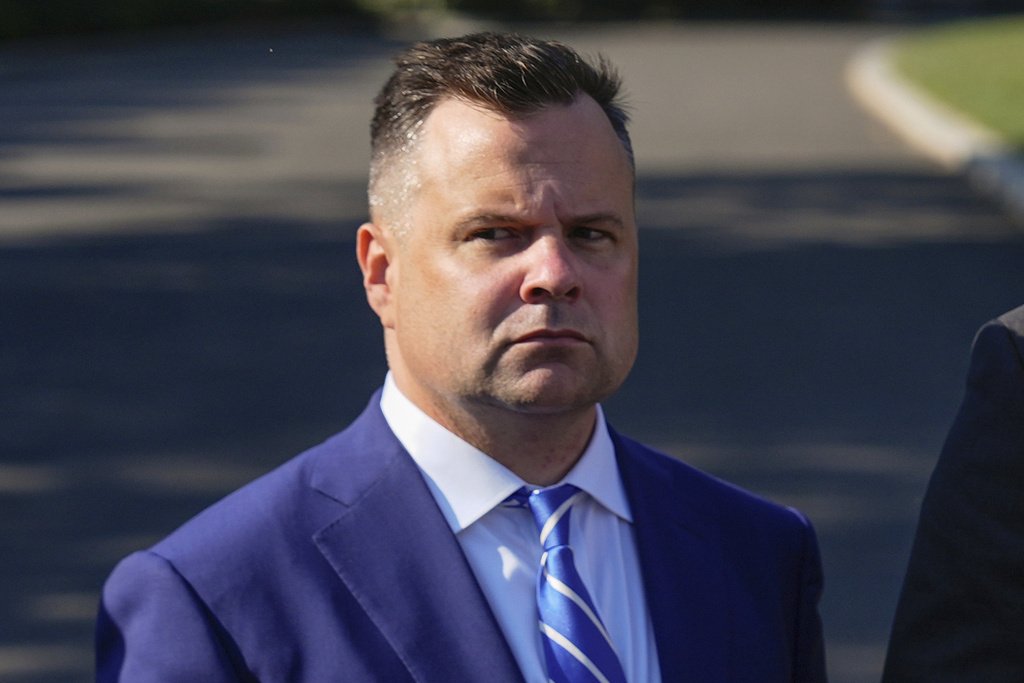
President Trump's appointment of Bill Pulte, the current head of the Federal Housing Finance Agency, as interim director of national intelligence has drawn widespread confusion and criticism in Washington. Pulte, who has no intelligence or national security experience and lacks a security clearance, is tasked with a mission that goes beyond typical agency oversight: proving the 2020 presidential election was stolen.
Trump publicly justified the move by claiming the Office of the Director of National Intelligence is bloated and needs downsizing, even as outgoing DNI Tulsi Gabbard had already begun cutting staff. However, analysts note that if reducing bureaucracy were the primary goal, more qualified figures like CIA Director John Ratcliffe or Secretary of State Marco Rubio would have been logical choices. Ratcliffe, in particular, has the expertise to oversee a drawdown while preserving critical functions.

The real rationale, according to sources and Trump’s own statements, is to use Pulte’s loyalty to uncover evidence of election fraud. Pulte previously demonstrated his willingness to please Trump by probing mortgage loans of political enemies, including Federal Reserve Governor Lisa Cook and Senator Adam Schiff, urging prosecution for mortgage fraud. When ProPublica highlighted similar issues among Trump’s own Cabinet members, the White House intervened to protect them, underscoring the selective nature of the investigations.
Pulte’s appointment comes amid a broader Trump administration push to investigate election integrity. Under Gabbard, the DNI led an FBI raid on Fulton County, Georgia’s elections office in January, following a Justice Department request for ballots and related materials from the 2020 election. Similar actions targeted Puerto Rico—despite its inability to vote in federal elections—and Maricopa County, Arizona, in March. These efforts align with long-discredited conspiracy theories linking Venezuela to Trump’s 2020 loss, as reported by The Guardian.
Trump has repeatedly promised new evidence supporting his stolen-election claims, but none has emerged. If Gabbard’s investigations had yielded credible proof, Trump would have likely publicized it. Election fraud does occur, but typically in minuscule amounts insufficient to overturn a multi-million-vote outcome.
Pulte’s task is to find anything—real or manufactured—that justifies Trump’s narrative. The Wall Street Journal reported that Trump wants Pulte to release more classified documents related to the 2020 election. This focus aligns with broader political tensions, including Thune’s push for FISA renewal stalling amid Pulte’s appointment and Jeffries blocking FISA renewal unless Pulte is removed.
The appointment has deepened partisan divides, with Democrats arguing it politicizes intelligence. Meanwhile, Trump’s sway in upcoming primaries, such as in South Carolina and Maine, continues to test his influence, even as his election fraud focus persists. Pulte’s role underscores a troubling trend: using national security agencies for political retribution, rather than their intended purpose of protecting the nation.