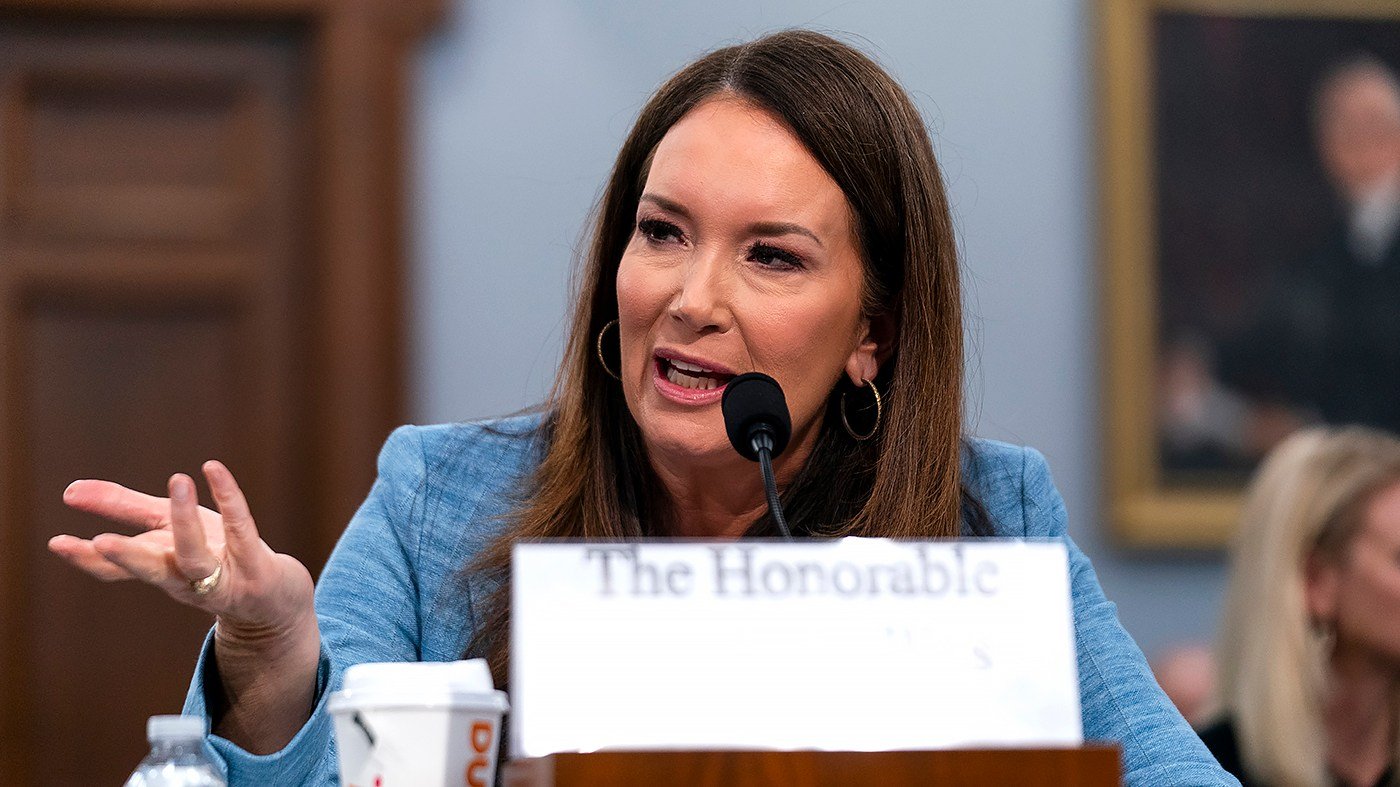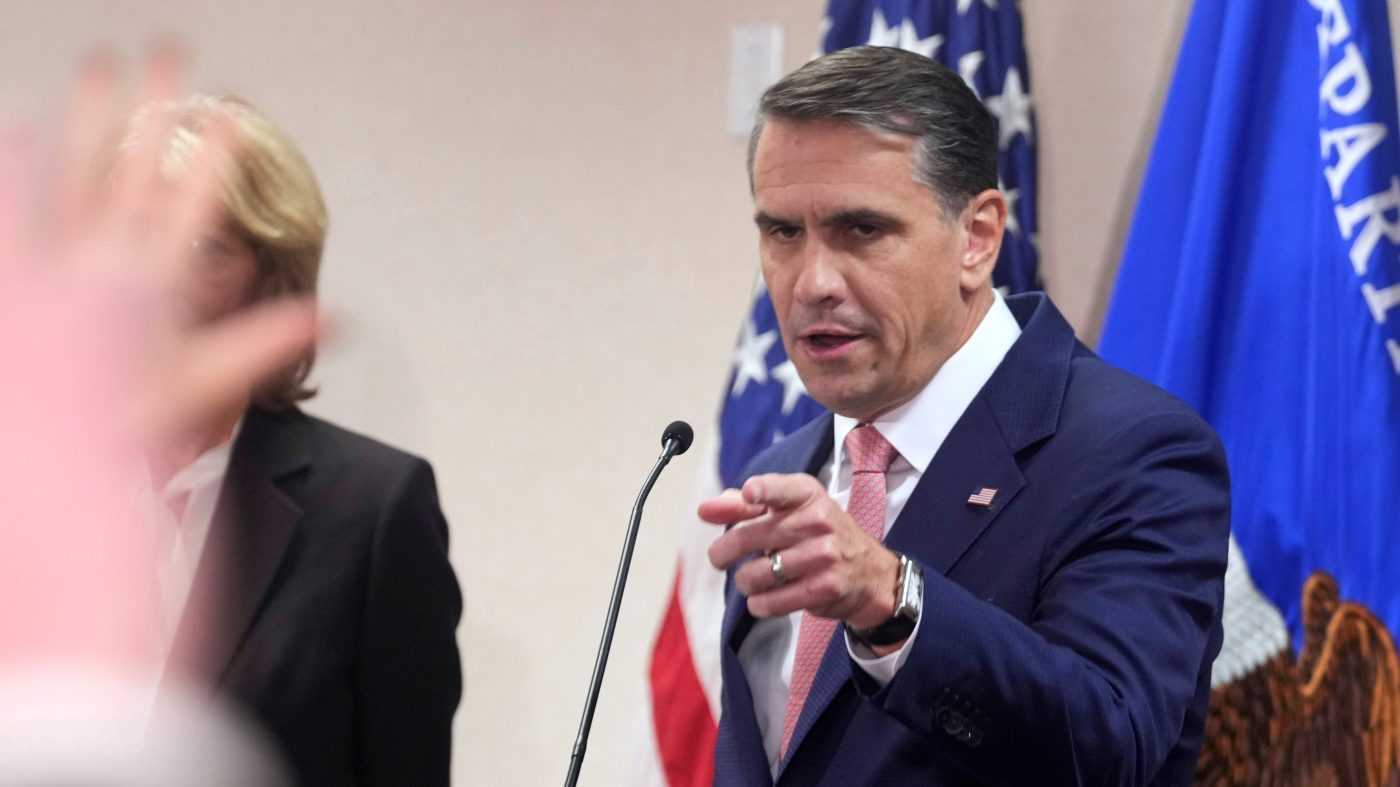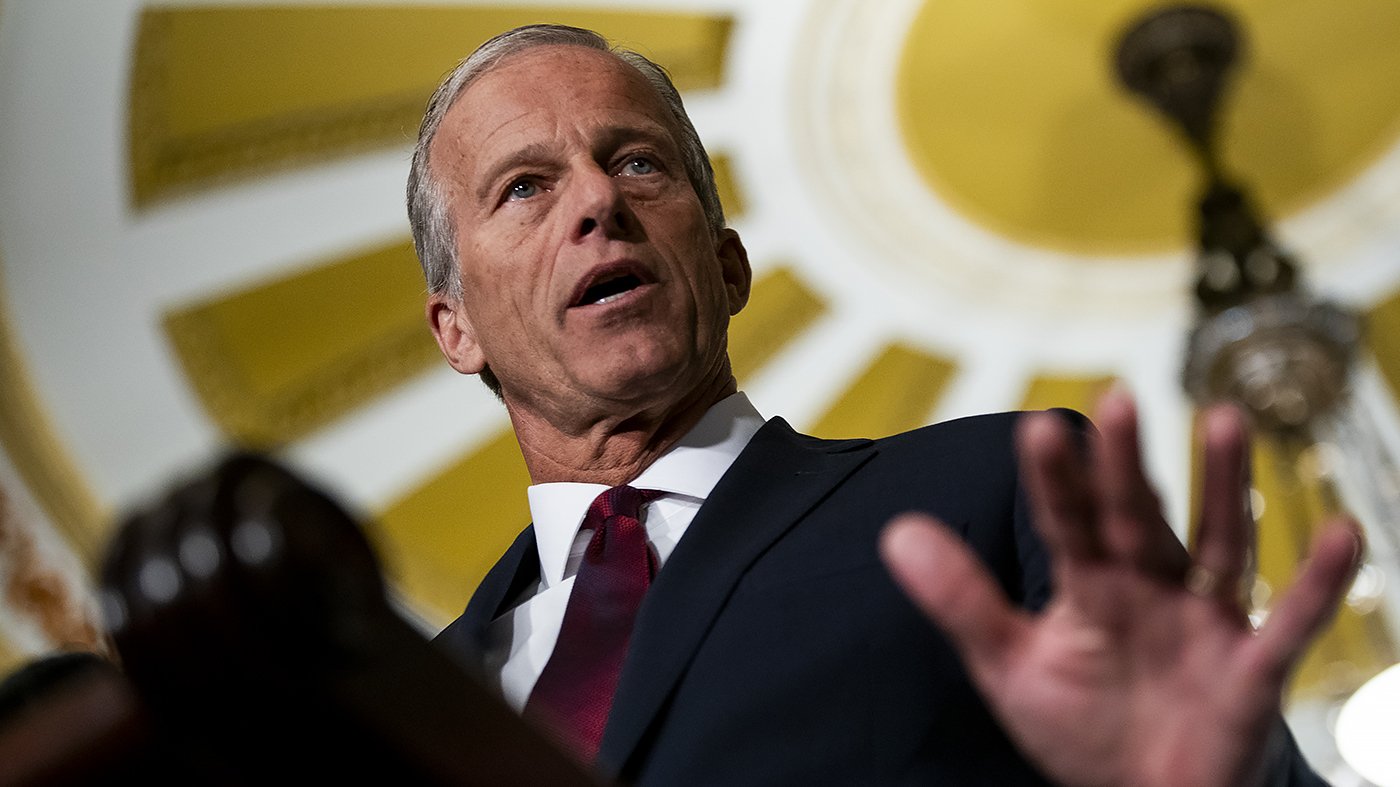
Senate Majority Leader John Thune (R-S.D.) is scrambling to secure bipartisan support for renewing a key surveillance law, Section 702 of the Foreign Intelligence Surveillance Act, before the end of the week. The push comes as President Trump's appointment of Bill Pulte as acting director of national intelligence has sparked a political firestorm, complicating what was already a tight timeline.
Thune acknowledged the political headwinds on Monday, telling reporters, “All I know is we have a deadline ahead of us. We need Democrat votes.” The law, which allows U.S. intelligence agencies to monitor foreign adversaries abroad, is set to expire, and its renewal has become entangled in a broader dispute over Pulte's qualifications and conduct.
The proposed three-year extension includes reforms aimed at preventing Americans' data from being inadvertently swept up, a long-standing concern of privacy hawks in both parties. Thune argued that these changes are essential safeguards, regardless of who leads the intelligence community. “Irrespective of what you think about Bill Pulte, providing the reforms that are included in the 702 reauthorization is a safeguard regardless of who’s in that job or which party is in power here,” he said.
Pulte, who currently heads the Federal Housing Finance Agency, has faced bipartisan criticism for his lack of national security experience and his controversial use of mortgage records to target political opponents of Trump, including former Federal Reserve board member Lisa Cook and New York Attorney General Letitia James. Trump has also reportedly ordered Pulte to carry out mass layoffs within intelligence agencies, further alarming lawmakers.
Last week, a bipartisan coalition blocked the FISA extension in a procedural vote, with several Republicans joining Democrats in opposition. Among them was retiring Rep. Don Bacon (R-Neb.), who publicly urged Trump to remove Pulte to salvage the surveillance law. House Minority Leader Hakeem Jeffries (D-N.Y.) has made clear he will not support the renewal as long as Pulte remains in the top intelligence post.
Thune, who himself expressed doubts about Pulte's qualifications when the appointment was announced, declined to comment on whether the White House might replace him. “I’m familiar with some of the conversations that are happening around that,” he said. “I think I’ll let the White House speak, whatever the next plan might be there. But we need, we can’t pass this on the floor without Democrats.”
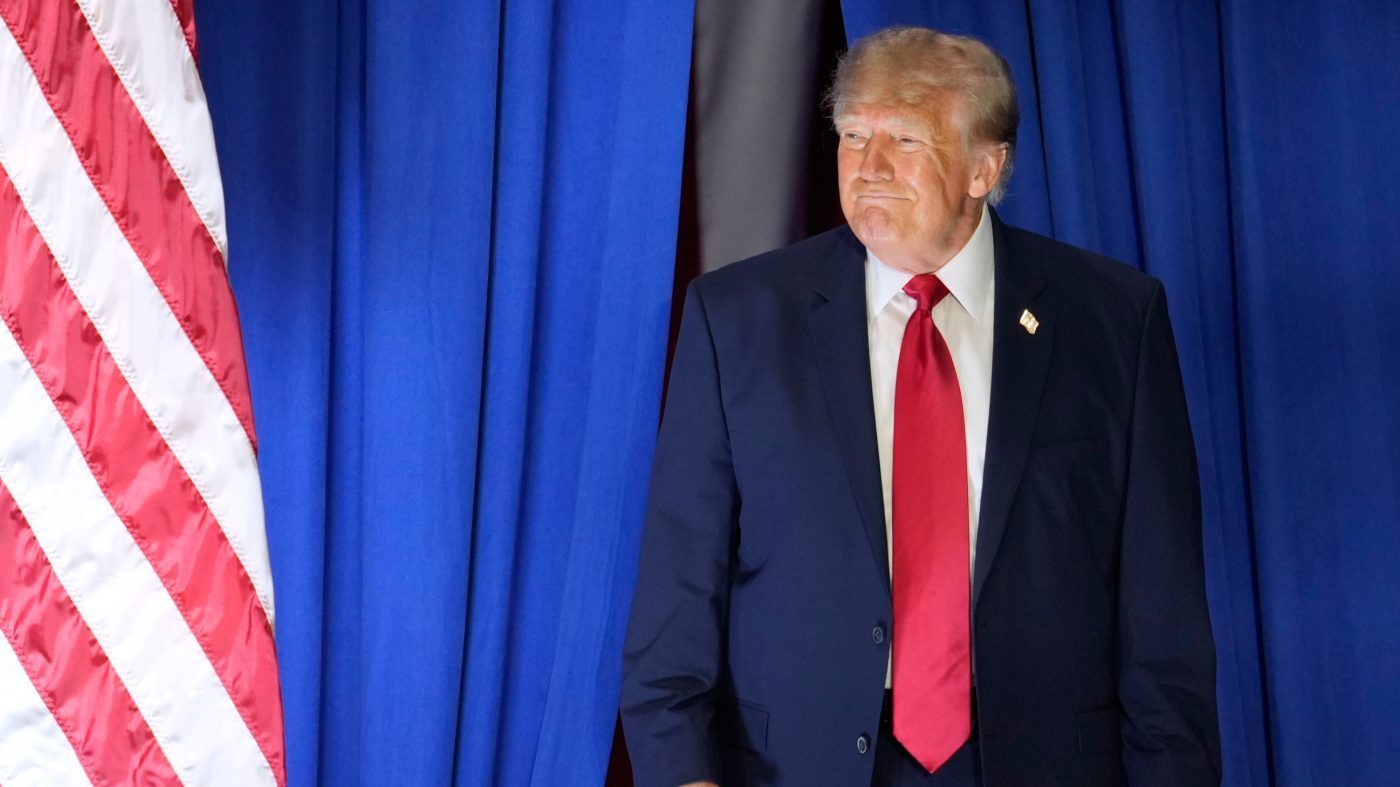
The standoff echoes earlier clashes over Trump's demands for loyalty and rapid personnel changes. As Trump pressures Thune on other procedural matters, the FISA vote has become a test of whether the GOP can navigate internal divisions and secure the bipartisan cooperation needed to keep the surveillance program alive.
With the deadline looming, Thune is working to peel off enough Democratic votes, even as Jeffries blocks the renewal unless Pulte is removed. The outcome remains uncertain, but the stakes are high: failure to extend Section 702 would severely hamper U.S. intelligence capabilities, a risk that both parties are keenly aware of.