South Korea's reluctance to support the Trump administration's efforts in the Strait of Hormuz has triggered a petulant response from the White House. President Trump, seemingly eager to rekindle his rapport with North Korean leader Kim Jong Un, has cut short joint military exercises with Seoul—a move that many interpret as punishment for the South's refusal to join the Iran mission. This decision raises a critical question: can Seoul still trust Washington's defense commitments, or will it be forced to pursue its own nuclear deterrent?
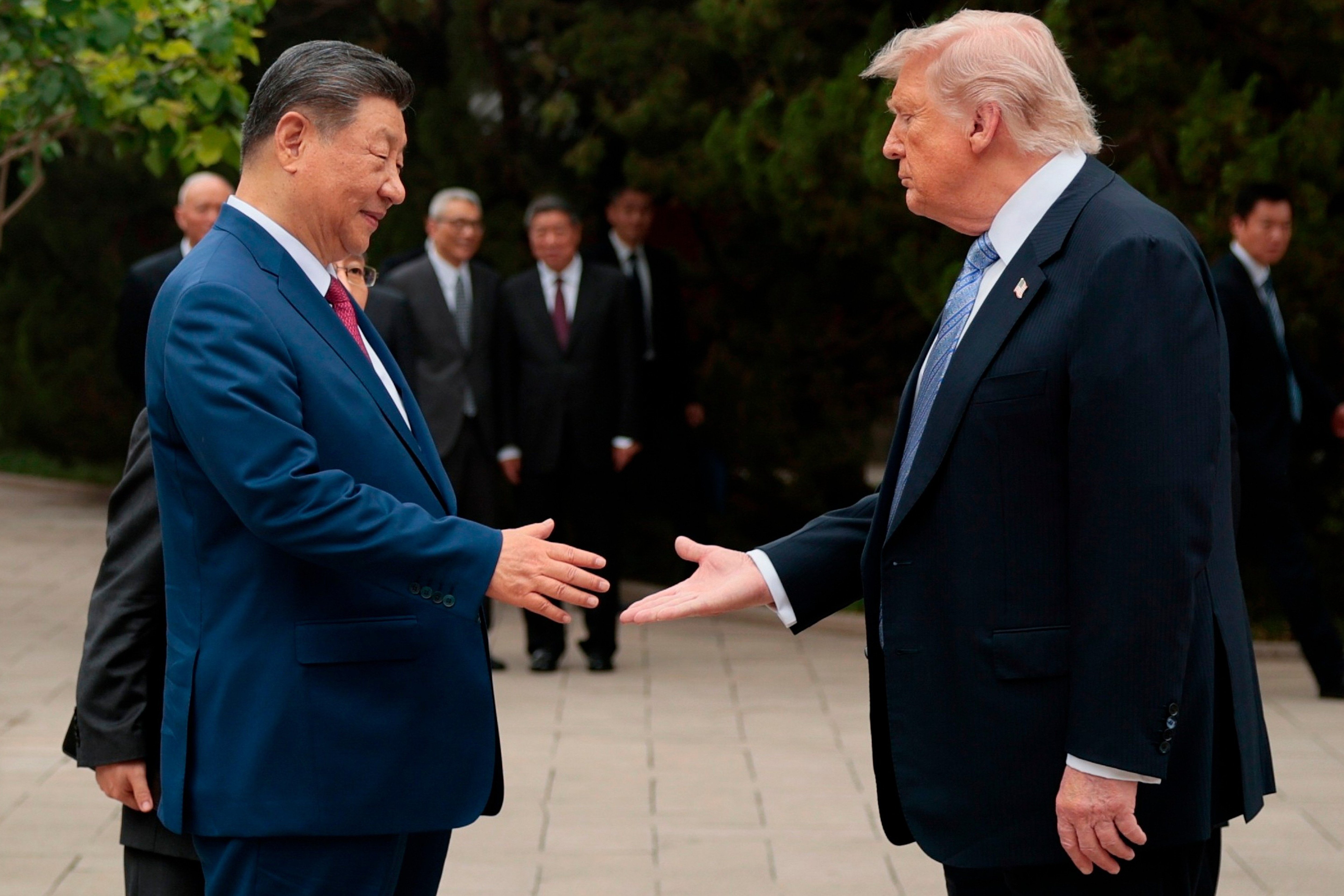
The unfolding scenario suggests a broader strategic shift. Next month, President Trump is scheduled to meet with Chinese President Xi Jinping. The agenda may include a bold proposition—a "Taiwan two-step" in which Trump could signal that the United States will not automatically come to Taiwan's defense if China invades. Such a stance would be a dramatic departure from decades of US policy, though it might appeal to an American public weary of foreign entanglements, especially after the bungled Iran excursion.

Public opinion in the US already leaned against a war over Taiwan, with roughly two-thirds of Americans opposed. The Iran debacle has likely hardened that opposition. Taiwan's own political landscape complicates matters. The island has the resources to implement a "Porcupine Defense"—a strategy designed to make an invasion prohibitively costly—but it has not done so. With the Kuomintang holding 52 of 113 legislative seats and advocating reconciliation with the mainland, and the Democratic Progressive Party holding 51 and favoring independence, political gridlock has stalled such preparations.
China appears willing to wait, betting that Taiwan will eventually choose unification. Trump could accelerate that process by negotiating a deal with Xi, perhaps offering to withdraw US defense commitments in exchange for Chinese cooperation on other fronts, such as helping resolve the Iran crisis. This would ease the burden on the US military and potentially reshape the Indo-Pacific balance of power.
However, the US National Defense Strategy prioritizes deterring China through strength, not concession. China has established a formidable "weapons engagement zone" extending over 1,500 miles from its borders, placing US forces at substantial risk in any conflict. Unclassified war games suggest high casualties are likely. Yet there is an alternative: Trump could adopt a Cold War-style deterrence posture, maintaining both conventional and nuclear forces ready to make any invasion of Taiwan a disaster. This would serve as an insurance policy, even without a formal treaty commitment akin to NATO's Article Five.
From Trump's perspective, such a move could be a trifecta: it might extricate him from Iran, stabilize the Korean Peninsula, and improve relations with China. But the administration's poor record of execution makes such a gamble risky. As Harlan Ullman, a senior adviser at the Atlantic Council and principal author of the shock-and-awe doctrine, warns, "I would not bet the future on an administration with such a poor record of execution."
In the meantime, the administration's focus on Iran sanctions and trade deals continues to shape its foreign policy. Treasury Secretary Bessent has unveiled sweeping Iran sanctions, described as "economic D-Day," while the president has defended his endorsement record despite primary setbacks. These moves, along with the Taiwan question, underscore a foreign policy that is both unpredictable and consequential.