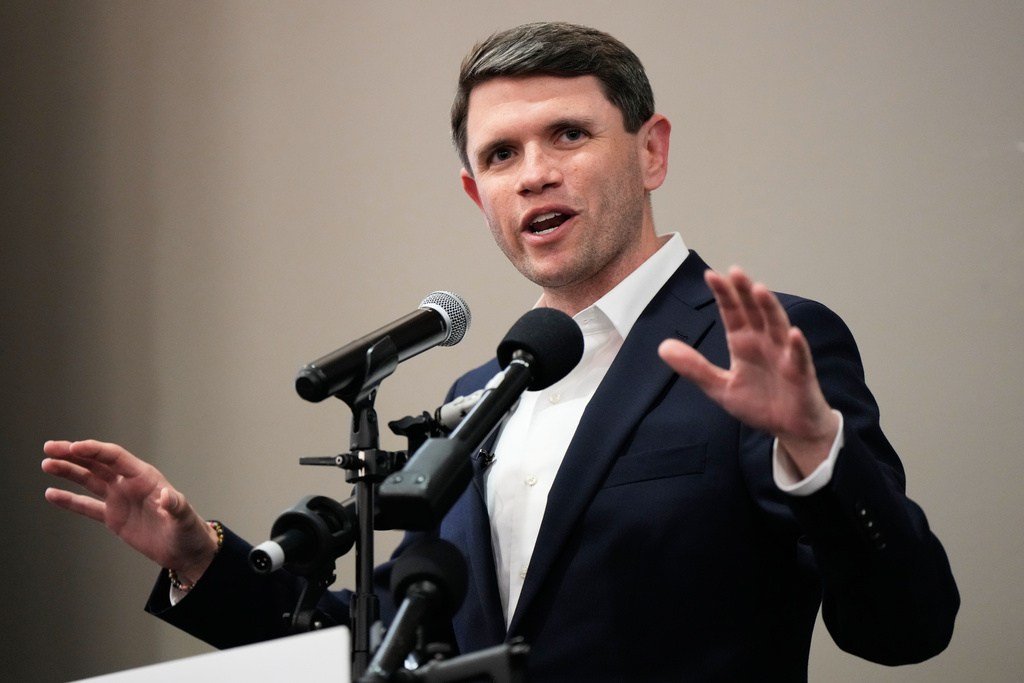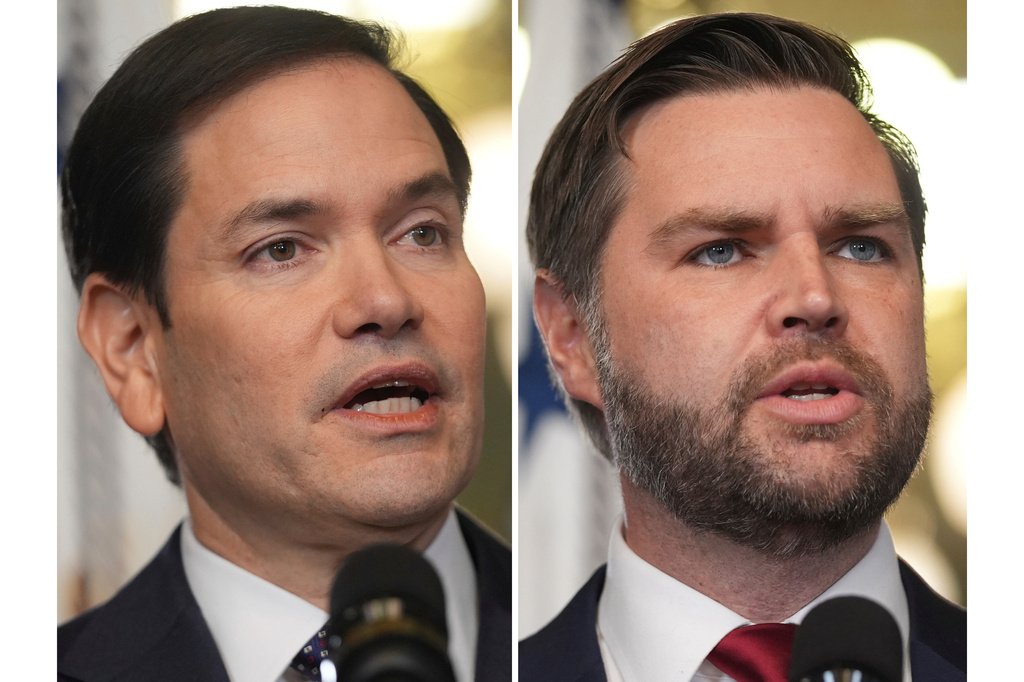
The 2028 Republican presidential primary is barely off the ground, but the field is already narrow and uninspiring. Only two names have emerged as serious contenders: Vice President JD Vance and Secretary of State Marco Rubio. With the official election cycle beginning in just four months, the race feels more like a coronation than a contest, and former President Donald Trump is expected to play the decisive role in picking the winner.
Recent polling underscores the dynamic. A pair of national surveys last month showed Vance leading Rubio among Republican primary voters, 42 percent to 15 percent. An end-of-June poll put Vance at 35.4 percent, with Rubio at 16.5 percent. No other prospective candidate reached double digits. Yet both men carry significant baggage: a mid-June Navigator Research study found that 52 percent of registered voters viewed Vance unfavorably, compared to 40 percent for Rubio. Trump himself sits at 58 percent unfavorable, but his grip on the GOP base remains ironclad.
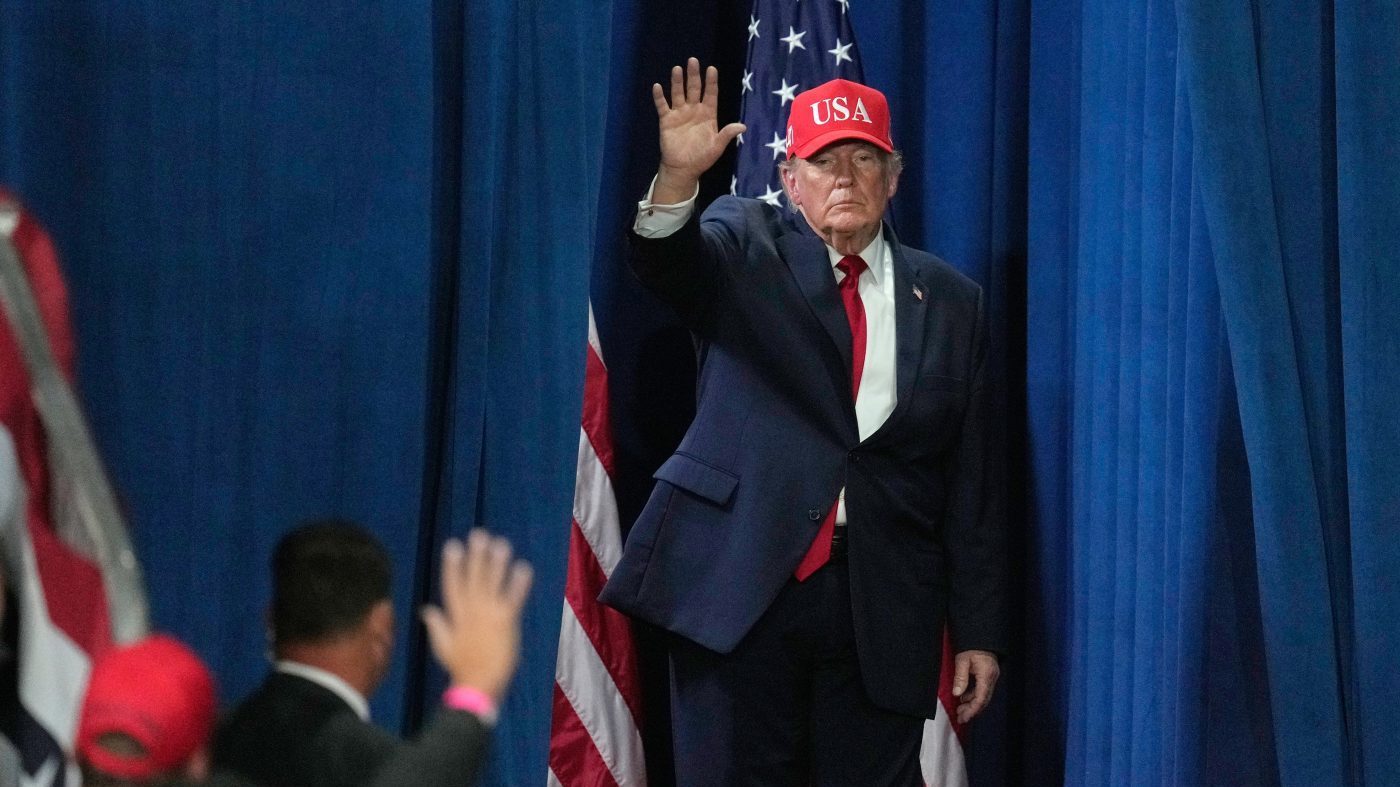
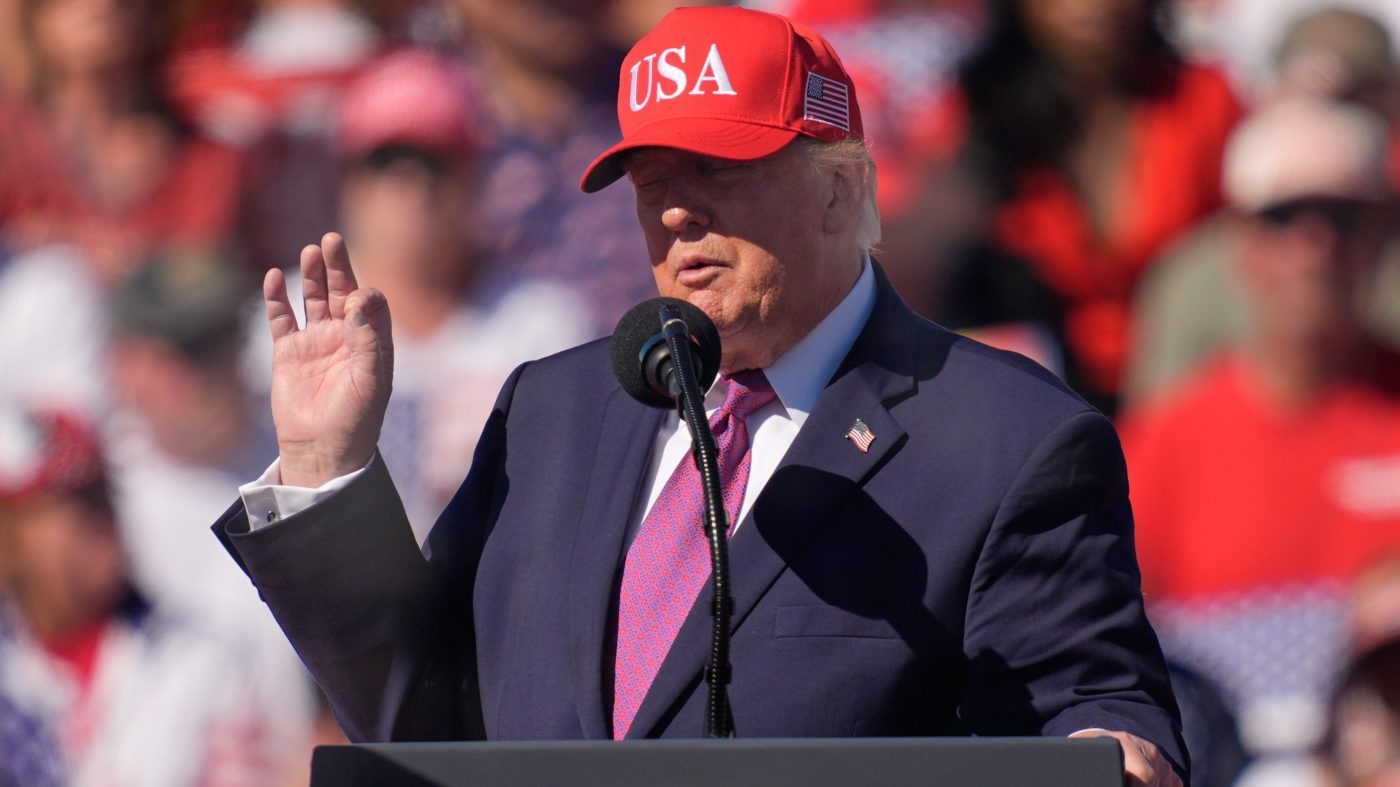
Trump's influence is already shaping the race. Insider reports indicate he is leaning toward Vance, though neither candidate enjoys broad popularity. The former president has a history of testing loyalty, and he is expected to throw obstacles into the primary—what one Hill headline called a joke about blaming Vance if an Iran deal fails. Vance himself acknowledged the dynamic in May, saying he didn't think Trump would hold a televised competition to choose his successor, a comment that belied Trump's well-known love for the spotlight and his reality show, The Apprentice.
The core issue is Trump's reluctance to cede power. His successor must mirror his strength and toughness, yet his job approval rating has hovered around 40 percent, a level that historically spells trouble. The last vice president to win a third term was George H.W. Bush in 1988, riding on Ronald Reagan's 52.5 percent approval. For the 2028 nominee, winning Trump's third term will require near-divine intervention—or a series of game-changing events.
One such scenario: Vance becomes president before the 2028 election. If he ascends to the Oval Office, he would have to leverage incumbency to win a full term, a path last taken by Gerald Ford, who lost to Jimmy Carter in 1976. Vance could also pick a running mate early, possibly Donald Trump Jr., in exchange for a secret endorsement from Trump. Alternatively, Vance might decline to run altogether, citing the toll on his family and a desire to wait for a cycle free of Trump's shadow.
Rubio, meanwhile, could resign from the administration to launch his own bid, distancing himself from Trump and pursuing his dream of becoming the first Hispanic president. A disastrous 2026 midterm election could also upend the race, leaving Trump as a weakened lame duck and opening the door for a host of anti-Trump candidates, including a billionaire or celebrity.
For now, the conventional wisdom that the 2028 GOP ticket will include Vance, Rubio, or both is premature. As recent political history shows, anything can happen. Trump, now 80, remains the central figure, turning the race into a kingmaker game show he produces and stars in—until voters decide to say, “You’re fired!”
Related coverage: House Republicans demand WNBA probe into Caitlin Clark's on-court treatment and Georgia runoff shows Republican voters still think for themselves.