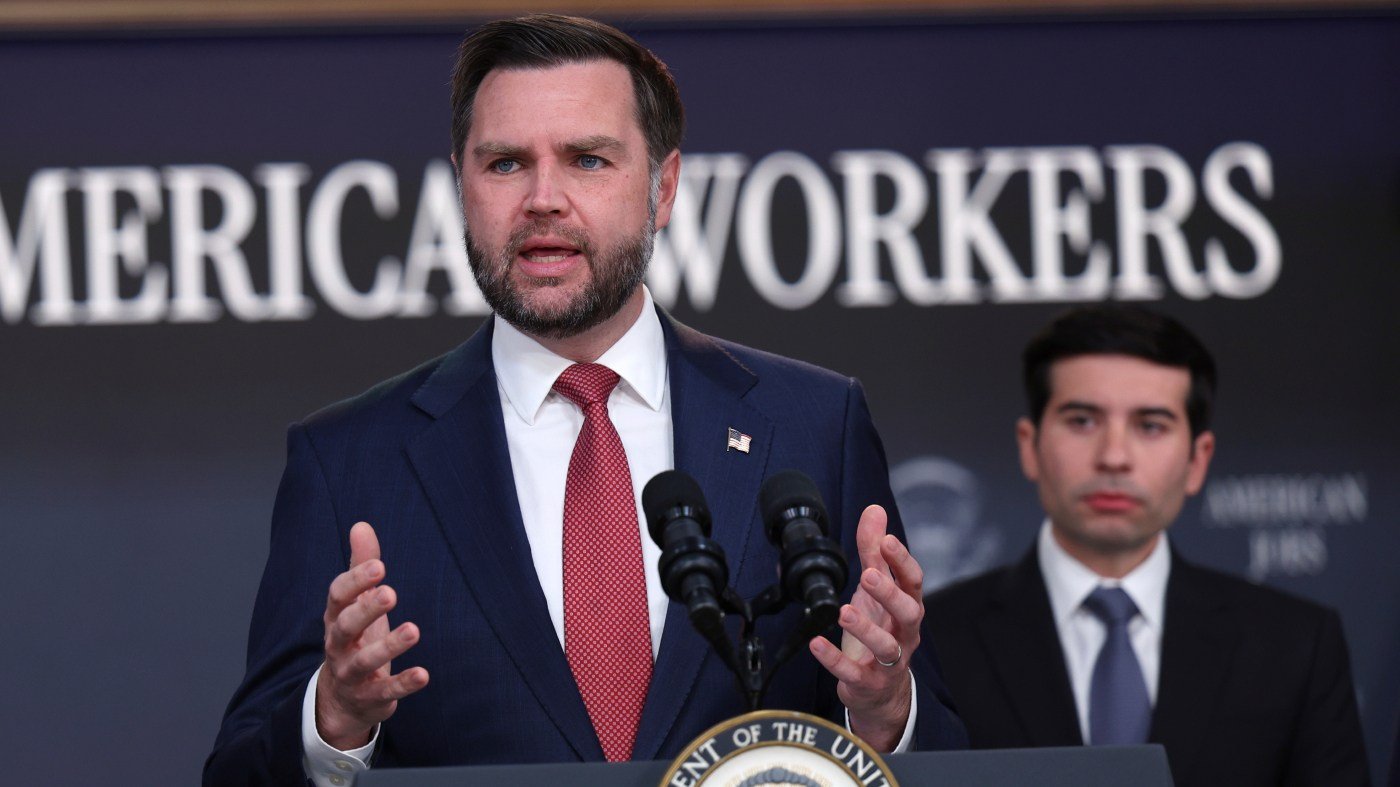
House Republicans are seething with frustration as internal divisions have ground legislative progress to a halt, leaving the party with a sparse list of achievements to sell to voters ahead of the August recess. Hardline conservatives, angered by the stalled SAVE America Act and what they see as leadership's failure to bring a border security bill to the floor, effectively paralyzed House business just before the Fourth of July break.
The standoff forced GOP leaders to postpone action on the annual National Defense Authorization Act (NDAA) and multiple government funding bills, while also complicating efforts to pass a third budget reconciliation package and renew the government's warrantless surveillance powers under Section 702 of the Foreign Intelligence Surveillance Act (FISA). With lawmakers returning next week, Speaker Mike Johnson (R-La.) has yet to outline a clear strategy to break the impasse, leaving flagship Republican priorities in limbo.

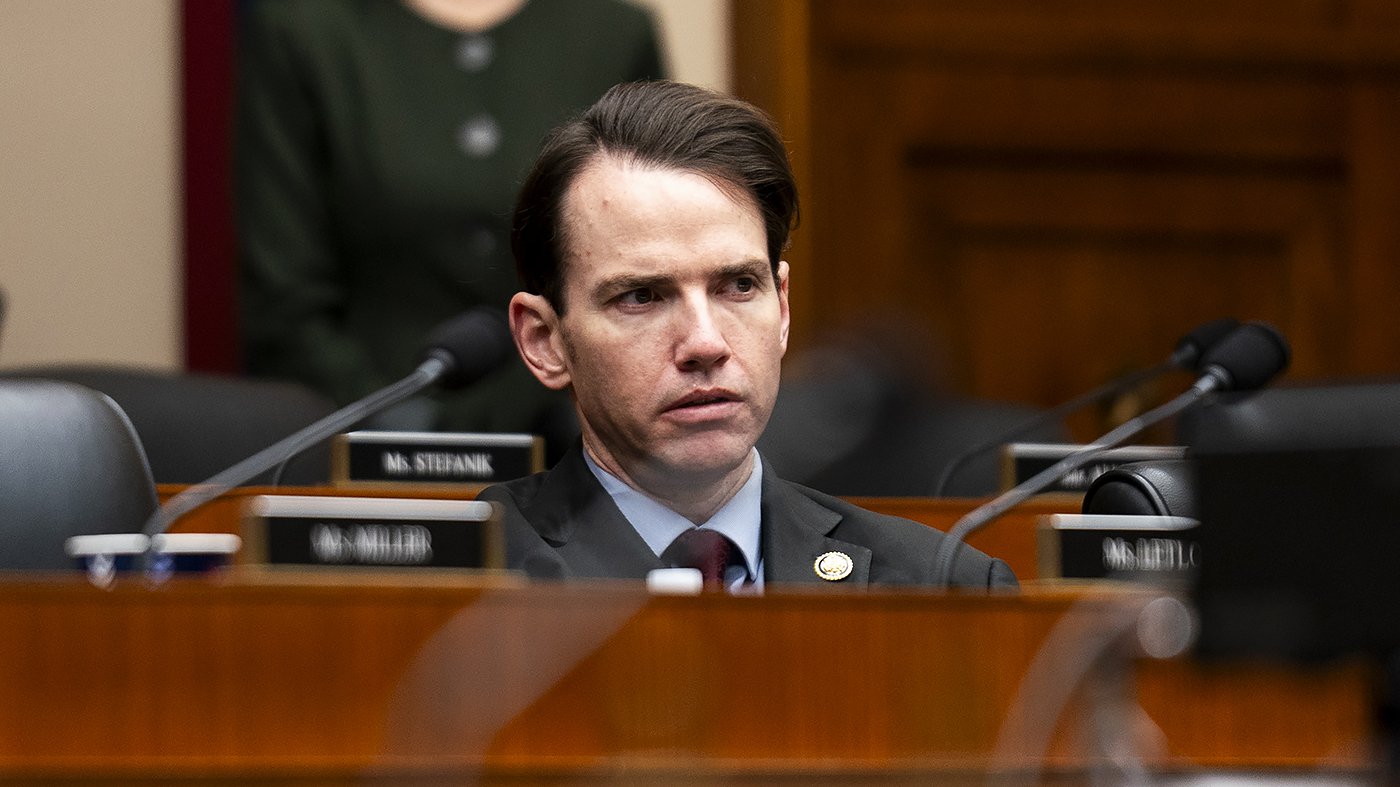
The clock is ticking: Republicans have only two weeks to advance these measures before they leave Washington for a month-long August recess, during which they must convince constituents that the GOP is delivering on affordability and national security. Representative Kevin Kiley (I-Calif.), who caucuses with Republicans, voiced the growing exasperation: “Of course, it's frustrating, and you know it's frustrating for me, but more importantly, it's frustrating for the American people who are not getting the government that they deserve when you have this just utter gridlock paralysis, inability to pass legislation vital to our national security.” He added that the paralysis underscores the limits of party-line governance: “If these items were bipartisan from the inception, then you wouldn't be in a situation where a few members could derail the bill for reasons completely unrelated to the legislation at issue.”
At the center of the turmoil is Representative Anna Paulina Luna (R-Fla.), who has vowed to oppose the procedural rule needed to bring the NDAA to a final vote unless the SAVE America Act is attached. She is also pressing Senate Majority Leader John Thune (R-S.D.) to reform the filibuster to pass the border measure. Representative Don Bacon (R-Neb.), who is retiring, criticized the tactic: “It makes no sense to paralyze the House to pressure the Senate to pass the SAVE Act. We need to pass both and now both are delayed. It's just a dumb strategy that weakens the House GOP and no one is more thrilled than Hakeem Jeffries.” Asked about the risk of failing to pass both bills before the recess, Bacon warned: “If the low IQ strategists continue to derail the House… then yes.”
The gridlock has also ensnared the reauthorization of Section 702, a critical national security tool. Representative Brian Fitzpatrick (R-Pa.) took to X to warn that “the extremists from both parties” stalling the measure “are putting our nation at grave risk of another terror attack.” He urged colleagues to “put your differences aside and reauthorize this most critical and most essential national security tool, before it's too late.” The House has only passed two of twelve annual appropriations bills for fiscal 2027, leaving a narrow window to complete the remaining work before government funding expires at the end of September.
Meanwhile, Republicans are hoping to advance a third reconciliation bill focused on defense spending, fraud prevention, and affordability initiatives, but some lawmakers are increasingly pessimistic about its prospects as the legislative calendar shrinks. Without additional victories, the GOP has largely campaigned on President Trump's One Big Beautiful Bill Act (OBBBA) and a bipartisan housing package awaiting his signature, along with localized measures. However, the OBBBA has become a political liability for some, drawing pointed criticism from constituents.
This week, Representative Mike Flood (R-Neb.) faced boos after defending the OBBBA at a town hall, arguing that “We protected a system that, if it had gone unchecked, it would not have been long term available for the very people that are the most vulnerable — the developmentally disabled, the persistent mentally ill, people that are of advanced age.” The confrontation highlights the broader challenge for Republicans as internal strife and a thin legislative record threaten to undermine their campaign message. For more on the escalating GOP rift, see how rogue Republicans have joined Democrats to bypass leadership on floor votes, and the earlier paralysis over voter ID disputes that foreshadowed this crisis.