House Republican leaders are sending lawmakers home early for the second consecutive week, after a faction of GOP rebels once again paralyzed floor action on Tuesday by blocking a procedural vote on the National Defense Authorization Act (NDAA). Two GOP sources confirmed that the chamber will adjourn following votes at 5:15 p.m., scrapping scheduled sessions on Wednesday and Thursday. The House already had a planned recess next week and is set to reconvene on July 13.
The rebellion centers on the Safeguard American Voter Eligibility (SAVE) Act, a bill championed by President Trump that would require voter ID to cast a ballot and proof of citizenship for voter registration. The House has passed the measure multiple times, but it remains stalled in the Senate, where most major legislation needs 60 votes to advance. Trump and his allies have pressured Senate Majority Leader John Thune (R-S.D.) to upend chamber traditions to force the bill through, but Thune has said there isn't enough GOP support for such a move.
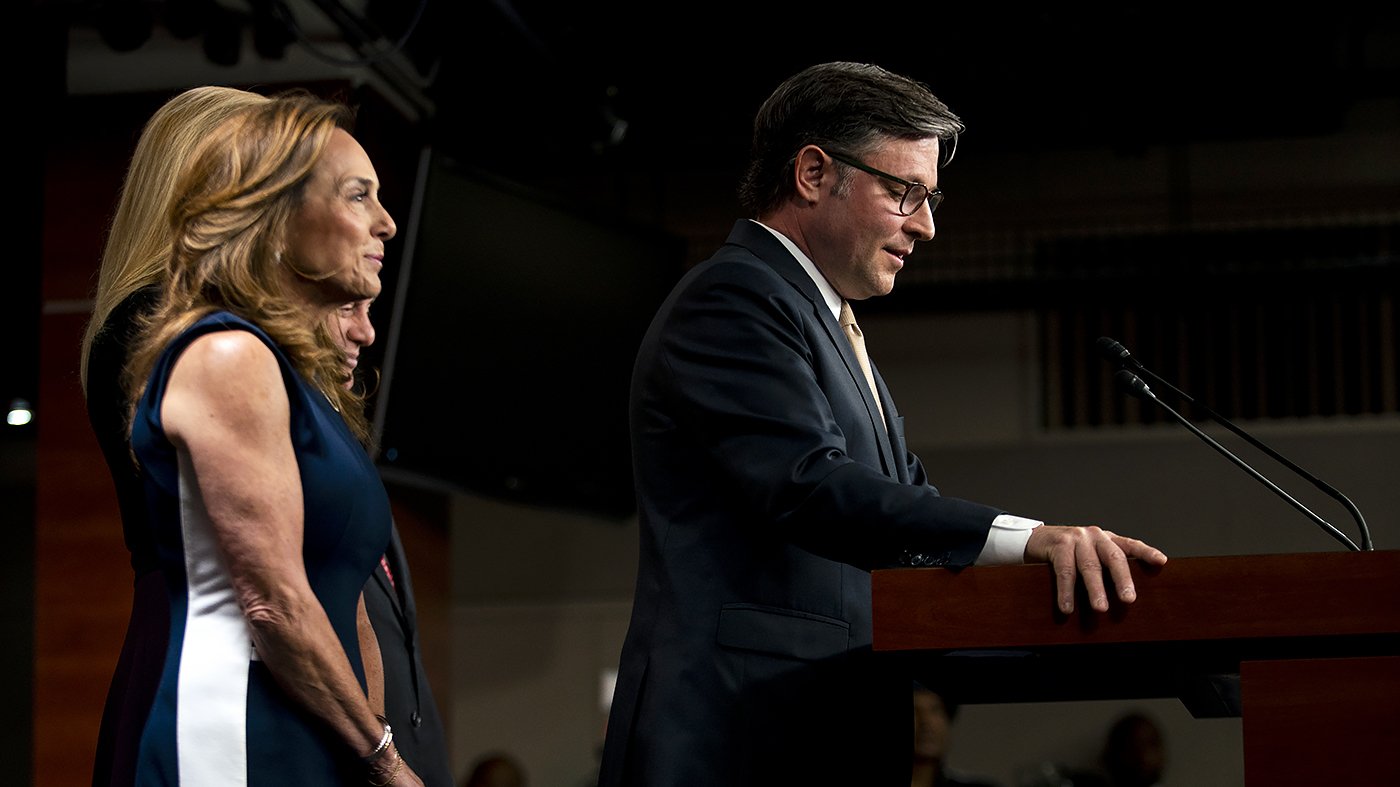
Speaker Mike Johnson (R-La.) voiced frustration with the blockade, arguing that punishing the House over Senate inaction is counterproductive. “It makes no sense for us to stop our very important progress forward from House Republicans, because some Senate Democrats are refusing to do their job,” Johnson told reporters after Tuesday's procedural vote. He warned that the tactic is self-defeating, as it stalls Republican priorities like defense funding.
The rebels, led by Rep. Anna Paulina Luna (R-Fla.), are using must-pass legislation as leverage. Last week, they blocked two regular funding bills. This week, they targeted the NDAA, a critical defense policy bill. Luna had proposed an amendment to fold the SAVE Act into the NDAA, but Johnson backed an unusual procedural move to merge the two bills as they are sent to the Senate, arguing an amendment was unnecessary.
Luna rejected that approach, insisting that adding the voting measures to the base text would give Republicans a stronger hand to jam the Senate. “I know procedure. I’m not stupid. I’m going to fight on behalf of the American people,” Luna said after the vote. Her stance has drawn support from hardline conservatives who see the voter ID bill as a top priority, even as it risks derailing other GOP agenda items.
Frustration is mounting on both sides of the impasse. Some Republicans worry that the repeated floor blockades are damaging the party’s legislative record and handing Democrats a political weapon. Others, however, argue that the fight is necessary to force Senate action on an issue that resonates with the GOP base. The standoff has also exposed fractures between House and Senate Republicans, with Thune resisting calls to bypass procedural norms.
The early recess marks a notable setback for Johnson, who has struggled to unite his conference amid narrow margins and internal divisions. The recent paralysis on the House floor underscores the challenge of governing with a slim majority, where a handful of members can grind legislative business to a halt.
With the House now out until mid-July, the fate of both the NDAA and the SAVE Act remains uncertain. Senate leaders have shown little appetite for taking up the voter ID bill, and the defense authorization process could face further delays. The standoff highlights the ongoing tug-of-war between party pragmatists and hardline conservatives, a dynamic that has defined this Congress.