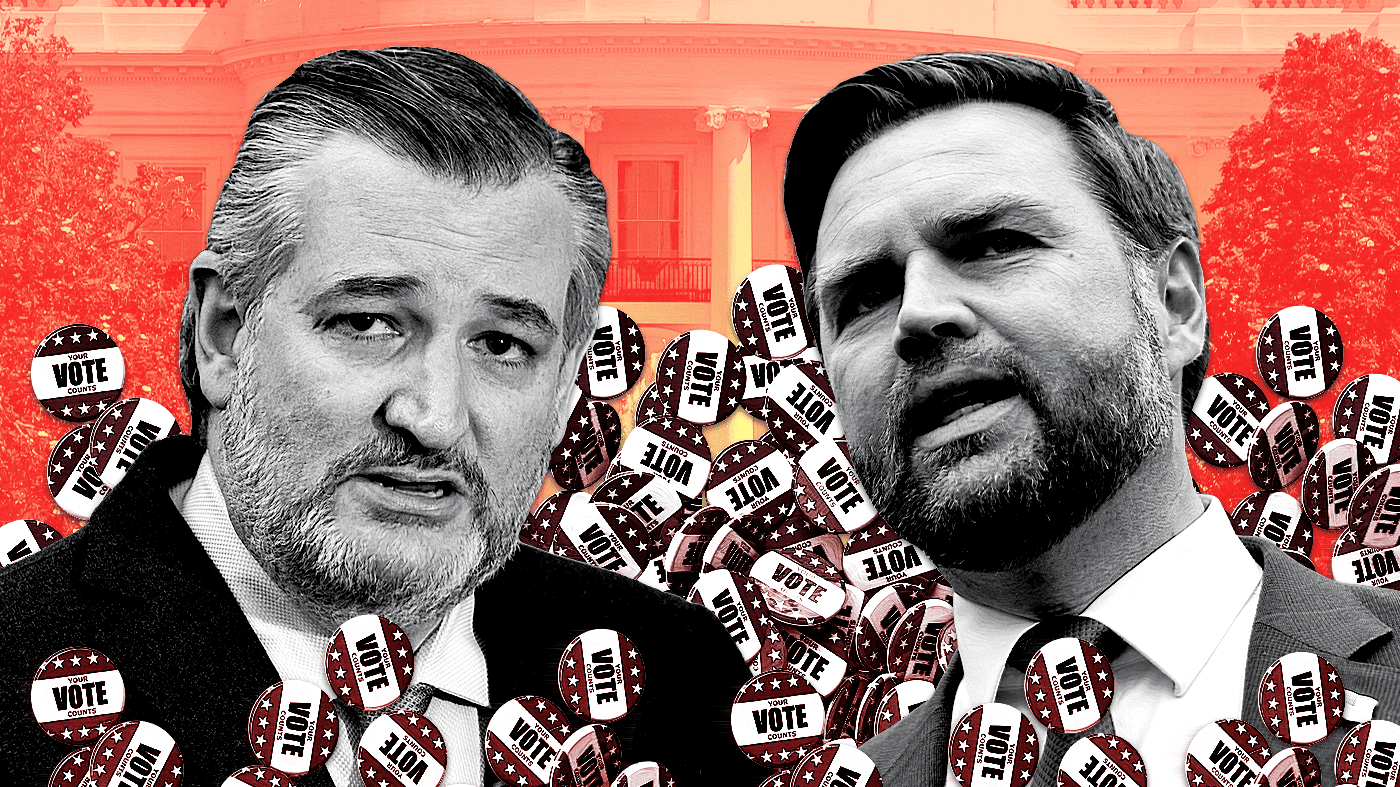
President Donald Trump is escalating his campaign to prevent Democrats from winning control of Congress in the upcoming midterm elections, employing a mix of incendiary rhetoric, voter suppression efforts, and unsubstantiated fraud allegations that have sparked fears of a constitutional crisis.
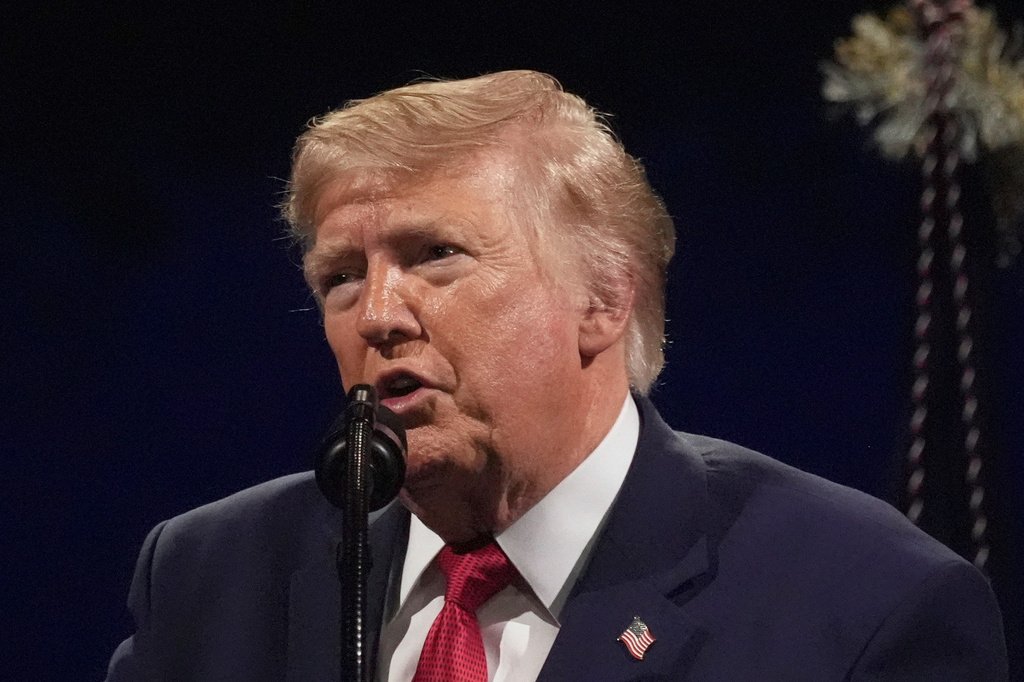
At a recent event with right-wing evangelicals, Trump described Democratic primary winners as “animals” and warned of a “horrible threat of cancer … called communism.” The Washington Post characterized his language as “dehumanizing” and reminiscent of 1950s “redbaiting” tactics that led to the Senate censure of Senator Joseph McCarthy.
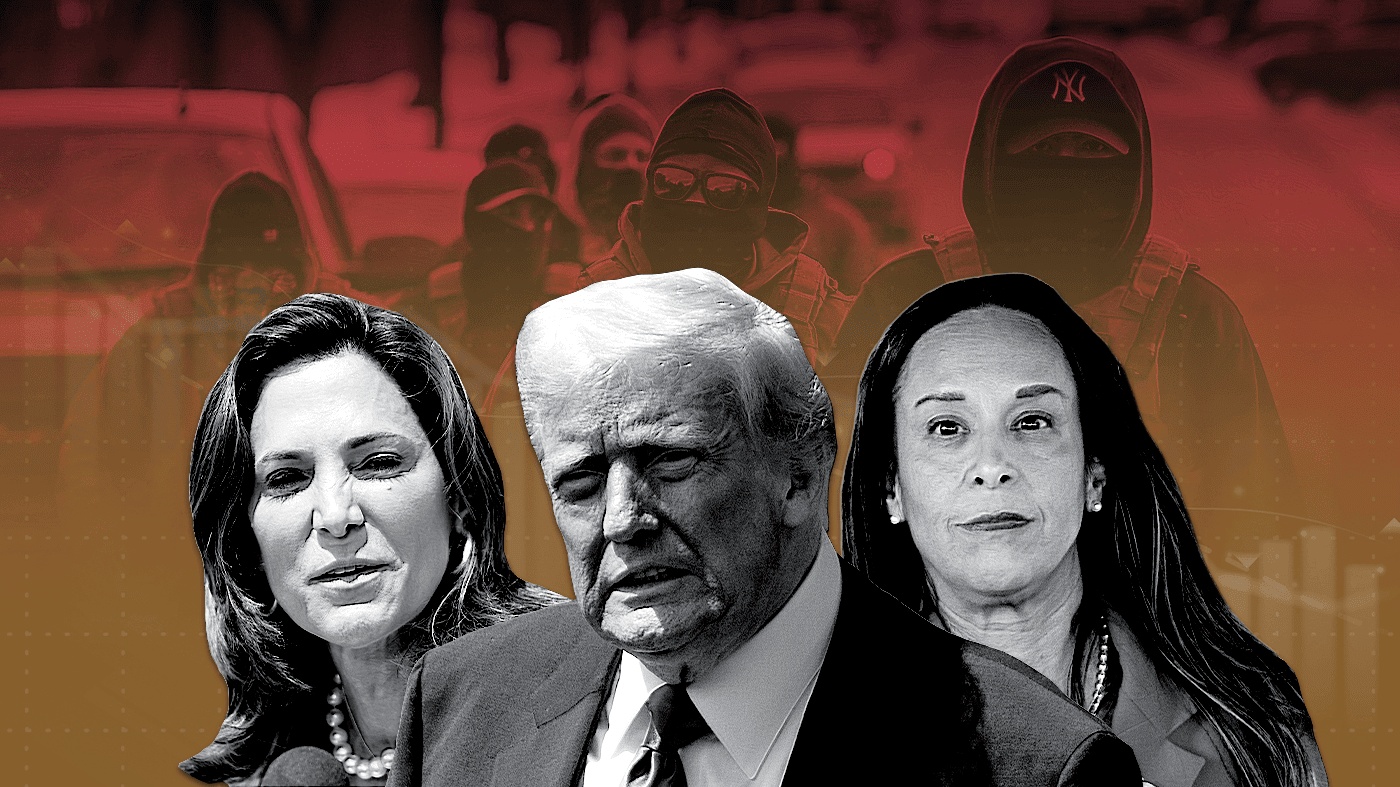
With a Fox News poll showing his disapproval rating at 61 percent, Trump is desperate to halt the Democratic momentum. RealClearPolitics polling indicates Democrats hold roughly a 5-point advantage in generic congressional balloting. The president has even floated the idea of a national Republican convention before the election to shift the narrative.
Senator Elissa Slotkin (D-MI) warned last month that Trump is prepared to “deny the results of midterms if they do not go his way,” urging voters not to be intimidated. Her prediction proved prescient when Trump refused to sign a bipartisan affordable housing bill, instead pushing Congress to pass the SAVE Act, which would impose stricter voter ID requirements—a move critics say is designed to depress turnout among Democratic-leaning voters.
Congressional Republicans lack the votes to pass the SAVE Act, but Trump appears to relish the resulting deadlock and the focus on election fraud. The House left for an early July 4 recess without passing a defense policy bill, a sign of the dysfunction driven by the president’s fixation.
Trump has also pressed Republican state legislators to redraw congressional districts mid-decade, a practice enabled by the Supreme Court’s weakening of the Voting Rights Act. That ruling has allowed white Republican lawmakers to dismantle majority-Black districts that typically elect Democrats, inflaming racial tensions. Additionally, the president has pushed the Justice Department to grant him access to voter registration rolls to scrutinize voters he deems ineligible.
Trump continues to deny his 2020 election loss, a claim most Republican voters now reject. He has also pardoned supporters who stormed the U.S. Capitol to block certification of that election. Earlier this year, he told Reuters, “When you think of it, we shouldn’t even have an election,” a comment that now seems less like hyperbole and more like a warning.
On Capitol Hill, a growing number of insiders on both sides are speculating that Trump will pressure Speaker Mike Johnson (R-LA) to refuse to seat Democratic winners in contested districts. This fear is not baseless: Johnson already delayed the swearing-in of Representative Adelita Grijalva (D-AZ) for nearly two months after her special election win, ostensibly to shield Trump from the release of files related to his ties to Jeffrey Epstein. More recently, Johnson amplified Trump’s baseless allegations of voter fraud in California.
The scenario being discussed is that Democrats win enough competitive House races to claim a majority, but Johnson cites bogus fraud claims or unresolved disputes to delay seating members from closely contested districts. The fight would then land before the Supreme Court’s conservative majority, which has already shown a willingness to shield Trump from accountability. With Democrats poised to wield subpoena power if they take the House, Trump has every incentive to let Republicans in Congress and the Court decide the outcome.
Comedian Bill Maher captured the absurdity during an interview with Vice President JD Vance: “Under Trump, you guys have two outcomes an election can be: Either we win, or they cheated. That s--- has to stop.” Maher is right. The nation, now marking its 250th anniversary, faces the “sum of all fears”—a constitutional crisis that could test the American experiment like never before.