A majority of Americans remain dissatisfied with President Trump's approach to the Iran conflict, even after he signed a tentative agreement to end hostilities, according to a new AP-NORC poll released Thursday.
The survey, conducted from June 11-17—after Trump called off military escalation but before he officially inked a memorandum of understanding with Tehran—found that 65% of U.S. adults disapprove of his handling of the issue.
Disapproval was driven overwhelmingly by Democrats and independents. Ninety-two percent of Democrats and 76% of independents gave Trump negative marks on Iran. Among Republicans, only 28% voiced disapproval, though that figure has ticked up slightly from 30% in May, when overall disapproval stood at 64%.
The low ratings come as the U.S. and Iran enter a 60-day negotiation window over Tehran's nuclear program and control of the Strait of Hormuz. Trump's MOU, signed Wednesday, outlines a path toward peace and reopening the key oil shipping channel. But the deal has drawn fire from both sides of the aisle.
Senate Armed Services Committee Chair Roger Wicker (R-Miss.) said he's “concerned” the agreement “negotiates away the victories of Operation Epic Fury” and risks undermining Trump's stated goals. “The Iranian regime has not renounced its ultimate goal—'Death to America, Death to Israel,'” Wicker warned. “The regime will invest every penny it receives to further that aim.”
Sen. Joni Ernst (R-Iowa) told reporters Thursday she needs assurances that U.S. taxpayer dollars won't fund Iran's reconstruction. “I have to know where that money is coming from because I don't think my constituents are going to be really happy about it if that's all U.S. taxpayer dollars,” she said. “If it is their money that we are releasing, that might be a different story.”
The MOU includes provisions to lift sanctions and provide Iran with a $300 billion reconstruction fund—a point that has sparked bipartisan criticism. Senate Majority Leader Chuck Schumer (D-N.Y.) slammed the deal as “the art of the surrender,” while some GOP lawmakers worry the fund could be used to rebuild Iran's military.
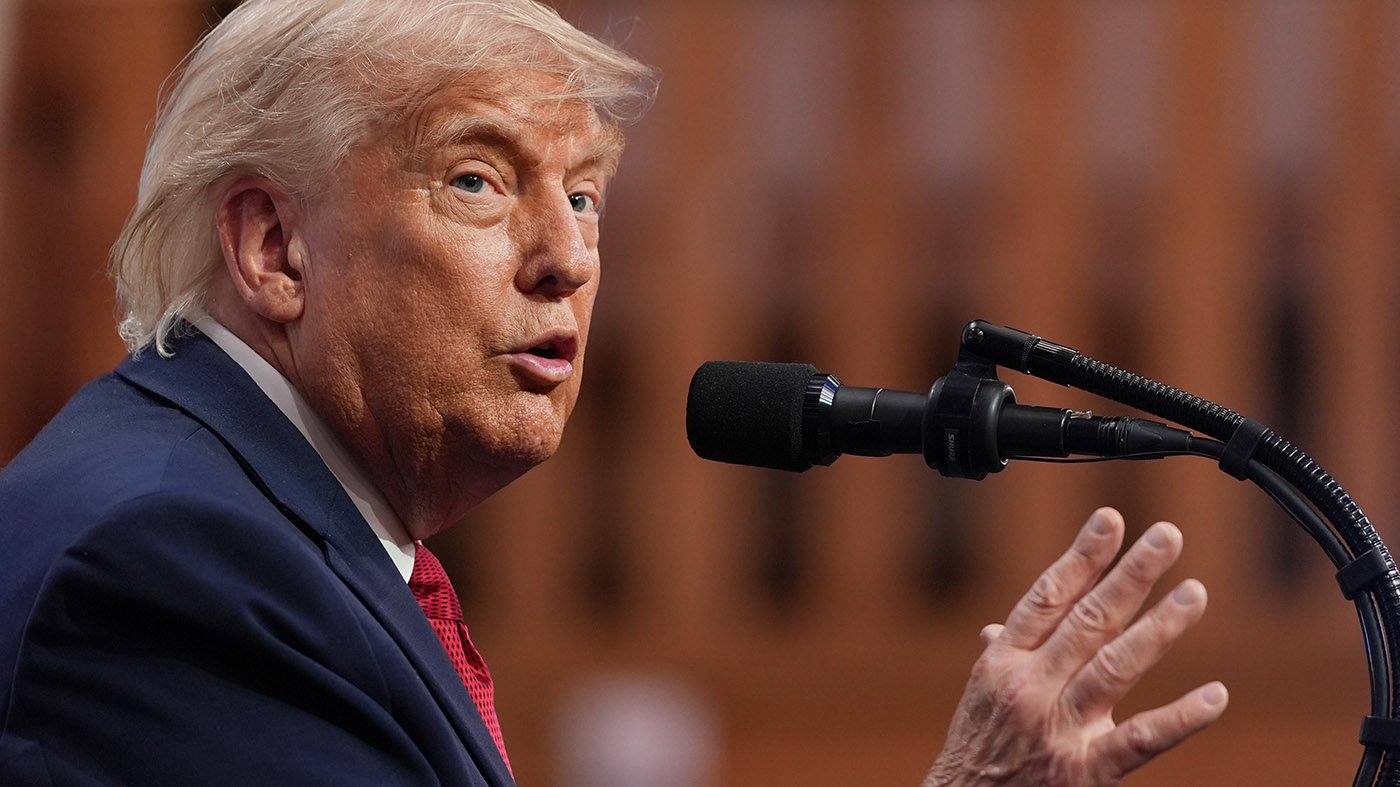
Trump defended the agreement on Truth Social Friday, writing that “the War has diminished Iran!” and claiming Tehran no longer has an air force, navy, or antiaircraft capabilities. He insisted Iran's leadership “are FINISHED!” and that “they get no money, not ten cents!” despite the MOU's reconstruction provisions.
The poll surveyed 3,040 adults with a margin of error of about 2.8 percentage points. GOP senators remain wary of the $300 billion fund, and the 60-day clock is now ticking on negotiations over nuclear, missile, and regional issues. The MOU also sets the stage for talks on Lebanon and other flashpoints.
With approval ratings stuck in the low 30s on Iran, the White House faces an uphill battle to sell the deal to a skeptical public—and to its own party.