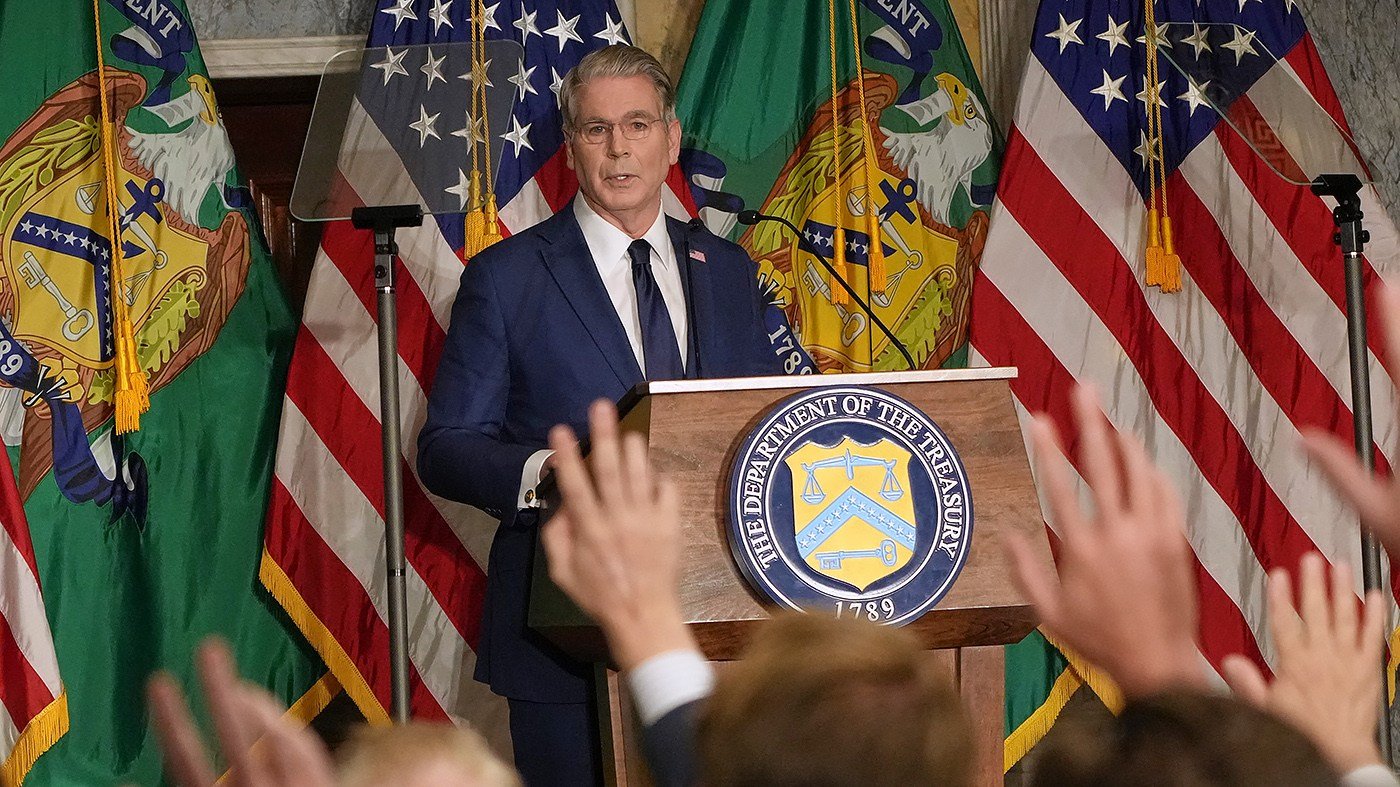
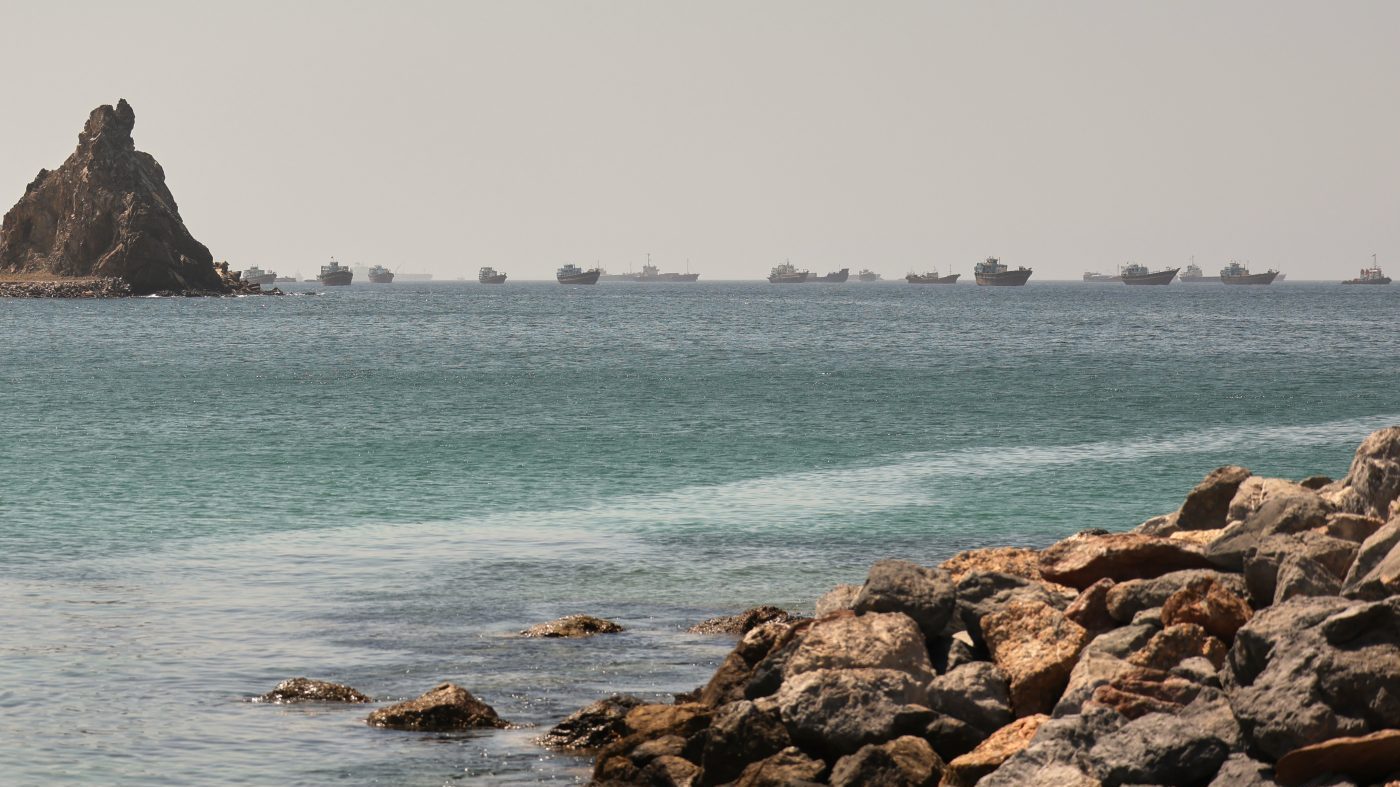
The Trump administration has pivoted to economic warfare in its campaign against Iran, launching what it calls "Operation Economic Outcast" after months of military and diplomatic efforts failed to break Tehran's resolve. The new strategy, unveiled Monday by Treasury Secretary Scott Bessent, combines sweeping sanctions with a naval blockade of the Strait of Hormuz, a move that some analysts see as a renewed push for regime change by other means.
The shift comes 181 days after the start of "Operation Epic Fury," which transitioned into a fragile cease-fire on day 38. President Trump's initial military campaign decimated Iran's conventional forces but failed to dislodge the Islamic Revolutionary Guard Corps (IRGC), the regime's center of gravity, which retains control through its Basij paramilitary. Diplomatic efforts, including back-channel talks with Foreign Minister Abbas Araghchi and even IRGC commander Maj. Gen. Ahmad Vahidi, also stalled, as hard-liners refused to cede ground on the Strait of Hormuz or their nuclear ambitions.
On Truth Social, Trump promised an "Economic D-Day," vowing to wield "economic warfare and isolation on an unprecedented scale." Bessent amplified the threat, stating, "This is going to be the greatest coordinated economic isolation in the history of the world. And we are going to them and saying you are either with us or against us." The administration expects allies and rivals alike to join the campaign, a demand that has already drawn skepticism from Beijing.
China's foreign ministry spokesman Lin Jian said sanctions and pressure would not resolve the conflict, urging "all relevant parties to take responsible measures and resolve the problem through political and diplomatic means." Iran's foreign minister dismissed the move as a distraction, warning it would backfire.
The economic offensive is designed to replicate the conditions that sparked nationwide protests in January 2026, when the Iranian rial collapsed to historic lows, triggering unrest that began in Tehran's Grand Bazaar and spread to over 400 locations. Security forces responded with a brutal crackdown, killing an estimated 36,500 civilians and arresting more than 1,500. The rial has already plunged to 2.02 million against the dollar, and the administration appears to be betting that renewed economic pain will spur a similar uprising.
But critics question whether the White House has a plan to support and exploit such conditions. As retired Col. Jonathan Sweet and national security writer Mark Toth note, "Instruments of national power work best when used together." Trump, wary of nation-building after Iraq and Afghanistan, has hesitated to commit to a full-scale regime change operation, preferring to pressure the current leadership into a deal. Yet the new economic campaign suggests a willingness to push Tehran to the brink.
The administration's approach mirrors its broader strategy of applying maximum pressure, as seen in its shift to financial warfare and its handling of other international disputes. However, the effectiveness of this policy remains uncertain, especially as Iran's leadership shows no signs of capitulation.
With the Strait of Hormuz under blockade and the rial in freefall, the coming weeks will test whether economic isolation can achieve what military force could not. The world watches as Trump bets on the Iranian people to finish the job.