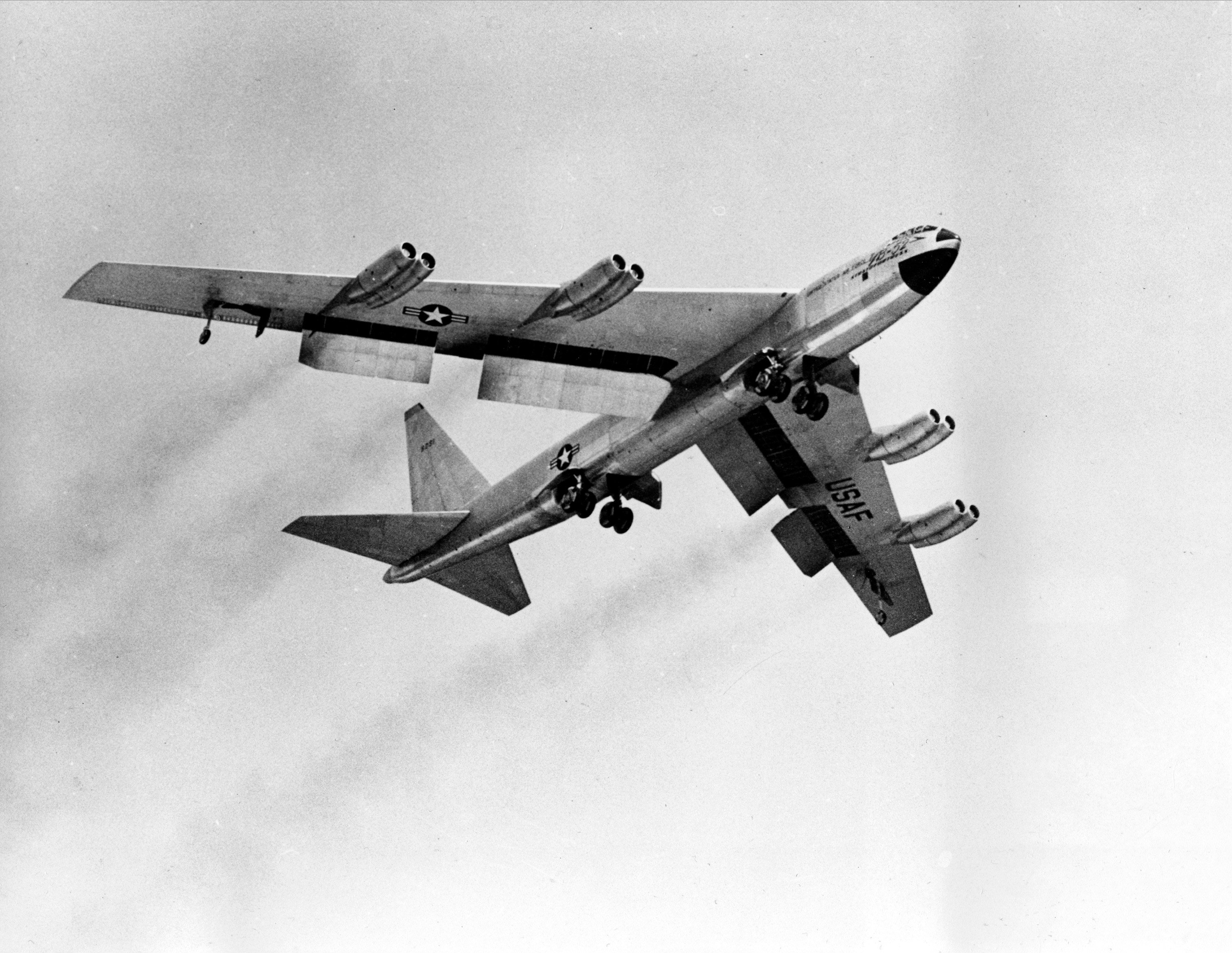
Iran's latest threats against Bulgaria have reignited debate over how far Tehran will go in directly attacking European territory to deter US allies from supporting military action against the regime. Bulgaria, one of Iran's largest trading partners in Eastern Europe, was reportedly on a list of potential targets if Washington escalated hostilities, according to a recent report in the Financial Times. The Balkan nation's strategic southeastern location and the presence of two US Air Force KC-135 refueling aircraft at Bezmer Air Base—supporting Operation Epic Fury—made it a plausible target.
Over the weekend, Bulgarian officials announced the departure of those tanker planes. On Monday, Iran issued a fresh warning to NATO members, asserting its right to strike "the point of origin and source of any act of aggression" against it. This follows similar threats to the UK, including a drone attack on a British base in Cyprus in March and two ballistic missiles fired at Diego Garcia, a joint US-UK facility in the Indian Ocean. In the same month, NATO air defenses intercepted several Iranian missiles aimed at Turkey.

While Iran clearly wants to project an image of readiness and capability to hit European targets, analysts remain skeptical that it truly seeks to drag NATO further into the conflict. "What's the bang they get for that buck?" asked Alan Eyre, a former head of the Iran office at the US Consulate in Dubai, now with the Middle East Institute. He acknowledged that Iran's Islamic Revolutionary Guard Corps, which is leading the war effort, might see utility in striking European targets, but added, "I don't think the juice is worth the squeeze in terms of antagonizing NATO. Attacking European targets doesn't get them anything extra than attacking Gulf targets doesn't get them."
David Cattler, a senior fellow at the Center for European Policy Analysis, echoed that view, saying an Iranian strike on a NATO ally would be a major escalation but a poor strategic trade for Tehran. "That would probably transform Europeans who largely have sought distance from the Iran war into active participants against the regime," he said.
President Trump has repeatedly criticized NATO members for not doing enough to help clear the Strait of Hormuz, which Iran moved to close shortly after the US and Israel launched their surprise attack in February. Cattler argues that Iran's immediate goal is coercion rather than direct confrontation. "The reality is Tehran doesn't need to fire a missile at Bulgaria to achieve an effect. Threatening the countries that provide the bases, logistic support, access to the United States is itself an attempt to raise the price of supporting Washington in an attempt to weaken allied cohesion," he told The Hill.
Iran's foreign ministry on Monday stated it has "no issue with the Bulgarian people," but stressed that "any action regarded as supporting U.S. and Israeli military aggression against Iran constitutes, under international law, participation in an act of aggression." The regime was referring to the Friday departure of the two KC-135 Stratotankers from Bezmer Air Base, which had been temporarily deployed to support Operation Epic Fury. Local residents are acutely aware of the danger; a woman at a grocery shop near the base told Al Jazeera, "I pray to God that our village won't be attacked."
Bulgaria lies roughly 2,000 miles from Iran, within striking range of Tehran's missiles—closer than Diego Garcia, which is about 2,350 miles away. The earlier missile attacks on Diego Garcia, though unsuccessful, changed European perceptions of Iran's reach. "Iran demonstrated substantially greater reach than many Europeans had previously had to factor into their defense planning," Cattler noted. "Even though they didn't hit, NATO did take note of that and described that development as relevant to allied security." He also pointed to NATO's assistance to Turkey in intercepting Iranian missiles as evidence of both preparedness and defensive response.
Meanwhile, the United States is shifting its strategy toward economic warfare. Trump last week warned of an "Economic D-Day" against Iran, and Treasury Secretary Scott Bessent on Monday announced Operation Economic Outcast, a global push to sever financial ties with Tehran or face exclusion from the US dollar system. Both Trump and Defense Secretary Pete Hegseth have said military options remain on the table if necessary, though concerns grow over dwindling US weapons stockpiles. Iran has remained defiant in the face of these pressures, and its threats against Bulgaria and other NATO members are a clear attempt to raise the cost of supporting Washington.