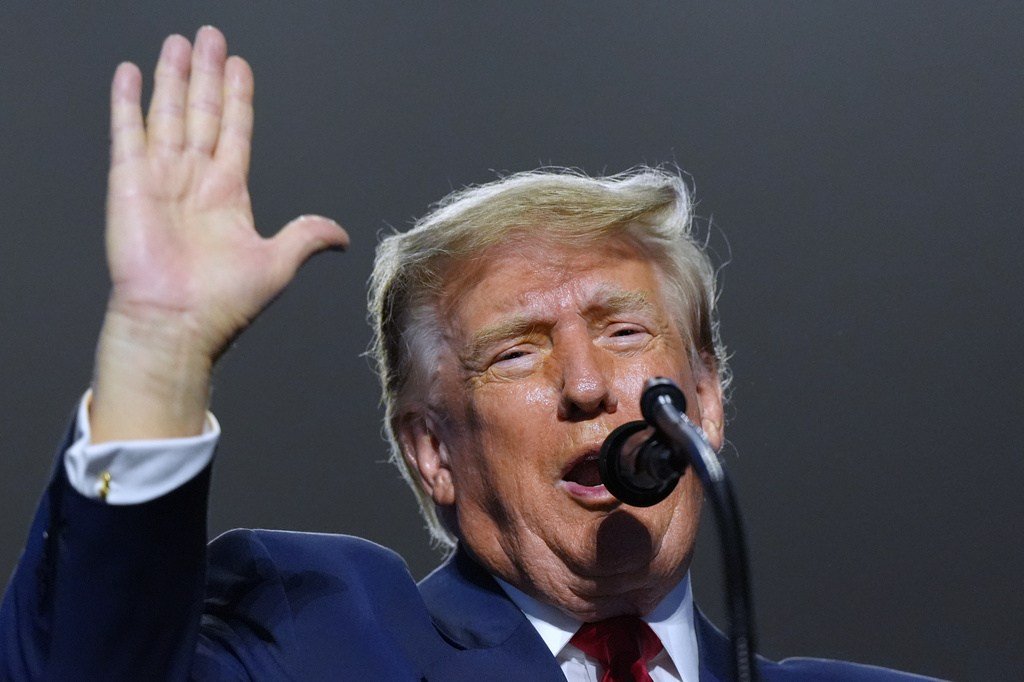
As the midterm elections draw closer, political analysts are questioning whether President Trump's latest overtures to white women—including $45,000 in personal gifts to three young female aides and a sweeping $5,000 payout promise—can overcome deep-seated voter frustration over inflation and the economy.
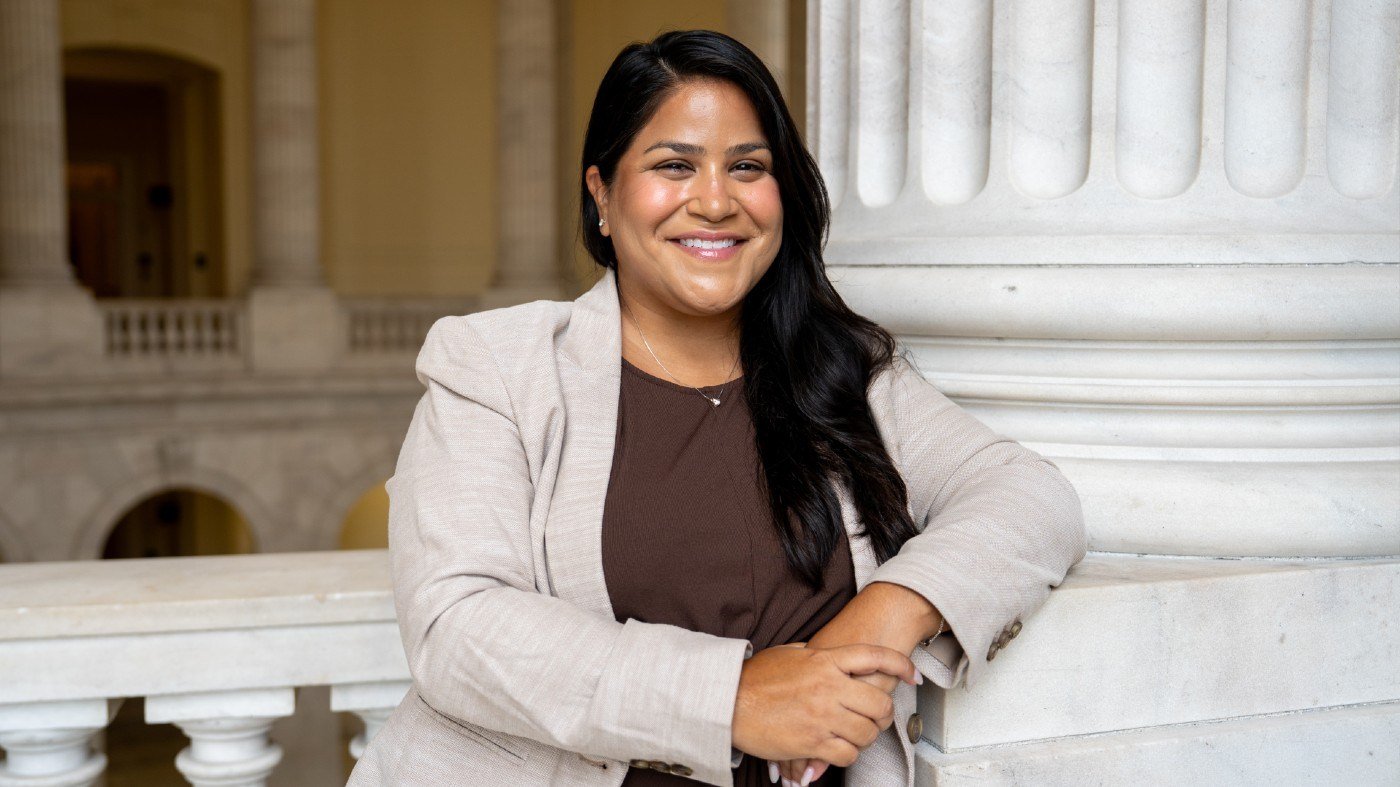
The president's financial gifts, first reported this week, went to aides who have been central to his image-building. One is credited with orchestrating the issuance of a gold coin bearing Trump's likeness—an unprecedented honor for a sitting president. Another trails him to capture flattering social media videos, while a third, Natalie Harp, is a constant presence who feeds him news updates and helps produce superhero-themed shorts. The revelation comes on the heels of a summer marked by Trump's legal defeat in a sexual abuse case, for which he paid $5 million, and a string of personal attacks on prominent female journalists, including Maggie Haberman, Shannon Bream, and Kaitlan Collins.
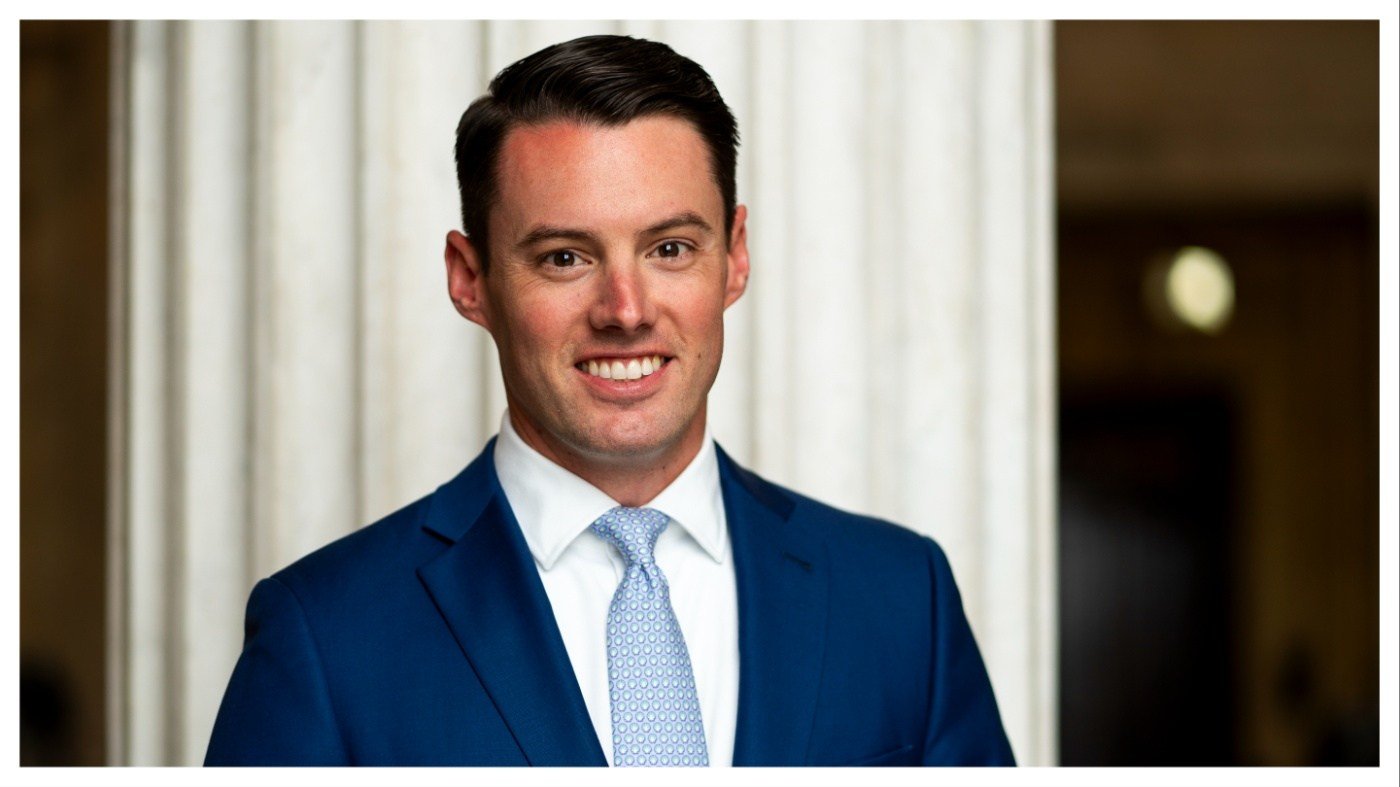
Sen. Jon Ossoff (D-Ga.) recently ignited controversy by suggesting Trump prioritizes time with Harp over addressing inflation and the Iran conflict. Ossoff told a rally that Trump prefers to "build his ballroom and travel with Natalie." Leaked letters from Harp to Trump reveal a deeply personal devotion, with lines like "You are all that matters to me" and calling him her "guardian and protector in this life."
Trump's history with white women voters is complex. While he has consistently won their support—white women backed him in 2016, 2020, and 2024—his margin among them has been narrower than among white men. In 2024, he famously pledged to "protect the women of our country," a line aides warned might come off as patronizing. Undeterred, he warned of "criminal migrants" crossing the border to "assault, rape and murder our women and girls," and told a Milwaukee crowd, "whether the women like it or not, I'm going to protect them."
This protector narrative has resonated most with white evangelical women. According to Kristin Kobes Du Mez of the Public Religion Research Institute, 68% of white women identify as Christian, and in 2024, two-thirds of them—and more than eight in ten white evangelical women—voted for Trump. Du Mez argues that these voters see Trump as a strongman who "surrounded himself with beautiful women, boasted of his wealth, reveled in crass displays of power and promised to use that power to 'protect Christianity.'"
Yet Trump's approval ratings are at new lows, and the economic reality is grim: high gas prices, soaring grocery costs, and a widening Middle East conflict. His recent attempts to deflect blame—calling Democrats "communists" and stoking culture wars over transgender athletes—may not be enough to distract families feeling the pinch. Last week, Trump tried a direct appeal, promising $5,000 to every family if Republicans retain control of Congress. The $1 trillion plan, however, has no legislative backing and could exacerbate inflation.
This is not the first time Trump has floated unfulfilled financial promises, such as the taxpayer dividend he claimed would come from tariff revenue. As the GOP grapples with the voucher plan's viability, even some Republicans are questioning the math. Rep. Mike Lawler has raised concerns about funding, and Rep. Mike Flood insists Pentagon spending must take priority.
The strategy also taps into a broader gender dynamic. While much attention has focused on Trump's appeal to young men via the online "manosphere," some analysts note that many women voted out of concern for their male relatives. Podcaster Scott Galloway observed that "if your son is in the basement, vaping and playing video games," issues like the Ukraine war feel distant. But the results of Trump's policies have not improved life for men or women, and the question remains whether vague promises and personal gifts to young women will sway white female voters in November.
As the midterms approach, the president's tactics appear increasingly desperate. "It smells of a man desperate for attention from women," said one political observer. Whether that desperation translates into votes—or backfires—remains to be seen.