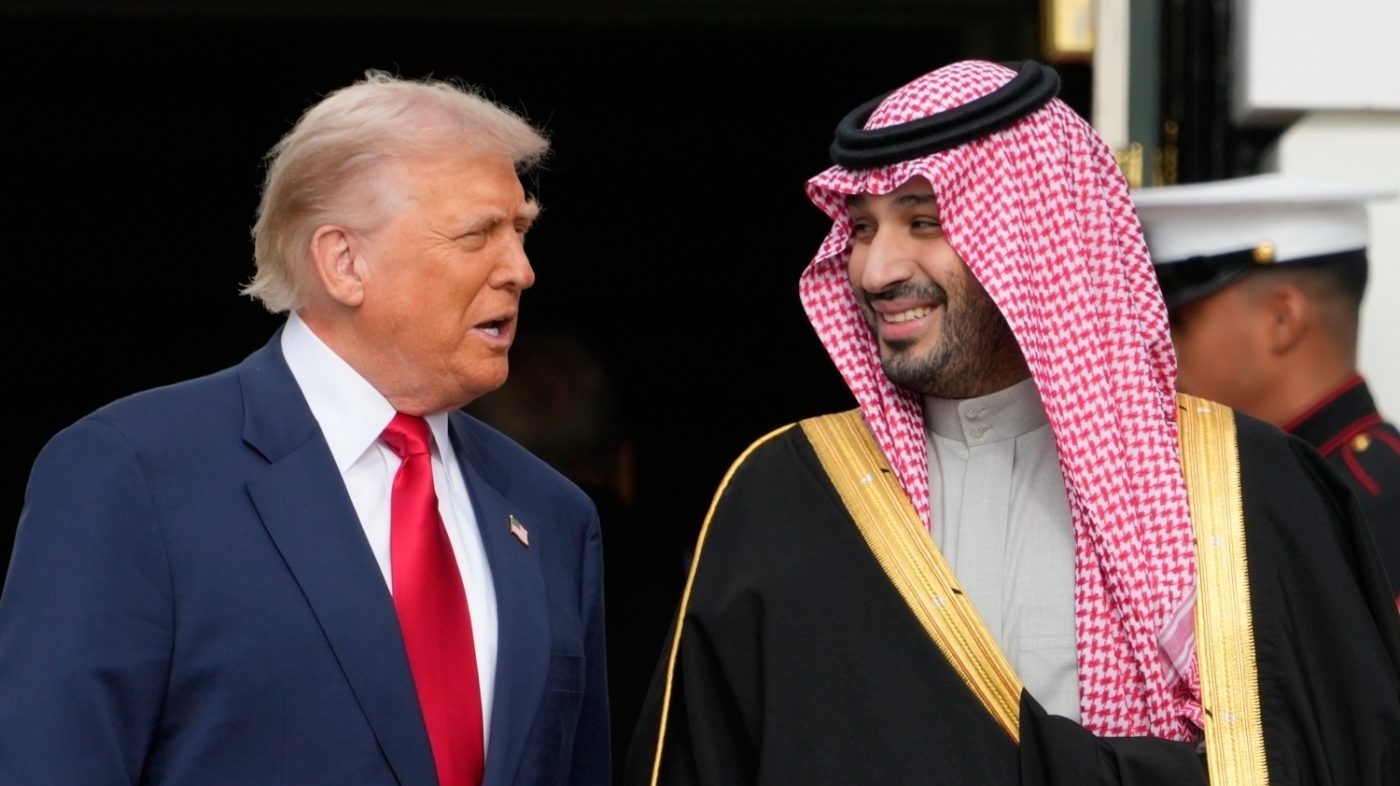
President Donald Trump on Monday pushed Gulf allies to sign onto the Abraham Accords, linking their participation to ongoing US-Iran negotiations aimed at ending hostilities in the Middle East. The demand comes as Washington and Tehran work toward a framework that would extend the current ceasefire and reopen the Strait of Hormuz, while setting the stage for broader discussions on Iran's nuclear program and possible sanctions relief. Both sides have cautioned that key details remain under negotiation.
In a series of posts on Truth Social, Trump stated that discussions with Iran were progressing well but insisted that any final deal must be either a great success for all parties or abandoned entirely. 'Negotiations with the Islamic Republic of Iran are proceeding nicely! It will only be a Great Deal for all or, no Deal at all — Back to the Battlefront and shooting, but bigger and stronger than ever before — And nobody wants that!' he wrote.
The president said he had spoken over the weekend with leaders from Saudi Arabia, Qatar, Pakistan, Egypt, Jordan, Bahrain, Turkey, and the United Arab Emirates. He argued that after the United States' extensive efforts to broker a complex regional settlement, it should be mandatory for all these countries to simultaneously sign onto the Abraham Accords. Trump acknowledged that the UAE and Bahrain were already members but pressed Saudi Arabia and Qatar to join first, urging others to follow.
'If they don't, they should not be part of this Deal in that it shows bad intension,' the president added, signaling that Gulf states that refuse to join the accords might be excluded from the emerging US-Iran agreement.
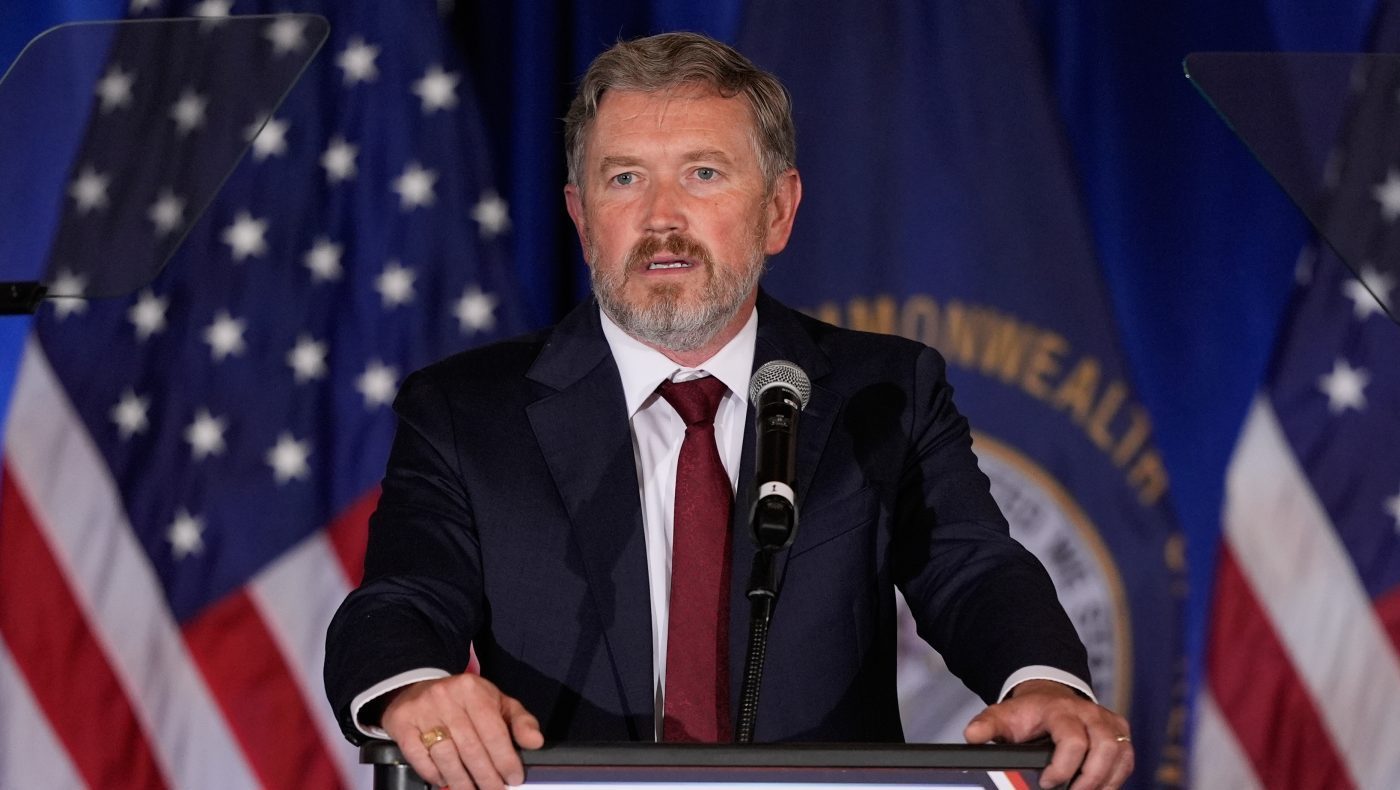
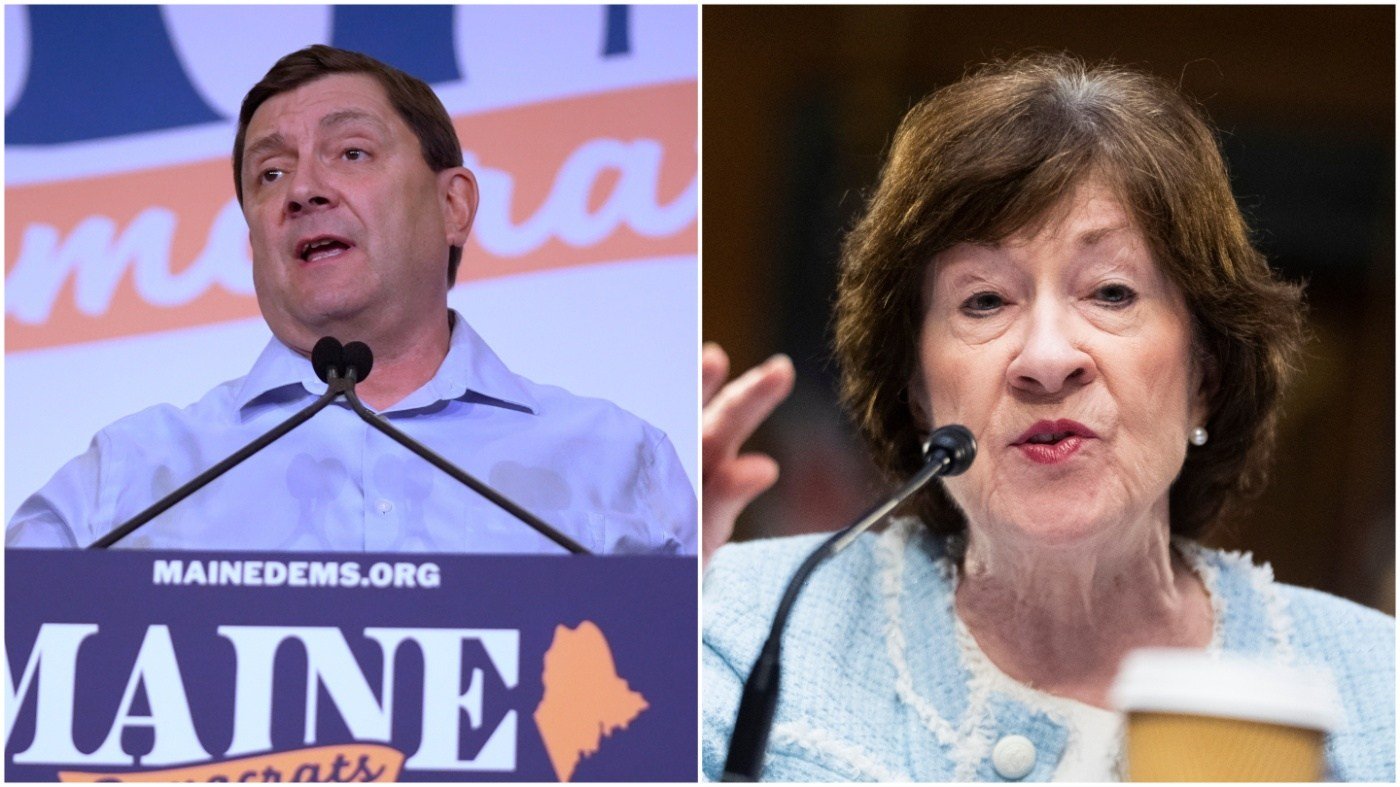
The Abraham Accords, first established in 2020 under the Trump administration, normalized ties between Israel and several Arab nations. Trump's renewed push comes as his administration negotiates a potential deal with Iran that has drawn sharp criticism from within his own party. Republicans, including Senators Thom Tillis (R-NC) and Bill Cassidy (R-LA), as well as Representative Thomas Massie (R-KY), have voiced skepticism, with some comparing the emerging framework to the 2015 Obama-era nuclear pact.
Trump fired back at his GOP critics on Saturday, labeling them 'RINOs' and 'Fools' who know nothing about the deal. He singled out Tillis, Cassidy, and Massie, accusing them of disloyalty and poor political judgment. The president also took aim at Democrats, claiming they constantly support bad policy. GOP Senators Roger Wicker (R-MS) and Lindsey Graham (R-SC) have also expressed concern, arguing that extending the ceasefire could weaken the US position.
Secretary of State Marco Rubio, speaking to reporters in India on Sunday, dismissed suggestions that the potential agreement would give Iran the upper hand. 'The idea that somehow this president — given everything he's already proven he's willing to do — is going to somehow agree to a deal that ultimately winds up putting Iran in a stronger position when it comes to nuclear ambitions is absurd,' Rubio said.
As negotiations continue, Trump said Sunday that his administration would not rush into any deal, asserting that 'time is on our side.' The talks have already impacted global markets, with oil prices sliding on hints of a Strait of Hormuz reopening. Meanwhile, the president's pressure on Gulf states underscores his desire to expand the Abraham Accords as a cornerstone of his Middle East policy, even as internal GOP divisions threaten to complicate the diplomatic effort.