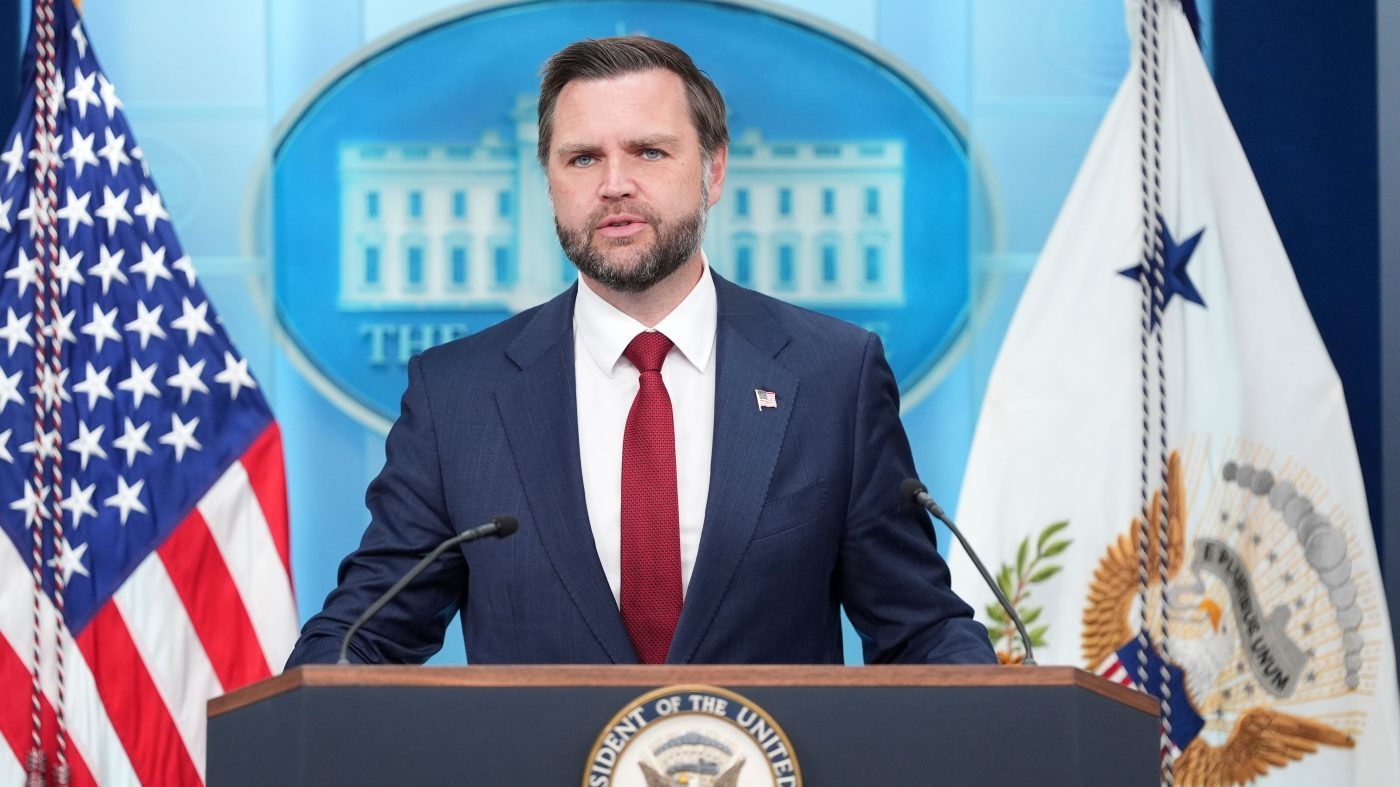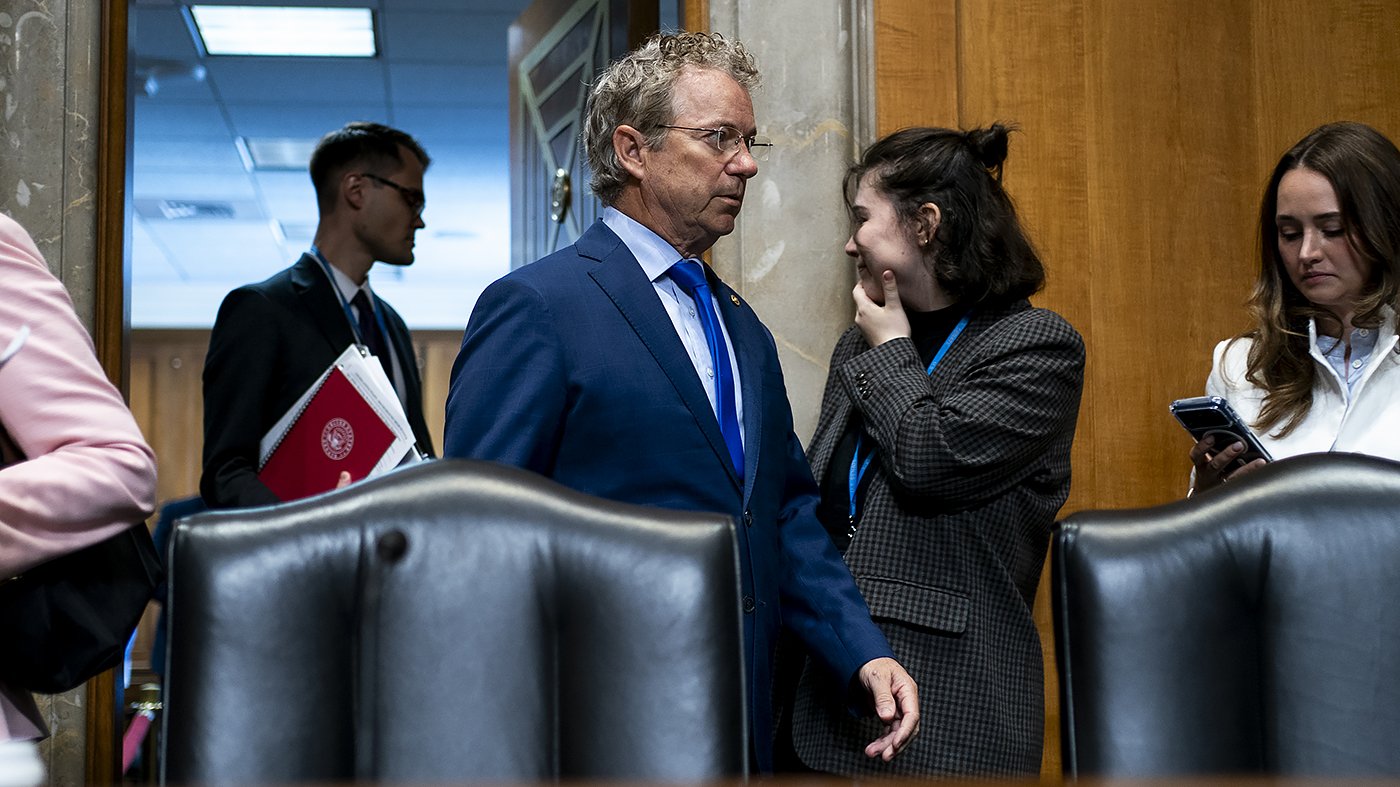
President Donald Trump offered a public endorsement of Sen. Rand Paul (R-KY) on Tuesday evening, hours before the Kentucky Republican was set to question former White House medical adviser Dr. Anthony Fauci in a high-stakes Senate hearing. In a post on TruthSocial, Trump credited Rep. Thomas Massie's primary defeat—which Trump helped engineer—for sharpening Paul's political edge.
“THE MASSIE MASSACRE in the Great Commonwealth of Kentucky has had a really great impact on Senator Rand Paul who will be running in two years. He’s been terrific, lately!” Trump wrote, referring to Massie's loss to a Trump-backed challenger.
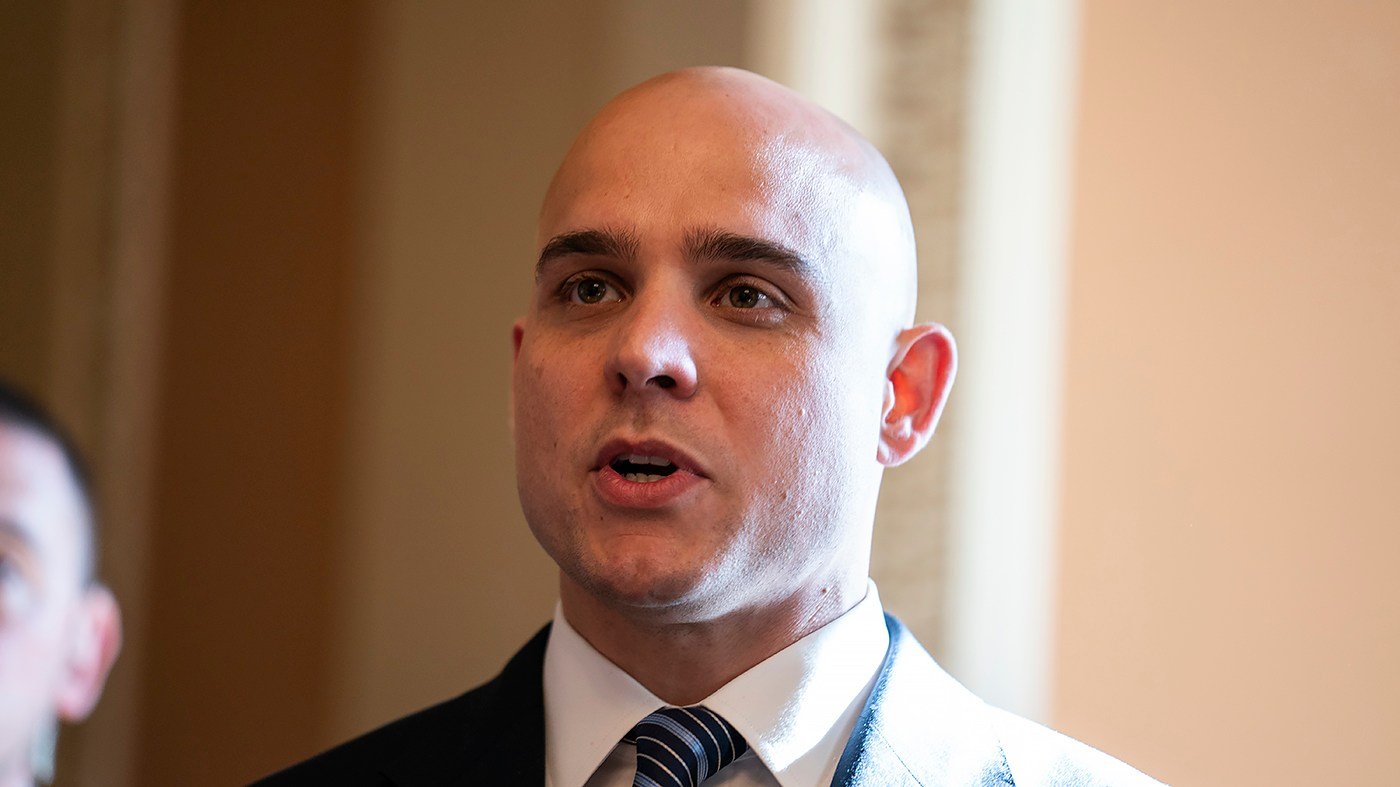
The hearing, chaired by Paul as head of the Senate Homeland Security Committee, quickly turned into a legal standoff. Fauci repeatedly invoked his Fifth Amendment right against self-incrimination, refusing to answer questions about his role in the COVID-19 pandemic. Republican lawmakers, including Rep. James Comer (R-KY), have argued that former President Joe Biden's pardon of Fauci does not shield him from testimony about actions taken before the pardon. Trump has also targeted Fauci in recent days, reviving old grievances over pandemic lockdowns.
Paul released excerpts from Fauci's personal journals ahead of the hearing, revealing that Fauci had called Trump an “idiot” and criticized his handling of the pandemic. Asked about those entries on Tuesday, Trump said he had simply “grown tired” of Fauci. “He wanted to close everything down. I allowed it to be up to the governors,” Trump said, adding that “many of the Republican governors didn’t want to close.”
The relationship between Trump and Paul has evolved from frequent clashes—most notably over Iran policy—to mutual admiration. Earlier this year, Paul championed a $70 billion immigration enforcement funding bill and attended its signing ceremony at the White House. He also shifted his vote on an Iran War Powers Resolution from “yes” to “present,” effectively sidestepping a direct challenge to Trump's authority. Trump has threatened Iran with military action following recent attacks on U.S. forces in Jordan.
Paul's aggressive questioning of Fauci has drawn both praise and criticism. Sen. Gary Peters (D-MI) accused Paul of conducting a partisan vendetta rather than a legitimate oversight hearing. Peters slammed Paul's tactics as undermining the committee's credibility. Meanwhile, Paul ordered Fauci's lawyer removed from the hearing room after the attorney objected to certain questions, escalating the tense atmosphere.
The hearing marks the latest chapter in a long-running Republican effort to hold Fauci accountable for his pandemic decisions. Paul has been a leading voice in that crusade, and Trump's endorsement signals that the former president sees political advantage in backing Paul's combative style. With Paul up for reelection in two years, Trump's support could prove crucial in a primary—especially after the Massie example.
Fauci's refusal to testify under oath has only deepened the partisan divide. Democrats argue that the hearing is a political stunt, while Republicans insist that Fauci must answer for what they call a catastrophic public health response. The release of his personal journals has added a layer of personal animosity, with Trump and Paul both seizing on Fauci's private criticisms to fuel their narrative.