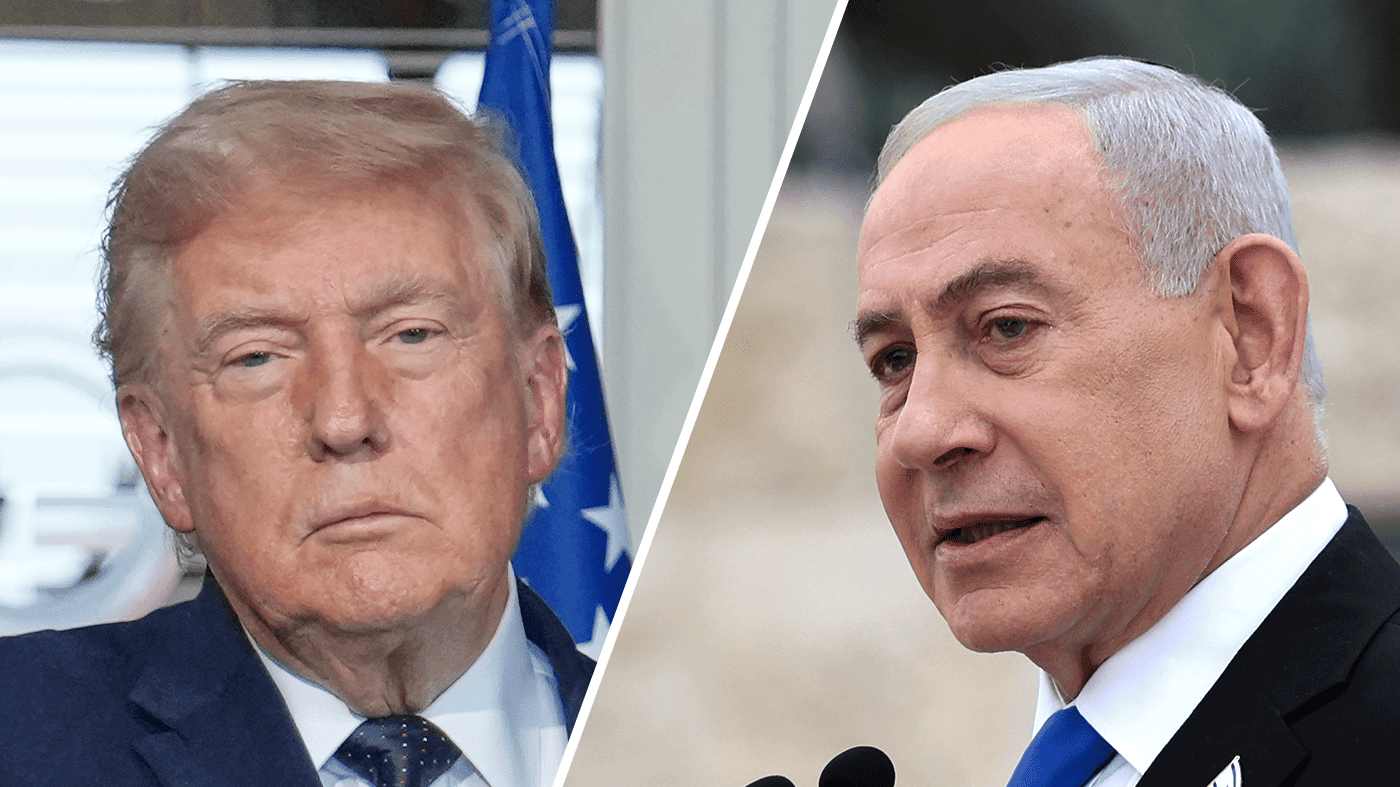
The relationship between President Trump and Israeli Prime Minister Benjamin Netanyahu has hit its lowest point yet, as the two leaders clash over how to wind down the war they jointly launched. The friction now threatens the viability of a weekend U.S.-Iran peace deal that Trump is touting as a victory.
Trump has declared that the memorandum of understanding cuts off Iran’s path to a nuclear weapon and reopens the Strait of Hormuz to global oil and gas shipments. But Netanyahu faces intense domestic backlash from critics who argue the reported terms fail to curb Iran’s ballistic missile program or its support for militant proxies.
Netanyahu has ignored Trump’s demands to halt retaliatory strikes against Hezbollah, the Iranian-backed militia in Lebanon. That defiance risks prompting Iran to walk away from the agreement. Over the weekend, Trump vented his frustration in blunt terms. “Why did Bibi have to do a f---ing attack? I was so pissed off. I let him know. He has no f---ing judgment,” Trump told Axios, using Netanyahu’s nickname.
Despite the public acrimony, former U.S. Ambassador to Israel Daniel Shapiro says a full rupture is unlikely. “Trump is not willing to risk damaging U.S. and Israeli military and intelligence cooperation that is fundamental for American national security,” Shapiro, now a fellow at the Atlantic Council, told The World Signal. But he added, “There’s a real divergence of interests” on Iran and Lebanon. Trump wants the war to end because of global economic chaos and rising U.S. gas prices, while Netanyahu wants to keep striking Iran’s nuclear and missile infrastructure.
More than 100 days of fighting have shown Iran’s clerical regime can withstand U.S. and Israeli pressure, close the Strait of Hormuz, and retaliate with drones and missiles. Iran has killed 13 American soldiers and damaged U.S. bases across the region. The energy crisis is a major driver for Trump, but Israel—largely insulated from those price shocks—remains focused on Iran’s missile and drone capabilities and its funding of terrorist groups.
Netanyahu’s political standing is eroding at home. A recent Israel Democracy Institute poll found 61 percent of Israelis think he should not run in October’s elections. Far-right coalition partner Itamar Ben-Gvir declared on social media: “Trump’s agreement does not bind us. Israel is not subject to the United States, and we are an independent and sovereign nation!” Opposition leader Yair Lapid accused Netanyahu of delivering a crisis with Washington while Iran gets relief. “Netanyahu promised us a historic victory—and we got a crisis with the Americans, Hormuz open to the Iranians, money for the Revolutionary Guards, ballistic missiles aimed at Israel, and Israel waiting in the corridor like a scolded child,” Lapid posted.
Netanyahu addressed the tension Monday, saying, “President Trump and I know each other for a long time… many times we see eye to eye, and sometimes we see less. I am responsible for Israel’s security interests. I stand up for them.”
Hezbollah remains a major flashpoint. Iran has warned it will abandon talks if the Lebanon ceasefire is violated. Trump is walking a tightrope, supporting Israel’s right to self-defense while trying to prevent a broader ground war that could collapse the deal. “Hezbollah, we have to have a little talk with them,” Trump said Monday at the G7 summit in France. A senior administration official clarified that the MOU does not require Israel to withdraw from southern Lebanon, only a ceasefire, and stressed Israel retains the right to self-defense.
For more on the deal’s secrecy and market impact, see our analysis of the Iran deal’s reception. Meanwhile, Senate Minority Leader Chuck Schumer has demanded a full briefing on the murky terms, as Schumer pushes for transparency.