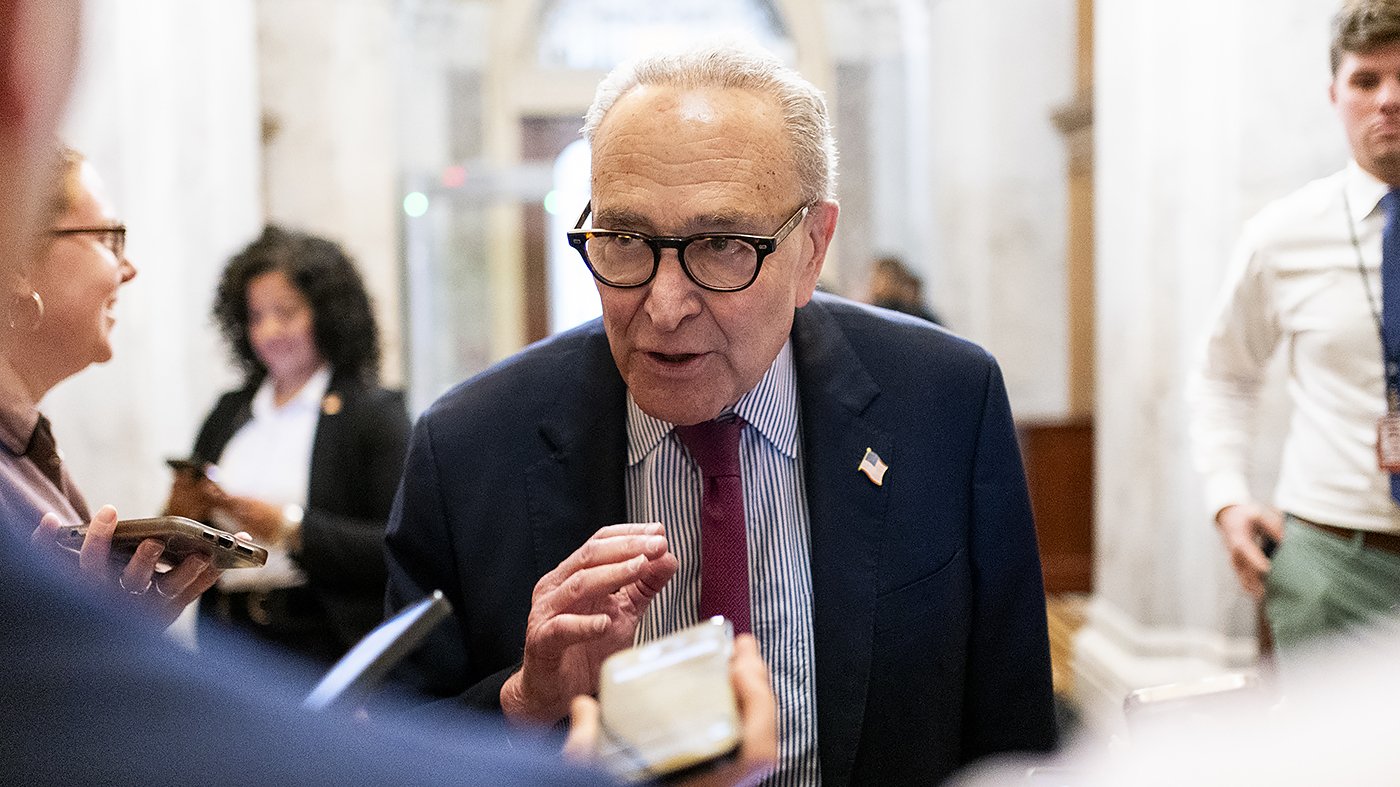
Senate Democratic Leader Chuck Schumer (D-N.Y.) on Monday pressed the Trump administration to provide Congress with an immediate briefing on the president's recently announced “understanding” with Iran. The deal, which President Trump claims will reopen the Strait of Hormuz, leaves the future of Iran’s nuclear program unresolved for later talks—a vagueness Schumer sharply criticized.
“The American people deserve details and full transparency—what exactly is in this ‘understanding’? Will servicemembers remain in harm’s way?” Schumer said in a statement. He argued that Americans have been told “dozens of times” the war is over, only to be “left disappointed.”
Schumer questioned the strategic gains from the conflict, noting that the Iranian regime “is more radical than the previous one” and that “the Strait of Hormuz is under greater Iranian control now than before the war began.” His remarks echo broader skepticism among lawmakers and analysts about the deal’s substance.
Trump has touted the peace framework as ensuring the Strait of Hormuz—a critical chokepoint for 20 percent of global oil supplies—would be “permanently toll free.” However, Iran’s Fars news agency reported that Tehran has insisted on a “maritime services” fee, potentially generating revenue for its coffers. The agreement also postpones tough negotiations on sanctions relief and curbing Iran’s nuclear program for a later date, with a ceremonial signing scheduled for Friday in Geneva.
One major issue left unaddressed is the continued occupation of territory in Lebanon by Israeli forces. Israeli Defense Minister Israel Katz said Monday that troops would remain in South Lebanon, while Prime Minister Benjamin Netanyahu has yet to comment on the deal. This omission could further complicate regional dynamics.
Vice President JD Vance confirmed in a CBS News interview that Iran could access up to $300 billion for reconstruction under the deal, funded by Gulf coalition partners—provided Tehran meets its obligations. “That’s the sort of thing they could have access to, funded by the Gulf coast coalition, so long as they honor their end of the obligation,” Vance said.
The deal has already sparked friction among U.S. allies. As Trump arrived at the G7 summit, European leaders expressed skepticism, particularly over the deal’s lack of clarity on nuclear issues and regional security. Meanwhile, French President Emmanuel Macron directly challenged Trump on the agreement’s terms and the digital tax dispute.
Schumer’s call for a briefing underscores the deep unease in Congress over an agreement that appears to leave many critical questions unanswered. With a 60-day window for further talks on sanctions and the nuclear program, the coming weeks will test whether the “understanding” holds or unravels under scrutiny.