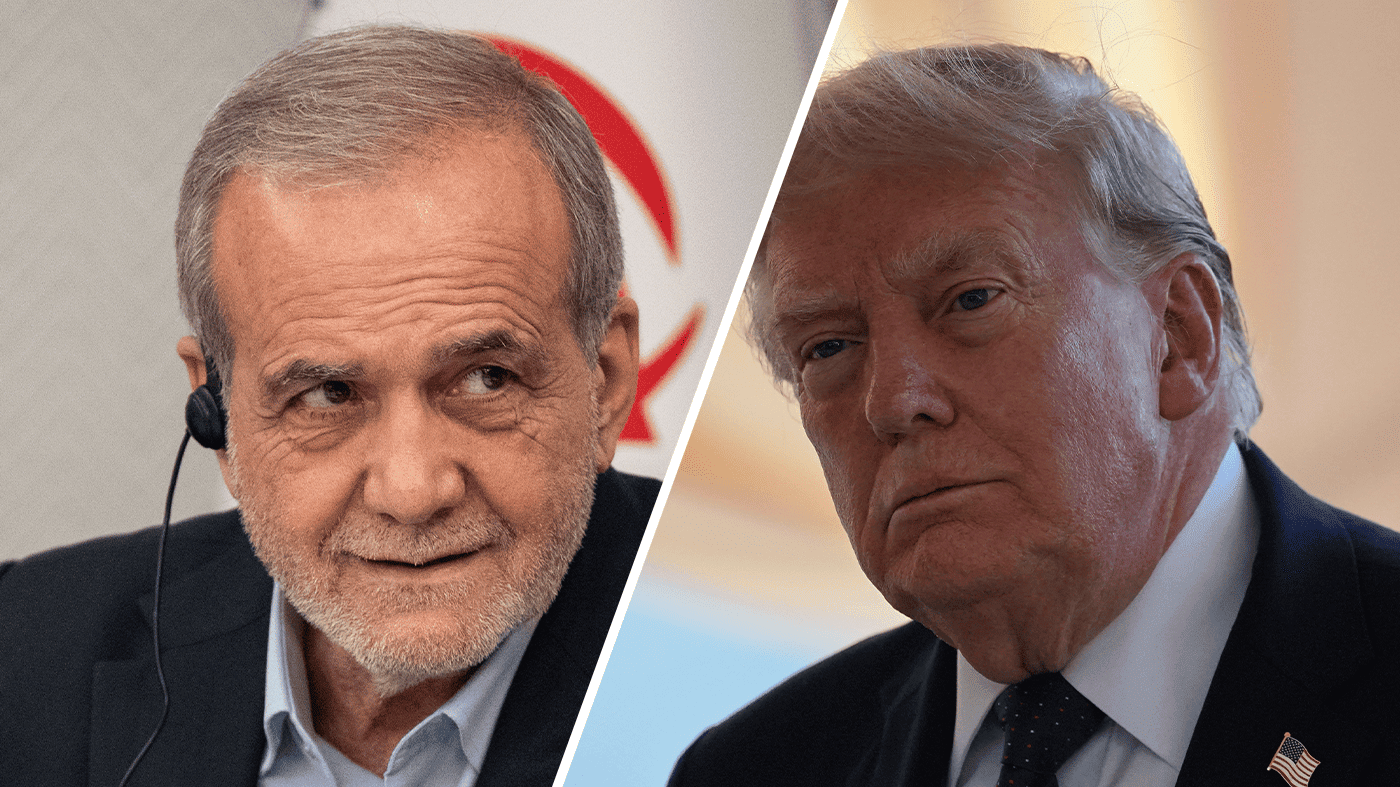
A preliminary agreement between the Trump administration and Iran, aimed at reopening the Strait of Hormuz and launching 60 days of nuclear negotiations, is set for a formal signing Friday. But key details remain shrouded, fueling speculation and skepticism among lawmakers and analysts.
Senior U.S. officials told reporters Monday that the memorandum of understanding (MOU), signed digitally over the weekend, is just the opening move. Vice President Vance will lead the “real technical discussions” starting later this week, they said. The officials promised the deal’s specifics would be released within 24 to 48 hours, while President Trump said it would come out “sometime after Friday,” leaving room for debate over concessions on both sides.
Trump and Vance have already digitally signed the MOU, alongside Iranian Parliament Speaker Mohammad Bagher-Ghalibaf, the country’s lead negotiator. The U.S. has repeatedly stated that Iran has guaranteed it will not pursue nuclear weapons, but details on handing over its enriched uranium stockpile appear deferred to future talks.
A senior U.S. official described the deal as having “two pathways”: either Iran fails to cooperate, remaining financially weak and unable to rebuild its nuclear program, or it complies, gaining economic benefits while assuring no nuclear weapons. “It’s a win either way for the United States,” the official said.
Hawks Demand Transparency
Sen. Lindsey Graham (R-S.C.) voiced concern Sunday that Iran and the U.S. seem to have different views of the agreement. “I am somewhat concerned that Iran’s view of the agreement seems different than what the American negotiating team is claiming,” he wrote on social media.
Victoria Coates, vice president of national security at The Heritage Foundation and a former Trump National Security Council member, urged the administration to keep sanctions relief conditional on Iran’s compliance. “That has to come first and the burden has to be on them, otherwise, I worry we’re going to get into another one of these situations, as the president said, where they’re tap-tap-tapping us along,” she told The Hill.
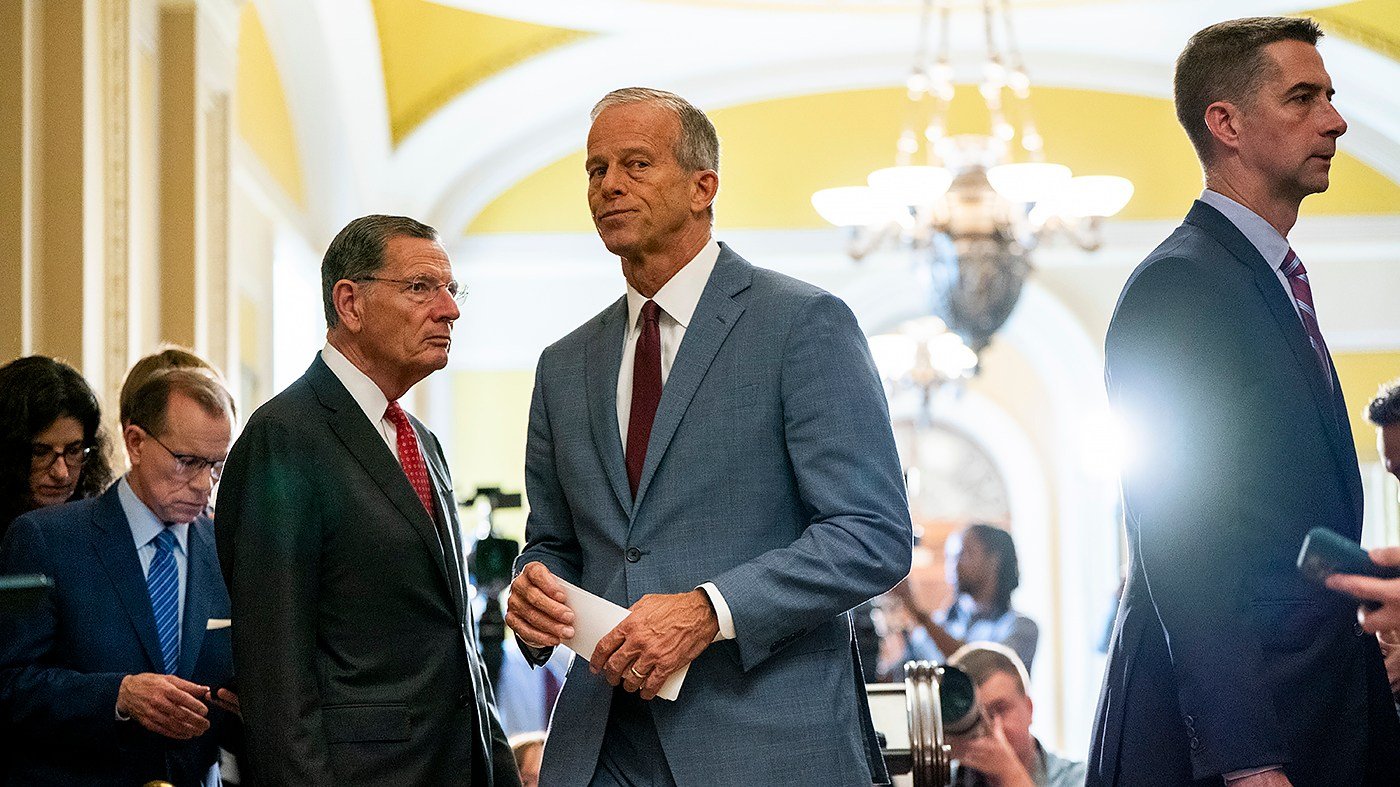
Several Senate Republicans, including Majority Leader John Thune (R-S.D.), are holding their fire. “I hope we get more details about it before Friday,” Thune said. He added, “My understanding of what it entails—again, not having seen anything—I think the issues are going to be compliance and how you’re going to enforce that and what are the financial incentives the Iranians are going to have from our country.”
Economic Relief and Market Reaction
Iran has reportedly demanded asset unfreezing to proceed, but U.S. officials insist no money has been released yet. “The more that the Iranians are willing to work with us on their nuclear program, on verifying that they’re not building a nuclear weapon, on not funding radicalism and terrorism in the region, the more that they’re going to be welcomed into the world economy through a combination of sanctions relief and other economic measures,” one official said.
Another official noted the U.S. is “prepared to release frozen funds [and] relieve sanctions,” adding, “And we’ll do some small gestures of that in the beginning, if they make some small gestures to us that show that they’re willing to meet their commitments as well.”
The deal reportedly waives U.S. sanctions on Iran’s oil exports for at least the 60-day negotiating window, providing crucial revenue for the cash-strapped regime. Reopening the Strait of Hormuz also eases global energy costs, which had been rising amid dwindling inventories. U.S. stocks rose and oil prices fell Monday, with West Texas Intermediate crude dropping nearly 5% to $80.94 and Brent crude falling over 4.4% to roughly $83.
Trump said Monday, en route to the Group of Seven meeting in France, that ships were “starting to move, many loaded up with Oil” through the strait.
Comparisons to the Obama Deal
The president has long criticized the Joint Comprehensive Plan of Action (JCPOA) negotiated under former President Obama, calling it a “horrible” plan that brought Iran closer to a nuclear weapon and gave it “billions, and billions of dollars.” Yet his own preliminary deal is drawing comparisons to the JCPOA, as both use sanctions relief and asset unfreezing to incentivize nuclear concessions without fully dismantling the program.
Senate Democrats, led by Chuck Schumer, are demanding a full briefing on the murky terms. Meanwhile, Trump’s rural support has slipped to 50% amid war fatigue and policy shifts. The White House has also faced controversy over a UFC event and a Kennedy Center endowment, but the Iran deal remains the top story.