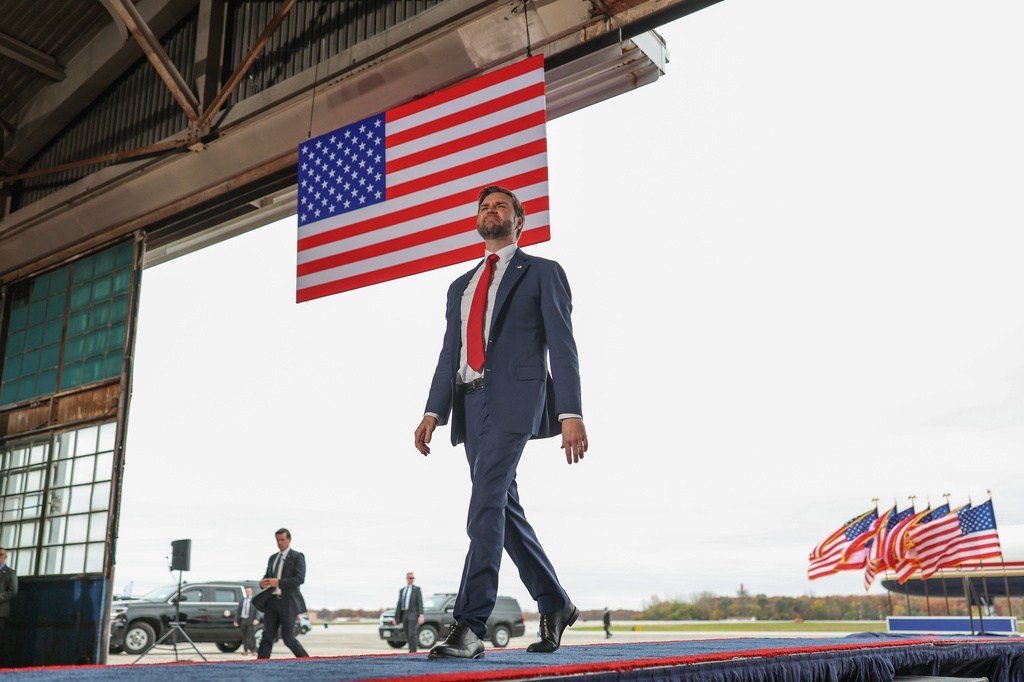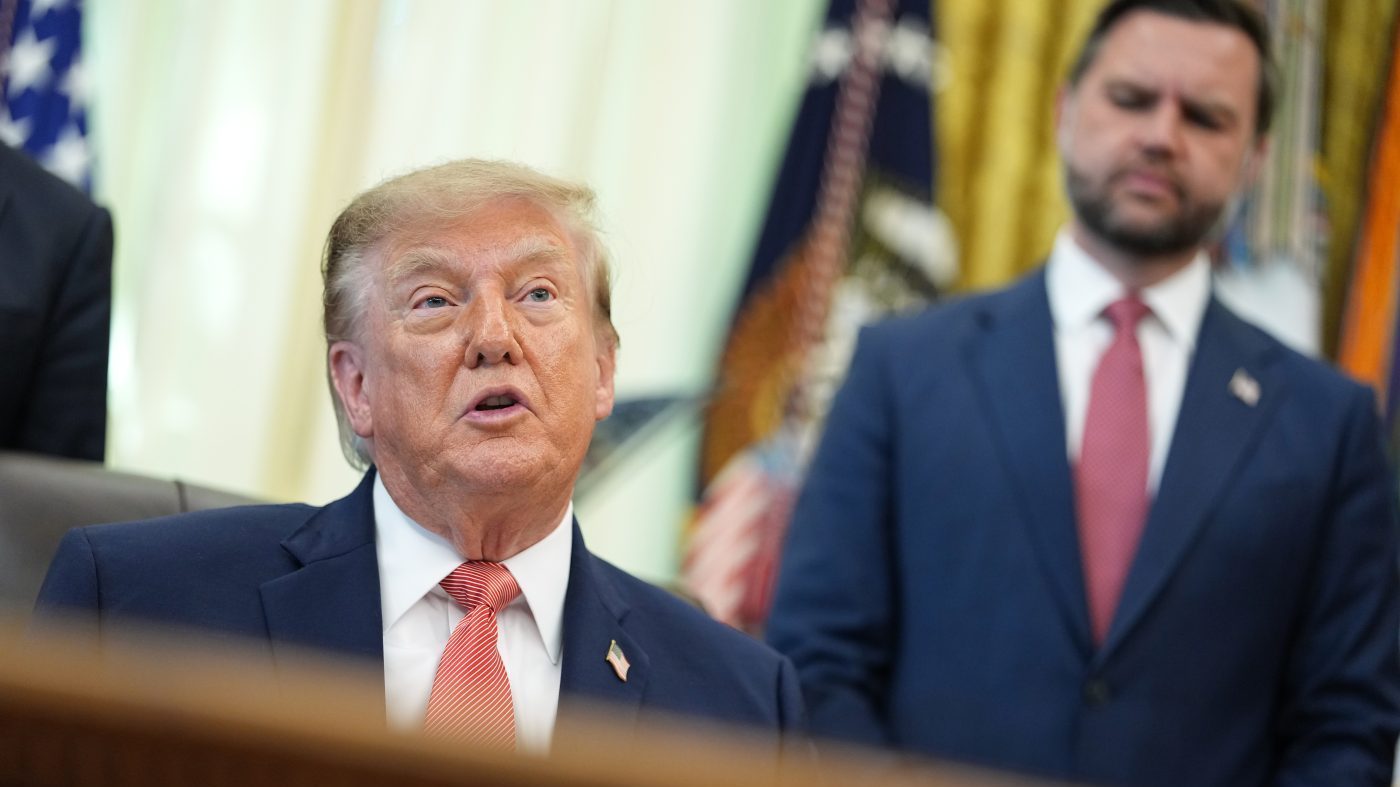
President Trump on Tuesday sought to minimize any tension with Vice President JD Vance over Vance's public assertion that the ongoing Iran war cost Republicans the midterm elections, even as he conceded that the remarks were poorly received by many in the party.
Asked whether Vance's post-election statement had strained their relationship, Trump told reporters, "No, not at all." But he quickly added, "A lot of people didn't like his comments. But not me."
Trump's comments came during a White House press availability, where he also doubled down on his defense of the military campaign against Iran, now in its eighth month. The war has emerged as a central factor in the GOP's electoral setbacks, with Senate Republicans openly fuming over the political fallout.
In a lengthy social media post following the midterms, Vance wrote that "the reason we lost is the war," echoing Trump's own election-night acknowledgment that the conflict was "a piece of it." Vance challenged critics to argue that losing the Senate for six years was a worthwhile price, saying, "Agree or disagree, that's at least honest."
Trump, however, suggested Vance had missed a key point. "He was right, other than one thing. He should have made one other statement," Trump said. "If you had it to do again? Would you do it again? The answer is yes." Trump added that history would judge the war favorably, asserting that "you can't let Iran have a nuclear weapon."
Vance's remarks drew sharp rebukes from both parties, with Democrats using them to highlight the administration's foreign policy missteps. Meanwhile, some GOP strategists worry that the infighting could complicate the party's recovery ahead of the next cycle. The 2028 GOP primary picture has already shifted, with Vance's standing slipping relative to other potential contenders.
Asked during a CBS "60 Minutes" interview whether he had known Vance planned to post the statement, Trump said Vance had sought his input: "He asked me, 'What do I think?' I said, 'Write what you feel.'"
Trump also left the door open to renewed military action against Iran, though he indicated that peace talks, if they progress, would make further strikes unlikely. He framed the war as a long-term strategic necessity, even if it is unpopular in the short term. "Is it a good decision for today and tomorrow? Maybe not, but you know, I have to go with what's right for our country," he said.
The president's defense of the war comes as Democrats roll out a strategy to challenge his foreign policy and as the administration faces scrutiny over its handling of the conflict. The midterm losses have also fueled broader questions about the party's direction, with Trump himself acknowledging that his immigration positions may have contributed to the defeats.
Despite the political damage, Trump remained unapologetic. "If they had a nuclear weapon during my term, I would be excoriated far worse than what happened," he said. "I've stopped them from having a nuclear weapon. That's a big thing."