President Donald Trump on Monday addressed the controversy surrounding an AI-generated image he posted to his TruthSocial account, asserting it was meant to depict him as a medical worker with the Red Cross, not in a religious context. The image, which showed Trump in flowing garments with his hand on a sick man's head amid patriotic and celestial imagery, was deleted earlier in the day after drawing sharp criticism from prominent conservative voices.
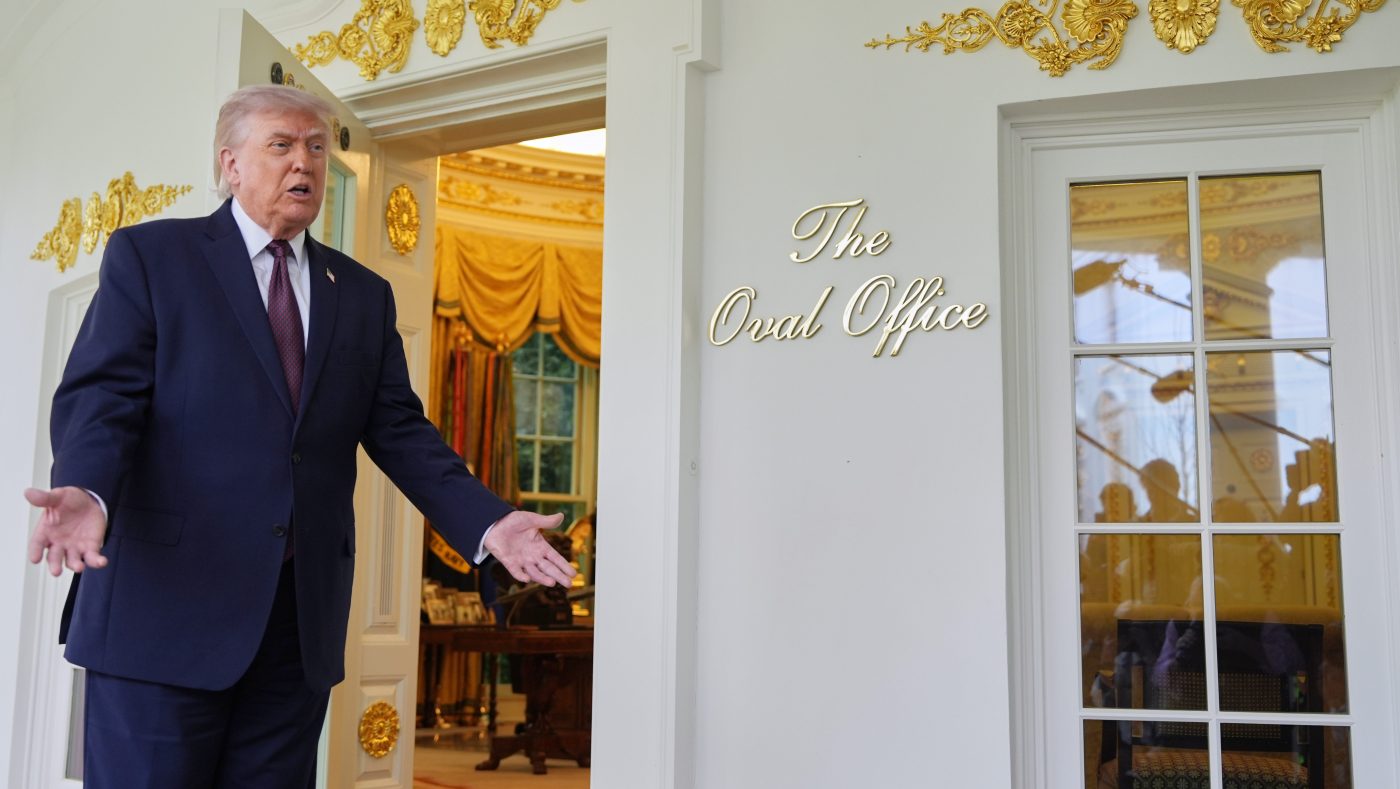
Speaking to reporters outside the Oval Office, Trump dismissed the interpretation that the image portrayed him as Jesus Christ. "I did post it, and I thought it was me as a doctor, and had to do with the Red Cross, as a Red Cross worker there, which we support," the President said. He attributed the religious reading to media bias, stating, "Only the fake news could come up with that one. I just heard about it, and I said how did they come up with that? It's supposed to be me as a doctor, making people better and I do make people better."
Conservative Backlash and Deletion
The post, which appeared late Sunday, was removed following what sources described as unusually fierce backlash from within the President's political base. Several high-profile conservative activists and commentators publicly denounced the image as inappropriate and blasphemous, particularly given its timing amid Trump's ongoing diplomatic feud with Pope Leo XIV over foreign policy.
Conservative political activist Riley Gaines expressed dismay on social media platform X, writing, "Why? Seriously, I cannot understand why he'd post this. Is he looking for a response? Does he actually think this?" She added, "Either way, two things are true: 1) a little humility would serve him well 2) God shall not be mocked."
Commentator Michael Knowles advised immediate removal, stating, "I assume someone has already told him, but it behooves the President both spiritually and politically to delete the picture, no matter the intent." Former Representative Marjorie Taylor Greene was more forceful, writing she was "praying against" the post and linking it to Trump's criticism of the Pope. "On Orthodox Easter, President Trump attacked the Pope because the Pope is rightly against Trump's war in Iran and then he posted this picture of himself as if he is replacing Jesus," Greene wrote.
Context and Broader Political Strain
The incident occurs against a backdrop of heightened political tension for the Trump administration. The President's removal of the post suggests a rare concession to internal pressure from his allies, even as GOP leadership continues to face scrutiny over its response to Trump's controversial statements and actions. The episode also intersects with ongoing debates about the use of AI-generated media in political communication and the boundaries of personal portrayal by public figures.
Trump's explanation frames the image as an extension of his public persona as a problem-solver and healer, a theme he frequently emphasizes in policy addresses. However, the visual composition—featuring light emanating from his hands, a praying woman, and symbolic national icons—proved easily interpretable within a religious framework for many viewers. This disconnect between intent and perception highlights the challenges of controlling narrative in the digital age, especially with synthetic media.
The controversy also underscores the complex relationship between Trump and his evangelical base. While he has enjoyed steadfast support from many religious conservatives, this incident reveals clear limits regarding perceived sacrilege. The swift condemnation from figures like Greene and Knowles indicates that certain lines, even if unintentionally crossed, trigger immediate pushback from within his coalition.
As the administration grapples with multiple foreign and domestic crises, including economic fallout from the Strait of Hormuz blockade, this social media misstep serves as a distraction. It raises questions about the vetting process for the President's personal posts and whether his political operation can effectively manage the fallout from his online activity. For now, the image is gone, but the discussion about its implications for Trump's political and spiritual standing continues.