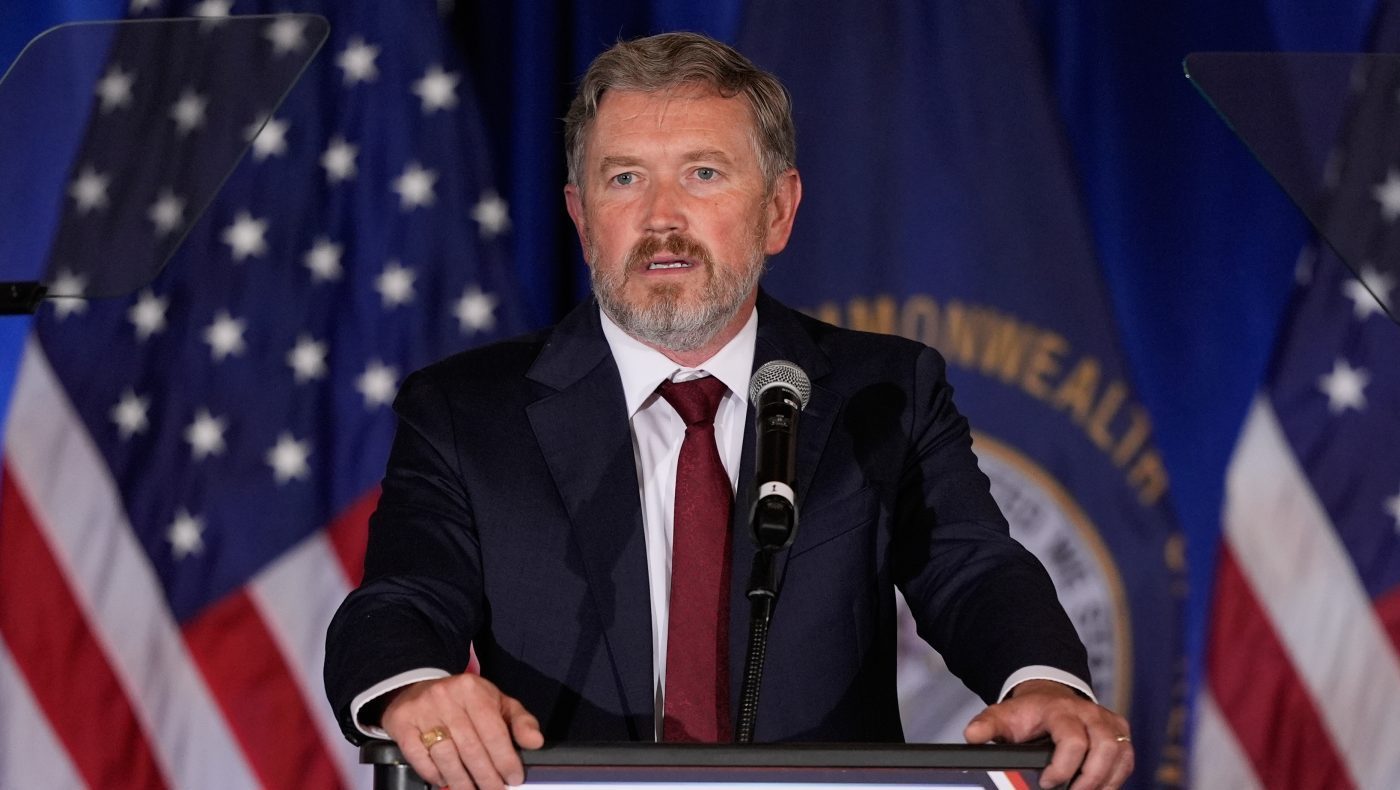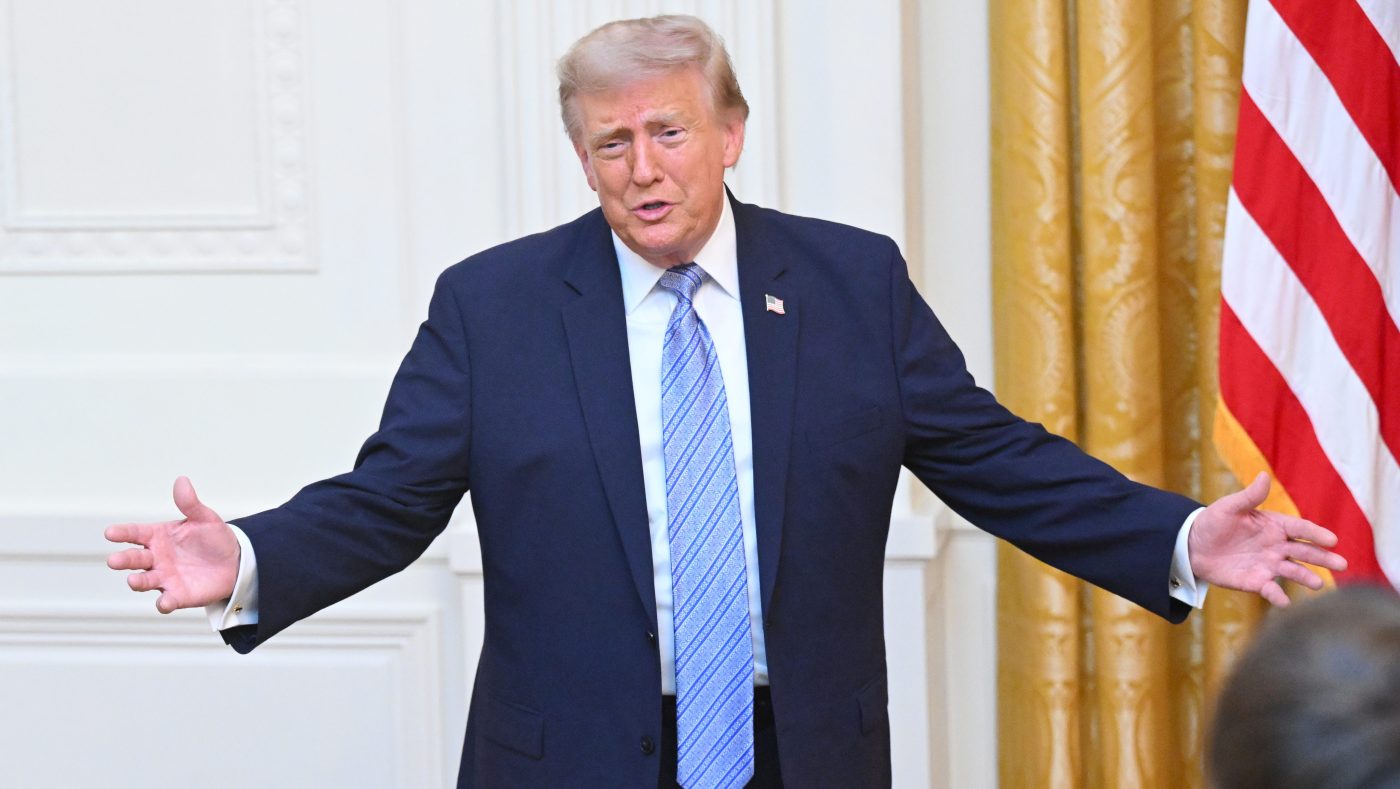
President Trump delivered a primetime address Thursday night, accusing China of interfering in American elections and declassifying a set of documents he said prove vulnerabilities in the voting system. The speech, which centered on unsubstantiated claims about the 2020 election, drew immediate criticism from election experts and Democrats who dismissed the documents as lacking new revelations.
Homeland Security Secretary Markwayne Mullin is scheduled to hold a press conference at 11 a.m. EDT Friday on election security, a move Trump teased during his address. Critics argue the timing is designed to stoke doubts about the integrity of upcoming midterm elections, with some Republicans privately expressing concern that the focus on fraud could backfire amid the ongoing war with Iran and voter anxiety over the economy.
Key Takeaways from the Speech
Trump declassified a handful of documents he argued prove Chinese meddling, but analysts and former officials quickly pointed out that the material contained no new evidence. His push for the Save America Act, which would mandate voter ID laws, was criticized as a solution in search of a problem. Democrats blasted the move as a distraction from real issues, with Senator Ed Markey calling for impeachment proceedings after what he termed "unsubstantiated election fraud claims."
Beijing has already rejected Trump's allegations, calling them "fabricated" and warning that such rhetoric harms bilateral relations. The Chinese Foreign Ministry issued a statement Friday morning denying any interference in U.S. elections and urging Washington to focus on domestic election security.
Republican Divisions and Political Fallout
While Trump remains the dominant figure in the GOP, some party members quietly criticized the primetime address as a misstep. "It's not the best use of a national address when we're dealing with a war and economic concerns," one Republican strategist told The World Signal on condition of anonymity. The speech comes as House and Senate Republicans are locked in a confrontation over a $95 billion budget reconciliation package, with Senate Appropriations Committee members opposing key provisions.
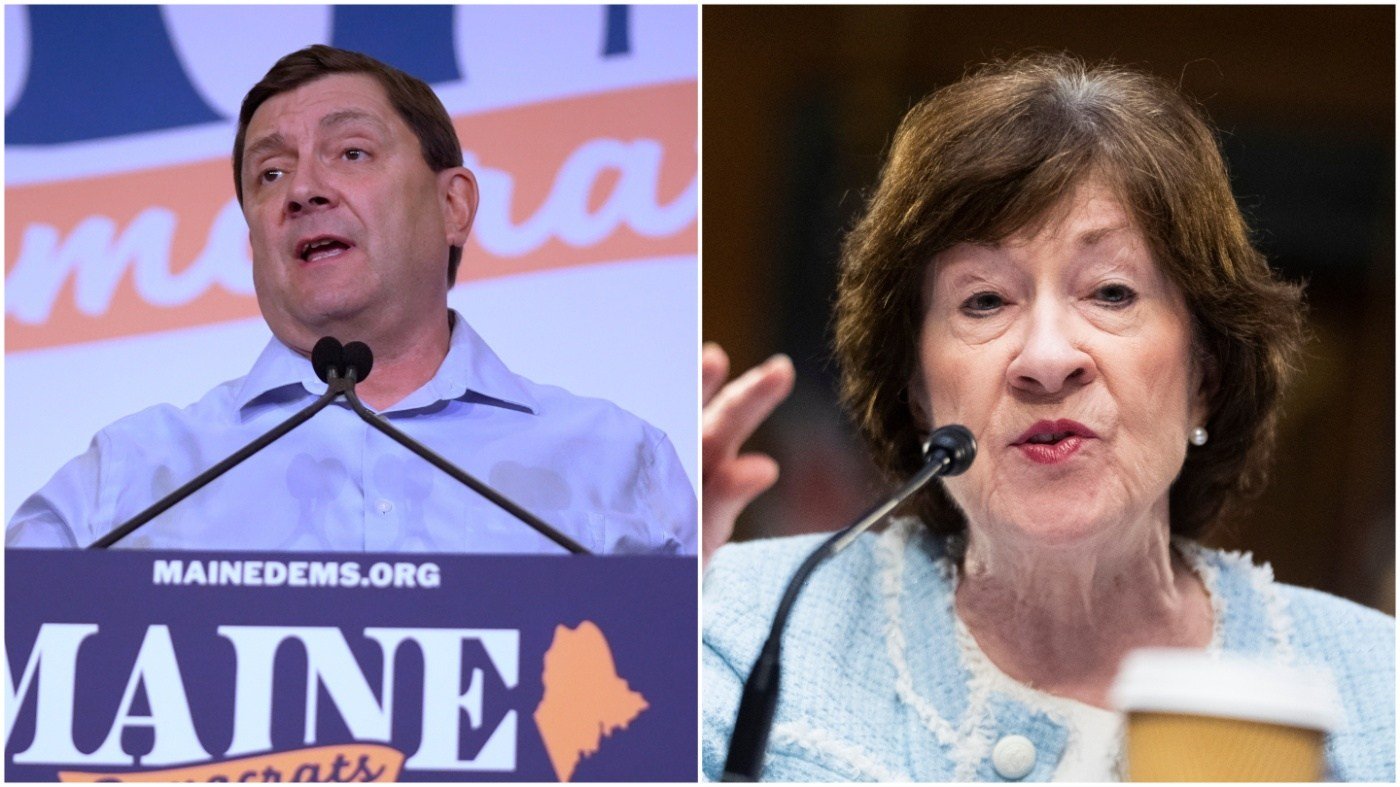
Meanwhile, nine Maine Democrats held a joint event Thursday night to showcase their candidacies following the withdrawal of original primary winner Graham Platner amid sexual assault allegations. The race to replace Platner has become a focal point for both parties as they jockey for control of the state legislature.
Trump's Schedule and Broader Implications
Trump is set to travel to New York City on Friday for a FIFA reception at Trump Tower, before heading to his Bedminster resort and attending the World Cup Final on Sunday. His focus on election security comes as his administration faces a legal showdown over the firing of a court-appointed U.S. attorney in Seattle, adding to a growing list of controversies.
Election experts warn that Trump's renewed allegations could undermine public confidence in the electoral process, even as state and local officials prepare for the midterms. "There's no evidence of widespread fraud, and these documents don't change that," said a former Federal Election Commission official. "This is about laying groundwork for challenging results if Republicans don't win."
Democrats have called on social media platforms to flag misleading content related to the speech, while some GOP lawmakers have urged their colleagues to focus on policy rather than election grievances. The debate over voter ID laws is expected to intensify in the coming weeks, with several states considering legislation that could affect turnout.