President Trump declared a pair of significant foreign policy victories on Friday, asserting that Iran had agreed to reopen the critical Strait of Hormuz and that a ceasefire had taken hold between Israel and Lebanon. The announcements, delivered via social media and brief comments, were framed as a major de-escalation in regional tensions. However, the substance of these claims was immediately challenged by Iranian officials and met with skepticism from regional analysts, casting a shadow over the administration's narrative of success.
Conflicting Narratives Emerge
While Trump celebrated what he termed the opening of the "Strait of Iran," a gaffe that drew mockery from Iran's embassy in Zimbabwe, senior Iranian figures offered a starkly different account. Mohammad Bagher Ghalibaf, the speaker of Iran's parliament, stated flatly that the Strait of Hormuz "will not remain open" as long as a U.S. blockade continues. He dismissed Trump's series of claims as "false." Analysis from global trade intelligence firm Kpler supported a cautious view, noting the waterway remains "effectively closed" with vessel movements restricted to approved corridors, and warning that a full normalization of trade could take months.
Fragile Ceasefire and Underlying Tensions
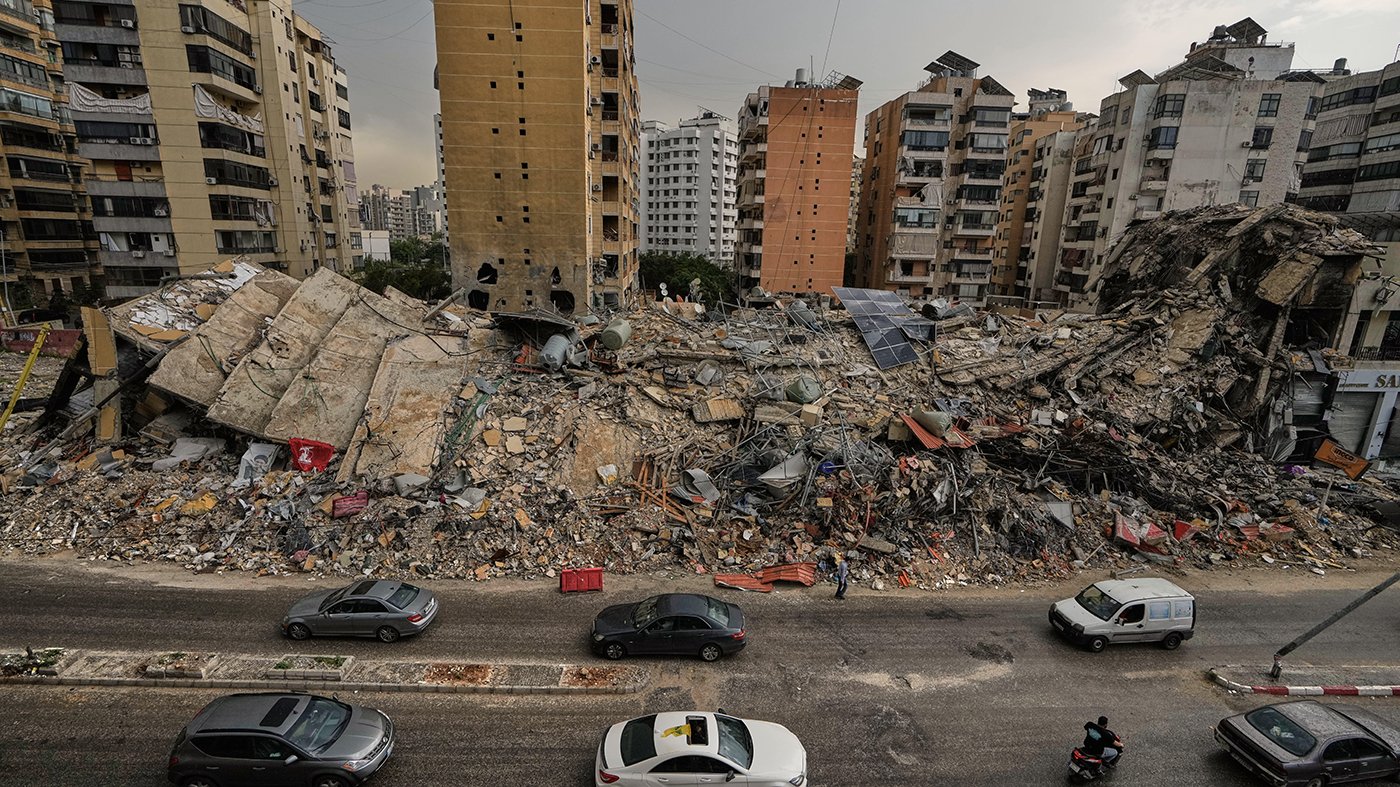
The reported Israel-Lebanon ceasefire, which Trump described as essential for broader U.S.-Iran talks, also faced immediate scrutiny. Analysts questioned its longevity, noting the conflict is fundamentally between Israel and the Iranian-backed Hezbollah, not the Lebanese state. "The underlying fight continues to be between Israel and Hezbollah, and it's just a matter of time before Hezbollah resumes that fight and Israel responds," said Larry Haas of the American Foreign Policy Council. This sentiment echoes broader diplomatic uncertainty surrounding the administration's Iran policy.
European Powers Pursue Independent Plan
Amid the uncertainty, European allies are moving forward with contingency plans. France and the United Kingdom announced a coordinated "neutral" military operation to protect shipping in the Strait, stating they would work with the U.S., Israel, and on deconfliction with Iran. President Trump, however, publicly rebuffed NATO involvement, calling the alliance "useless" and a "Paper Tiger" in a social media post, highlighting a rift with traditional partners. This comes as the administration faces other domestic pressures, including a public feud with Federal Reserve Chair Jerome Powell.
Deal Terms and Red Lines
Outlining his demands, Trump stated that any lasting agreement must include Iran handing over all stockpiles of enriched uranium—which he called "nuclear dust"—and insisted "no money will exchange hands," directly rejecting reports of a $20 billion financial arrangement. He claimed Iran agreed to cease nuclear enrichment, though Tehran has not confirmed this. The U.S. military reported that 19 ships had attempted to violate the ongoing blockade but turned back after warnings, indicating enforcement remains active despite the diplomatic overtures.
Strategic Calculus and Political Costs
Experts suggest the limited progress may be an effort to set the stage for more substantive negotiations. "This war has quickly become a contest of who can absorb the most pain. Here, time is on Iran's side—the longer the Strait remains closed, the greater the political costs will be for President Trump," said Jon Hoffman of the Cato Institute. The economic stakes are high, with the initial announcement causing a "cautious optimism" in markets, though any real recovery in oil and goods passage depends on a slow return of commercial shippers. The administration's focus on this crisis unfolds alongside other contentious policy moves, such as the recent decision to auction drilling rights in the Arctic National Wildlife Refuge.
Path Forward Remains Unclear
The disparity between Washington's declarations and Tehran's statements points to a diplomatic process still in its earliest, most fragile phase. While Trump has suggested a willingness to travel to sign a potential deal, praising Pakistani mediation, the core issues—from the status of the strait to Iran's nuclear program—remain unresolved. The administration's claims are also drawing scrutiny at home, with figures like Rep. Kamlager-Dove criticizing the war's costs. For now, the situation presents a classic geopolitical standoff, where announced breakthroughs are quickly tempered by the complex realities on the ground and in the negotiating room.