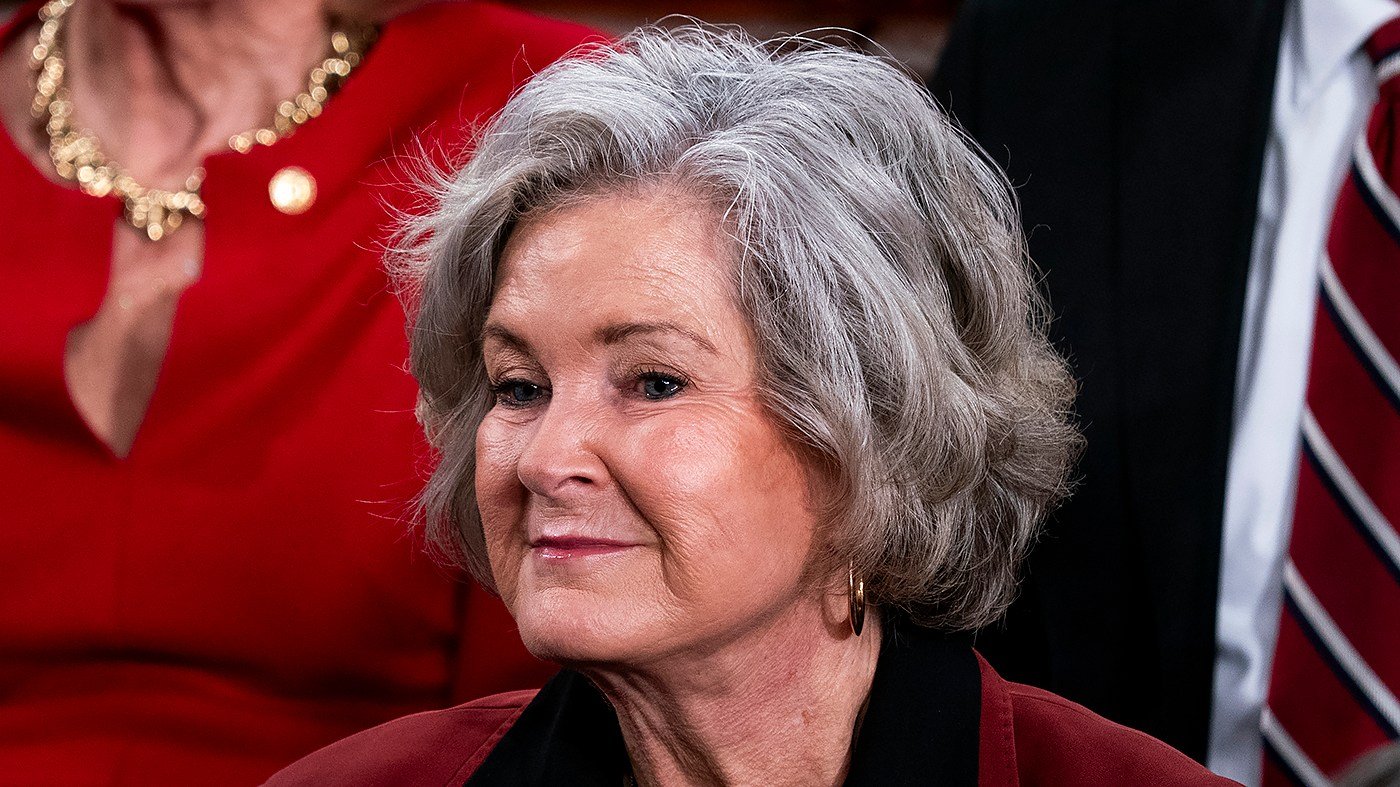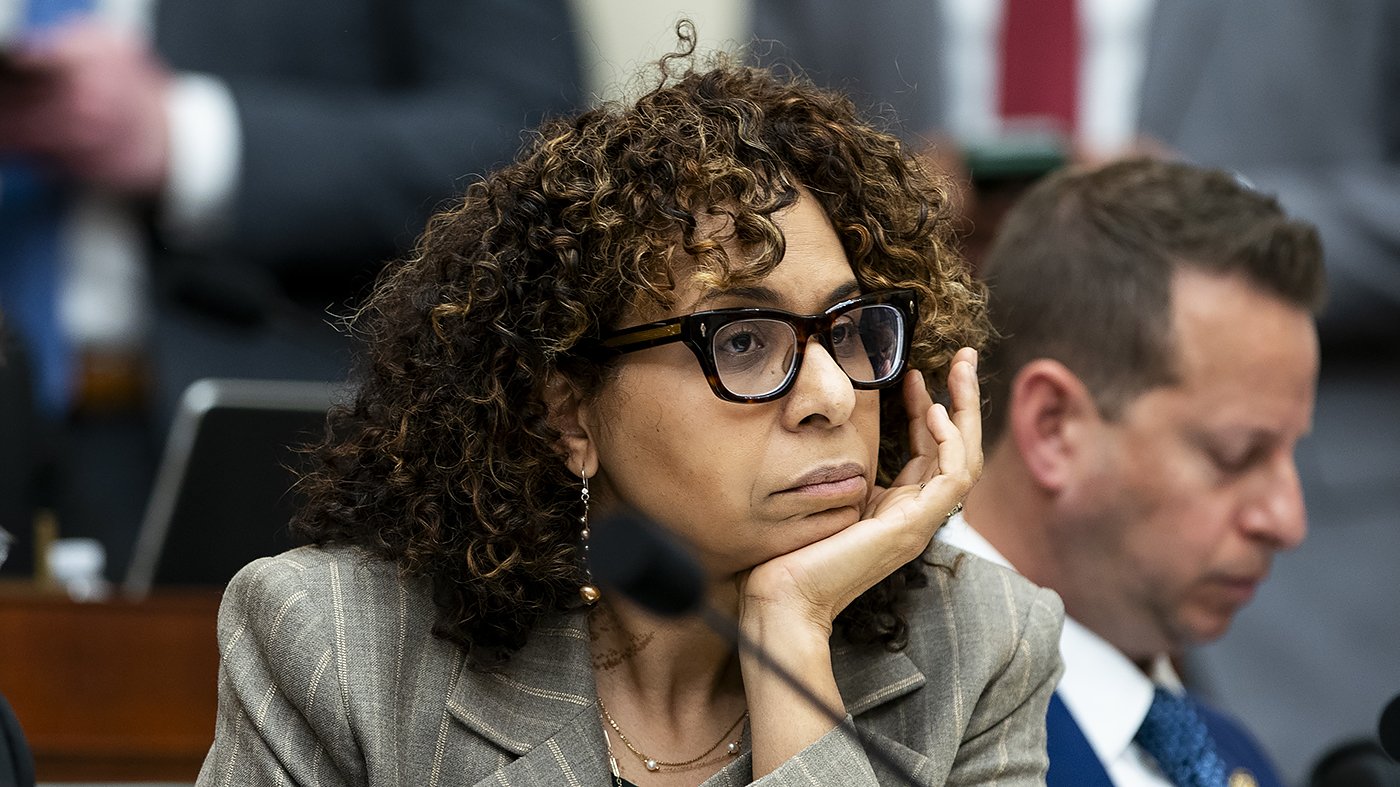
Representative Sydney Kamlager-Dove (D-Calif.) delivered a blistering critique of the financial consequences stemming from the ongoing U.S.-Israeli military engagement with Iran, using stark language to condemn former President Donald Trump's fiscal approach. In remarks captured on video, the congresswoman connected soaring domestic costs directly to the conflict's expense.
"Stevie Wonder could see how much this war is costing us," Kamlager-Dove stated, responding to a question about the national debt. She pointed to specific economic pressures, noting, "Gas prices are going up—it's almost $10 in California—and fertilizer is going up. You name it, the prices have gone up."
She then targeted Trump, referencing his recent promotion of an AI-generated image depicting him in a Christ-like manner, which he later described as showing him as a "doctor." The image was removed from his Truth Social platform after drawing criticism from some Christian conservatives. "This dude, 'Dr. Jesus,' is wanting to spend $2 billion of your money every single day rather than help you get health care," Kamlager-Dove asserted, concluding with a profane dismissal of the former president's priorities.
Mounting Costs and Official Secrecy
The lawmaker's cited figure of $2 billion daily aligns with concerns voiced last month by Republican members of Congress, who told Politico they feared the Pentagon was burning through that amount. The actual cost remains officially undisclosed, creating friction on Capitol Hill.
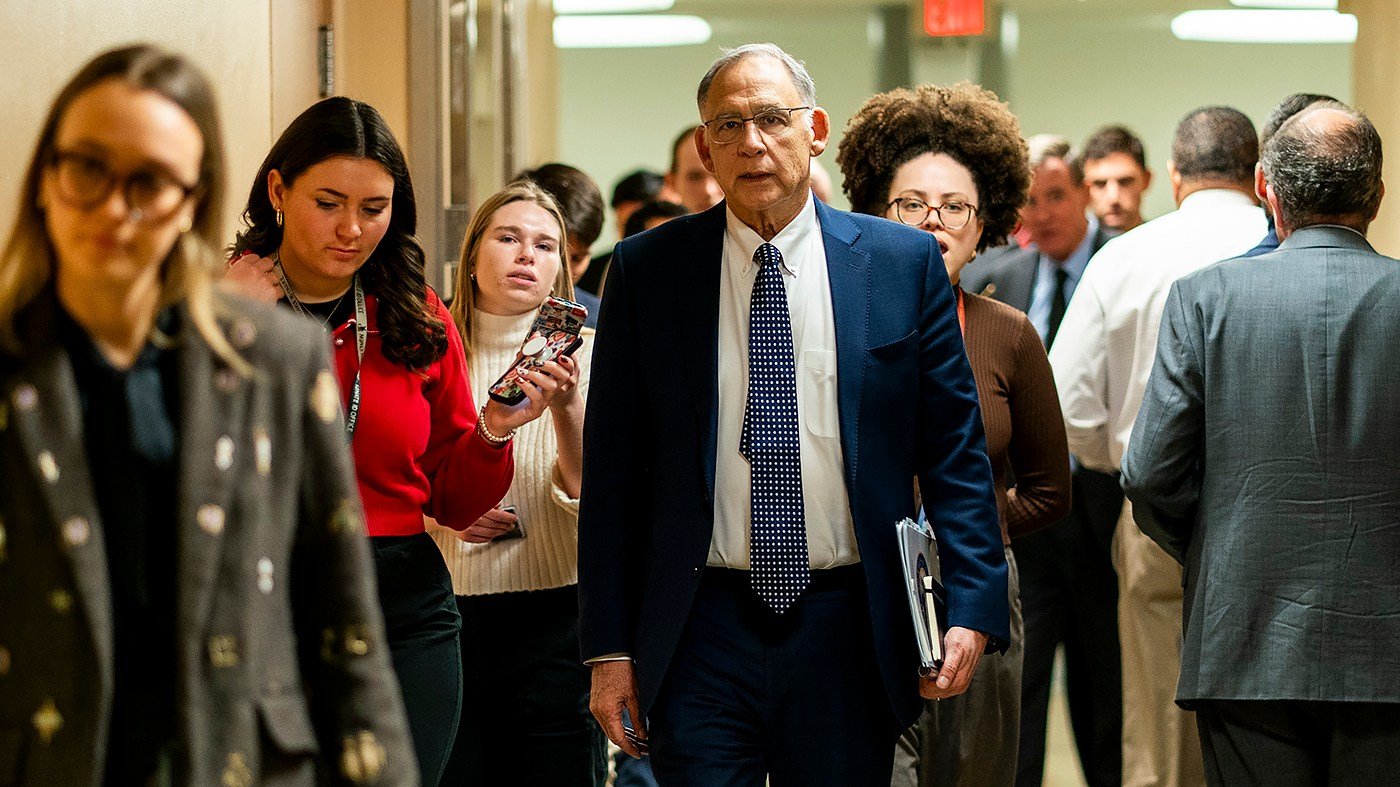
During a recent hearing, White House Office of Management and Budget Director Russell Vought declined to confirm estimates when pressed by Senator Jeff Merkley (D-Ore.) on whether $50 billion had been spent. "I wouldn't want to make a characterization of that at this point," Vought said, leading Merkley to accuse the administration of attempting to hide the war's price tag as the national debt exceeds $38 trillion. Senators broadly believe the conflict is costing roughly $10 billion weekly.
The administration has reportedly scaled back an initial $200 billion supplemental defense funding request to a range of $80-$100 billion, according to sources briefed on the discussions.
Global Economic Ripples
The conflict has exerted significant pressure on global energy markets, primarily through disruptions at the Strait of Hormuz. The vital waterway, which handles about 20% of the world's oil and gas, reopened Thursday for the second time since hostilities began on February 28. Its previous closures halted exports, causing gas prices to skyrocket.
Prices saw a modest retreat by Friday, with the national average for a gallon of gas falling to $4.08. Brent crude oil dipped to just under $92 per barrel, while the U.S. benchmark, West Texas Intermediate, dropped below $86.
Kamlager-Dove's forceful comments reflect growing Democratic anxiety over the war's domestic economic impact and its implications for broader political priorities. As a California representative, her focus on her state's extreme gas prices also touches on local political dynamics, where figures like Governor Gavin Newsom are navigating a shifting electoral landscape.