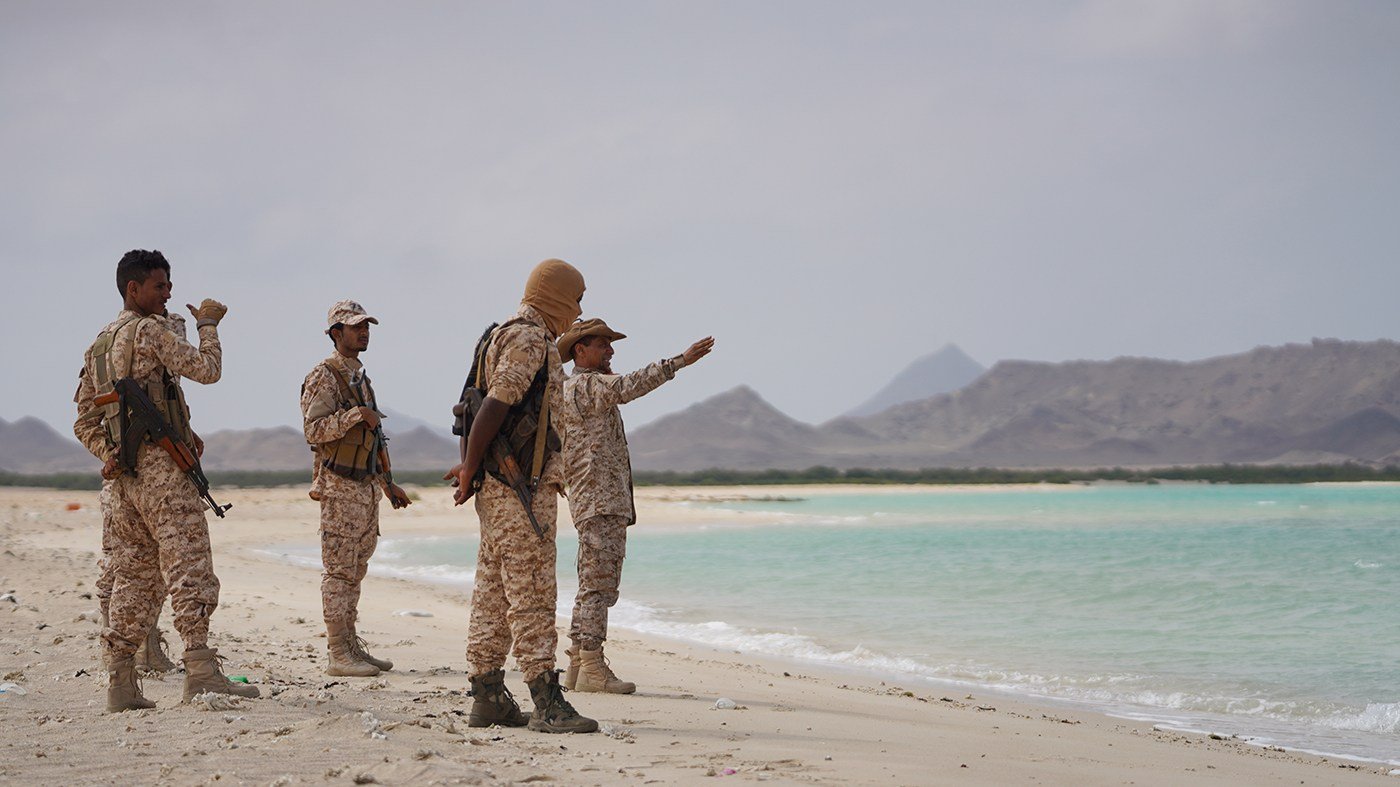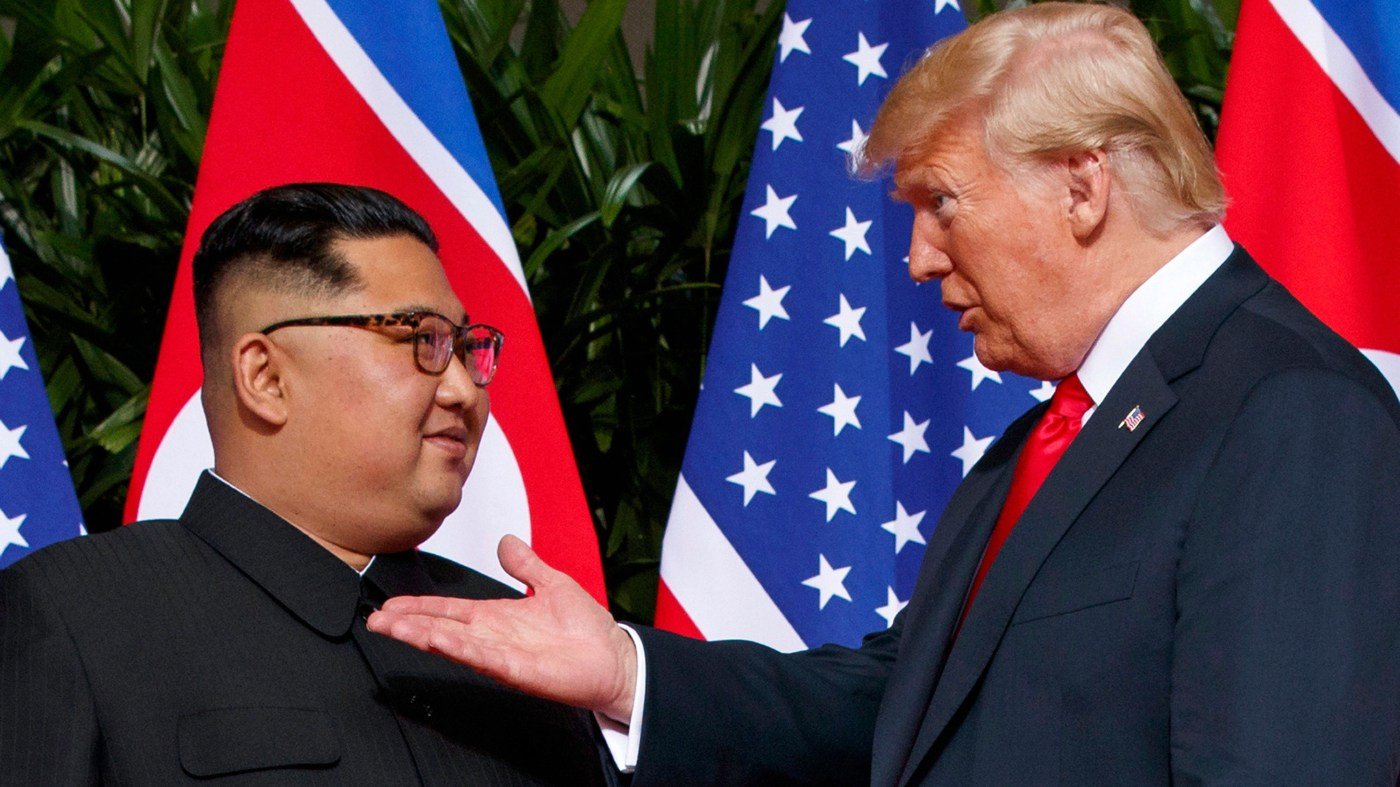
A stark disconnect emerged Friday between Washington's declared progress toward ending the conflict with Iran and the ambiguous, often contradictory signals from Tehran, leaving the seven-week war shrouded in uncertainty despite a significant tactical shift.
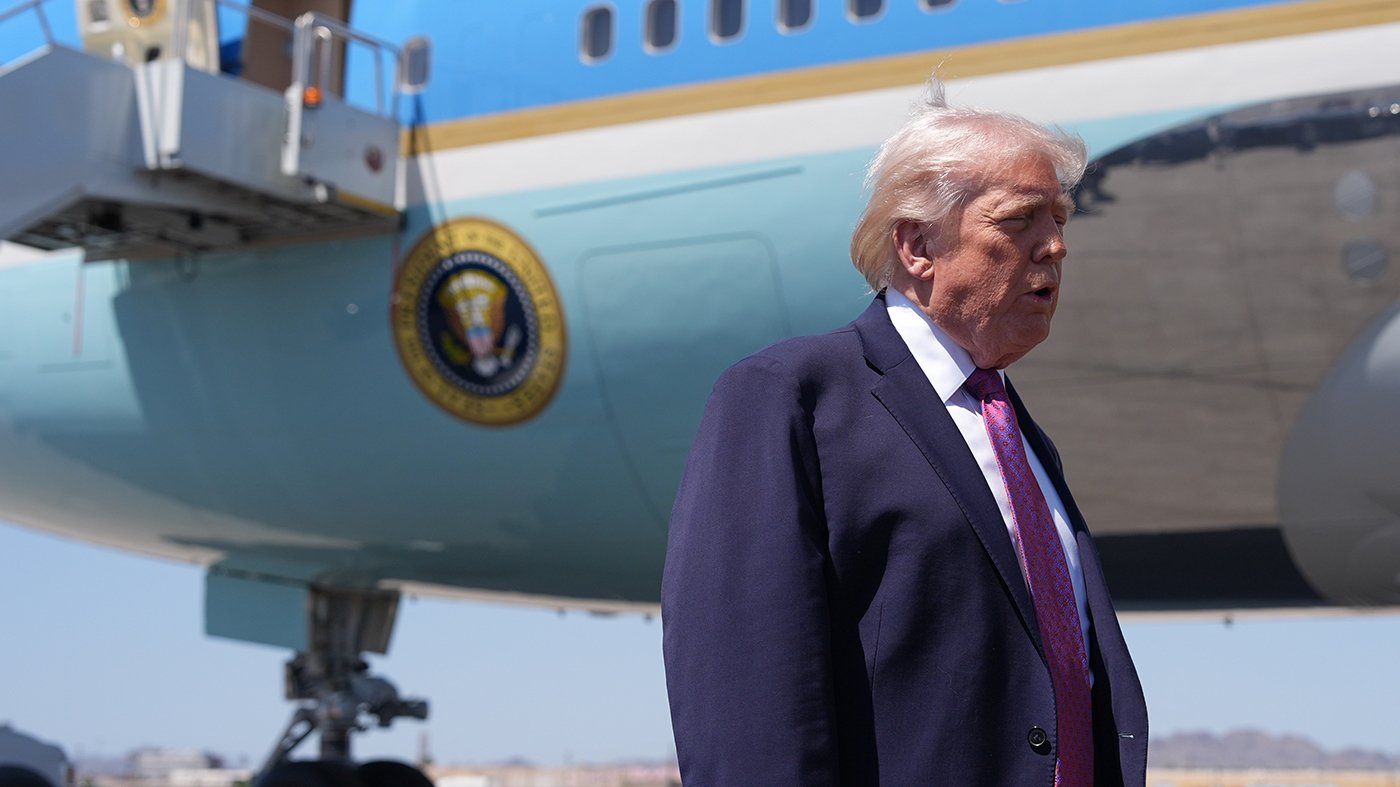
President Trump took to social media to announce the reopening of the vital Strait of Hormuz, a chokepoint for global oil shipments that Iran had controlled to drive up prices. He framed the move as part of a broader cessation of hostilities, thanking Iranian Foreign Minister Abbas Araghchi, who had first declared the strait open. Trump projected confidence that a final deal was close, stating most points were already negotiated and the process should conclude quickly.
Market Reaction and Unresolved Core Issues
The announcement triggered immediate financial repercussions. Wall Street surged, with the Dow Jones Industrial Average climbing over 800 points, while oil prices dropped roughly 9 percent. The development offered a tangible, if fragile, sign of de-escalation in a conflict that has cost American taxpayers an estimated $1 billion per day, claimed the lives of 13 U.S. service members and over 3,000 Iranians, and roiled global markets.
Yet the path to a durable peace remains obstructed by fundamental disagreements. Trump made a series of sweeping, unverified claims, asserting Iran would hand over all nuclear material from bombed sites—which he calls "nuclear dust"—and had agreed to cease uranium enrichment and never again close the Strait of Hormuz. However, a senior Iranian official told Reuters that "no agreement has been reached on the details of the nuclear issues," highlighting "significant differences" that must be bridged. This core dispute over Iran's nuclear program and its stockpile of roughly 970 pounds of highly enriched uranium remains the largest barrier to any final accord.
Domestic Pressures and Internal Iranian Friction
The impetus for a deal is clear for both sides. The Iranian government seeks relief from devastating U.S. and Israeli military pressure and a chance to rebuild its shattered economy and infrastructure. For Trump and the GOP, the goal is to lower gasoline prices for American consumers and extricate the nation from a broadly unpopular foreign entanglement with midterm elections approaching and political support showing signs of strain.
Confusion was compounded by visible friction within Iran's power structure. The Fars News Agency, which is closely linked to the hardline Islamic Revolutionary Guard Corps (IRGC), publicly criticized Foreign Minister Araghchi for his "unexpected" statement on the strait, complaining it had "plunged Iranian society into an atmosphere of confusion." This internal dissent underscores the political risks for Tehran in any negotiations with Washington.
Trump's own messaging reflected the delicacy of the moment. While enthusiastic, he notably restrained from his typical triumphalism. He confirmed the U.S. naval blockade on Iranian ports would remain until a transaction is "100% complete," a condition that maintains leverage but also underscores the provisional nature of the current understanding. The war, which provided cover for a subsequent Israeli incursion into Lebanon, has already drawn condemnation for its human and financial costs from critics at home and abroad.
As the situation stands, the conflict has reached an inflection point defined more by hopeful rhetoric than solidified agreement. The reopening of the Strait of Hormuz offers a crucial, reversible step toward stability. Yet without a verified meeting of minds on nuclear capabilities and long-term security guarantees, the optimism emanating from the White House risks being premature, leaving the strategic outcome of the costly war impossible to gauge.