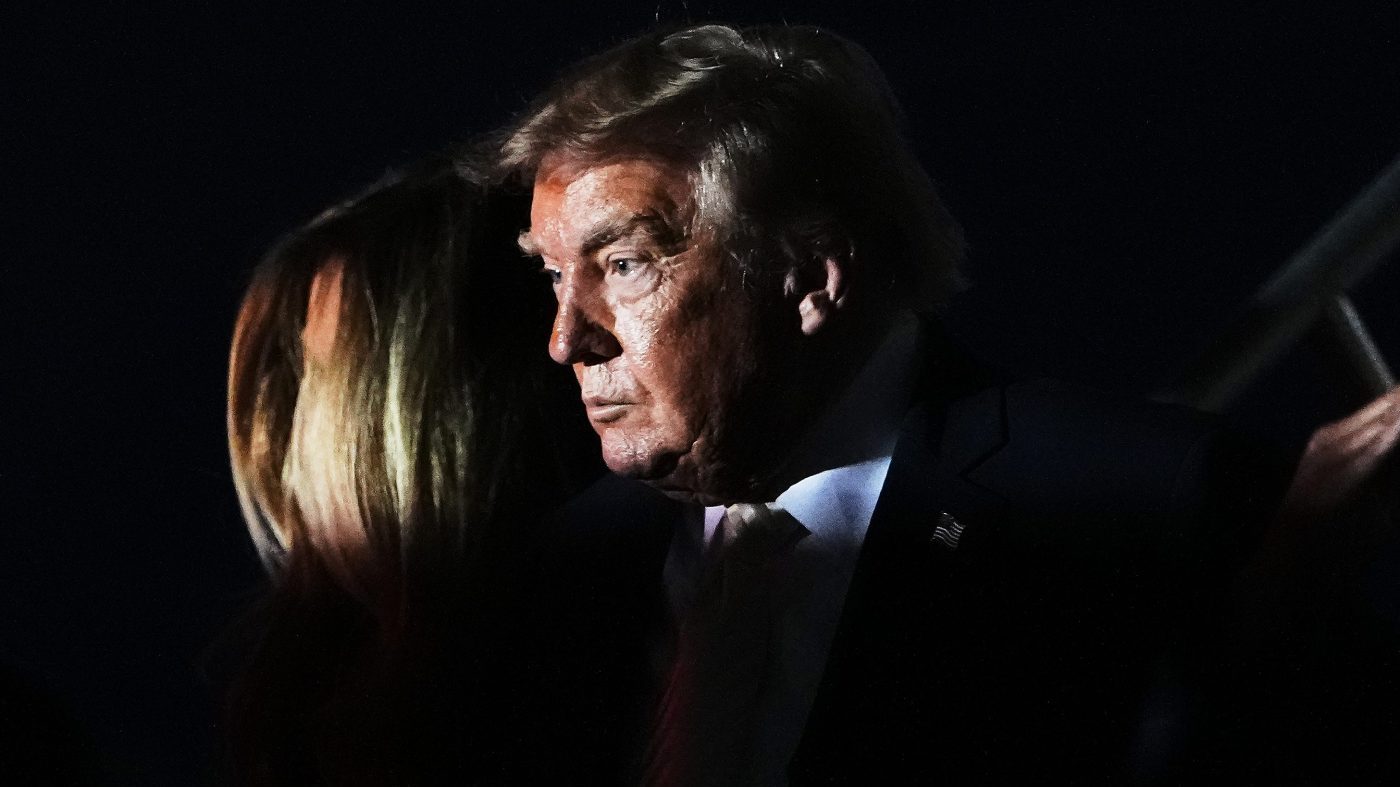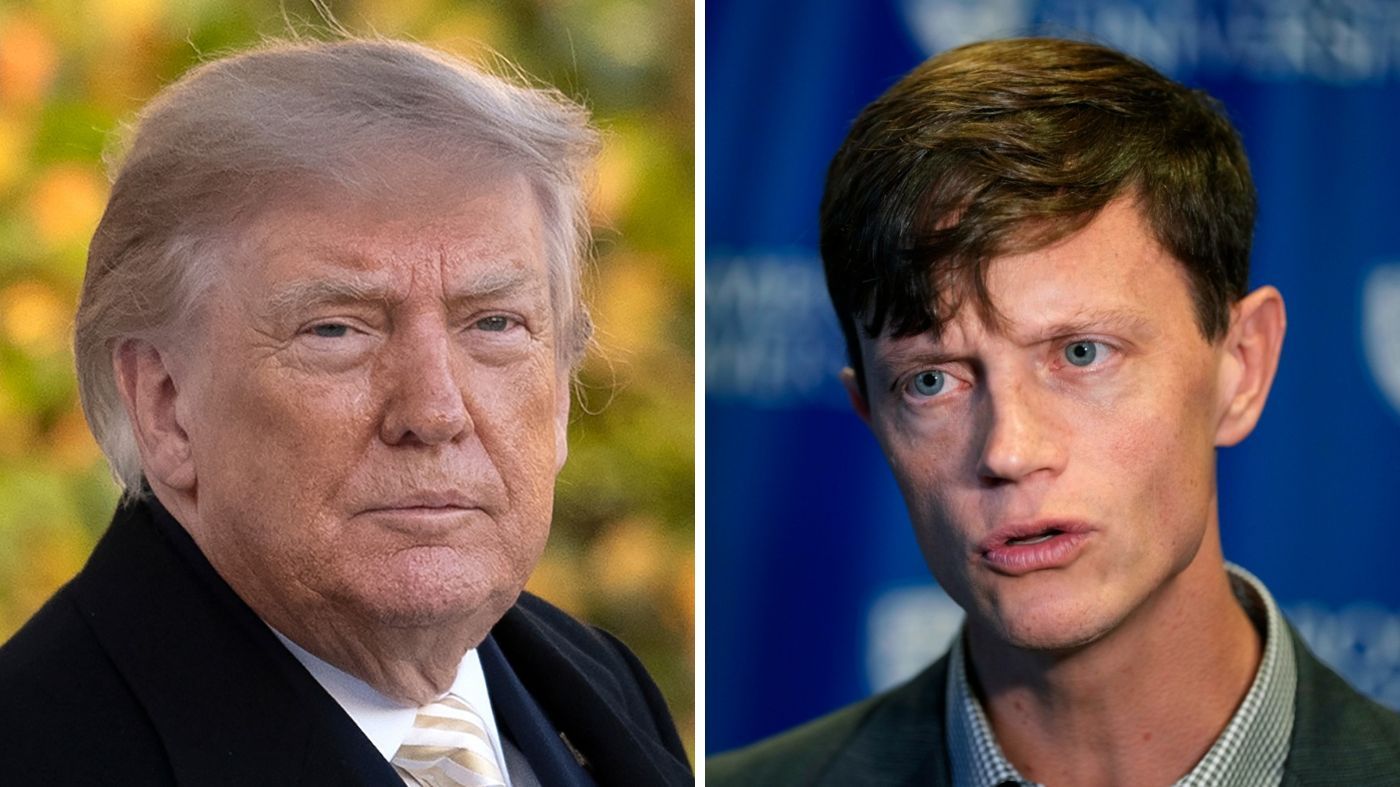
President Donald Trump took aim at Iowa Governor-elect Rob Sand (D) on Wednesday, accusing him of obstructing the U.S. Army's controlled detonation of a stockpile of degraded lead-based munitions in the state. The president's remarks came hours after the Army successfully carried out the blast, which was designed to prevent an accidental explosion that could have released toxic lead particles into the air.
In a post on Truth Social, Trump wrote that Sand, who is set to take office as Iowa's next governor, was "obviously unhappy" that the operation, which he attributed to a "mess" created under President Obama in 2009, was "so perfectly handled by the U.S. Army through a flawless detonation." The president added that Sand "hurt and delayed the process" and "was absolutely no help," characterizing him as "just another politician."
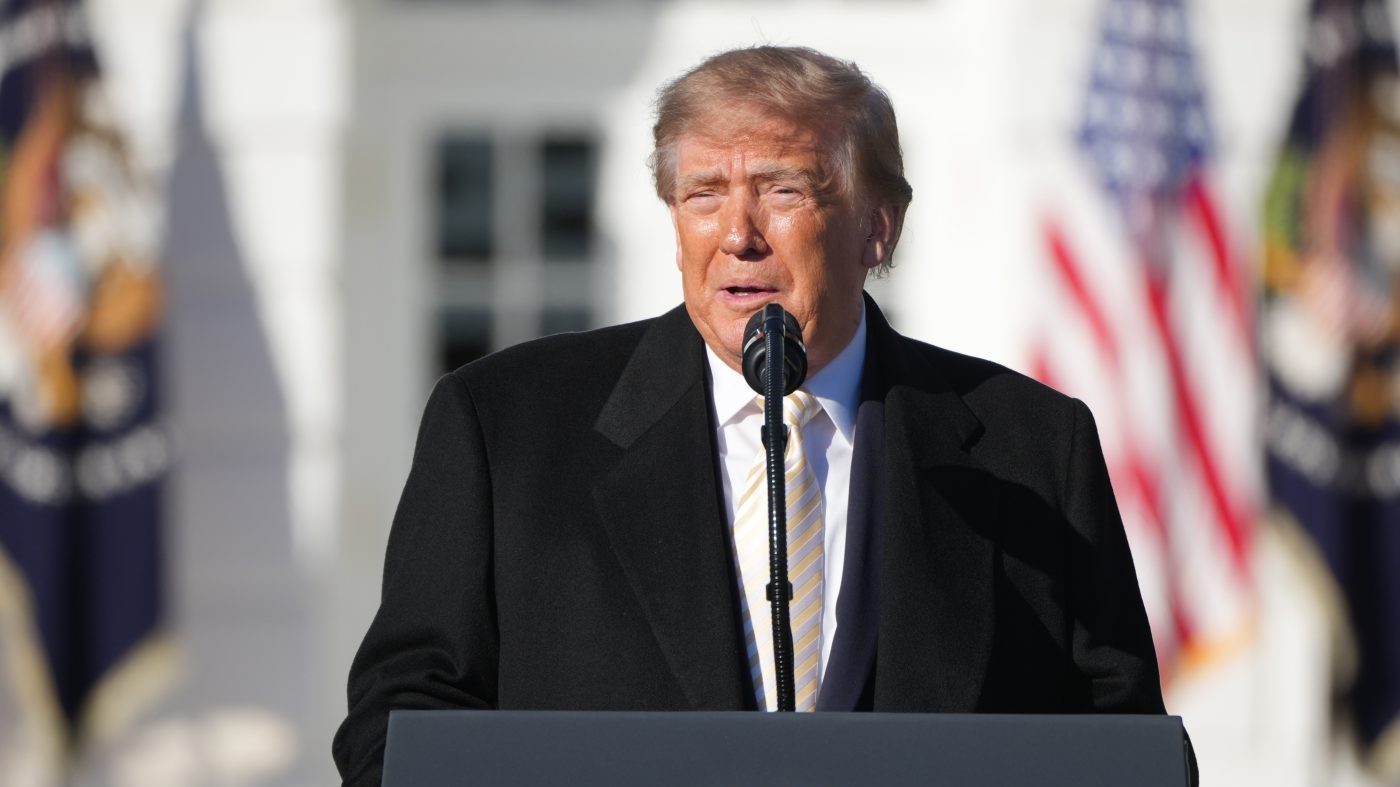
Trump further criticized Sand for raising concerns about transparency, saying, "He should rejoice at this great success, not nitpick and issue phony complaints on 'transparency.' I will remember!" The president's comments signal a potential rift between the incoming Democratic governor and the White House as Sand prepares to assume office.
However, in a notable contrast, Trump's newly appointed chief of staff, Stephen Miller, publicly thanked Sand for his cooperation in the lead-up to the detonation. In a post on X, Miller expressed gratitude to Sand, along with outgoing Iowa Governor Kim Reynolds (R) and other state and federal officials, for their collaborative efforts in ensuring the operation's success. The divergent messages from Trump and Miller highlight differing assessments of Sand's role.
The Army conducted the controlled blast on Wednesday morning to neutralize a cache of lead azide-containing weapons that had deteriorated to the point of posing an imminent explosion risk. The operation was deemed necessary to prevent a potential disaster that could have spread toxic particles across a wide area, endangering nearby communities.
Critics have questioned how the situation escalated to such a dangerous level, pointing to potential lapses in oversight and maintenance. Local residents living near the blast site, as well as public health experts, had voiced concerns before the detonation about the risks of lead exposure, particularly for children and livestock in the area. The Army has assured the public that the blast was contained and that no airborne lead was detected, but concerns about long-term health effects persist.
The episode has also drawn attention to broader issues of military munitions safety and environmental health. The Army chief has hailed the operation as a success, while the EPA has reported no airborne lead, but the incident has prompted calls for greater transparency and review of similar stockpiles across the country. The Army is expected to brief the press in the coming days to address ongoing safety concerns.
In the political arena, the clash between Trump and Sand underscores the tense relationship between the president and Democratic leaders in states where federal actions have local implications. Sand, who ran on a platform of government accountability and transparency, has not directly responded to Trump's attacks but has previously emphasized the need for open communication with federal agencies. The dispute also comes amid broader debates over states' rights and federal oversight, with recent legal battles over executive orders highlighting the friction between Washington and state governments.
As Sand prepares to take office, the fallout from the munitions blast may shape early relations between his administration and the federal government. Observers note that the president's threat to "remember" Sand's actions could complicate future cooperation on issues ranging from disaster response to infrastructure funding. For now, the focus remains on the safety of Iowa residents and the ongoing investigation into how the hazardous materials were allowed to deteriorate.