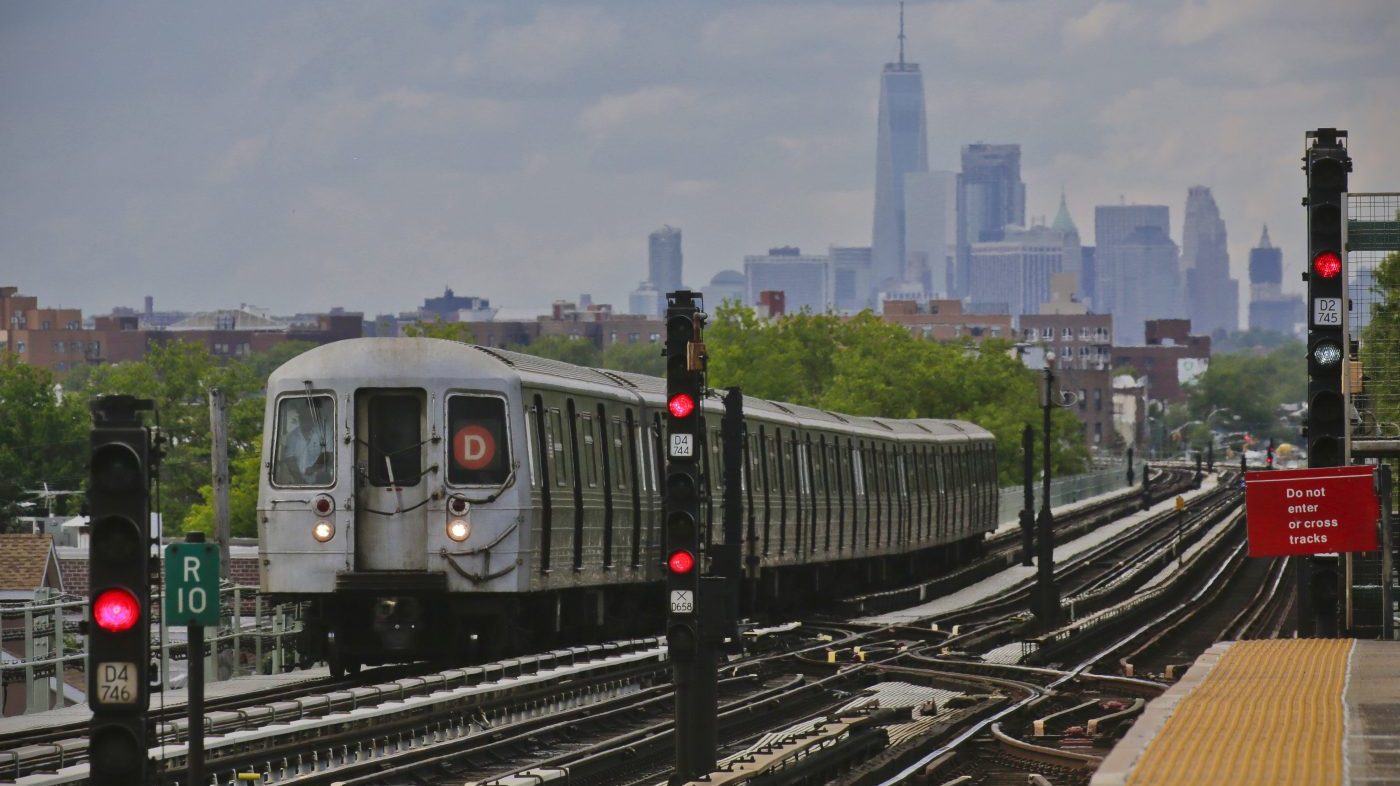
The Trump administration has reversed course and agreed to release billions in federal funding for New York City's Second Avenue Subway extension, ending a standoff triggered by the administration's crackdown on state diversity contracting requirements. The decision came after the Metropolitan Transportation Authority filed a lawsuit to restore the frozen funds, which are part of an approximately $18 billion package for New York infrastructure projects.
Administration Claims Policy Victory
A Department of Transportation spokesperson stated that President Trump and Transportation Secretary Sean Duffy agreed to the release after securing assurances that the funds "will not fund unconstitutional DEI initiatives, including illegal race- and sex-based contracts which historically cause project costs to balloon." The spokesperson framed the outcome as "securing the best deal for the American taxpayer and ensuring their dollars are spent efficiently and fairly." This move follows a broader pattern of the administration leveraging federal funding to challenge state policies, similar to its controversial fraud enforcement actions affecting other sectors.
New York Democrats Declare Legal Win
New York Governor Kathy Hochul, a Democrat, celebrated the resolution as a capitulation by the administration. "We took the Trump Administration to court after they illegally froze funding for the Second Avenue Subway," she wrote on social media. "Today, they backed down. The freeze is over. For East Harlem and every New Yorker who relies on our subways, release our money immediately." Senator Chuck Schumer was more pointed, declaring simply that the president "lost. Again," and asserting the project would proceed "whether Trump likes it or not."
The funding freeze, announced in October by Office of Management and Budget Director Russell Vought, targeted New York projects over concerns they were "flowing based on unconstitutional DEI principles." It affected both the Second Avenue Subway extension and the Gateway Program's Hudson Tunnel project. The administration's hardline stance reflects its broader ideological battles, which have also manifested in public feuds with federal institutions like the Federal Reserve.
MTA Compliance Resolves Impasse
According to reports, the impasse broke after the MTA informed federal officials it had complied with new policy directives. New York state law mandates that a portion of public construction contracts be awarded to minority- and women-owned businesses. The DOT had sent a letter to MTA Chair Janno Lieber citing "troubling information" about these contracts, suggesting funds were being diverted. The MTA's subsequent assurance of adherence to federal rules prompted the funding release.
This episode highlights the administration's use of financial pressure to force policy changes at the state level, a tactic increasingly common in its final months. The confrontation over transit funding occurs alongside other contentious policy pushes, such as the accelerated auction of Arctic Refuge drilling rights.
Project Background and Timeline
The Second Avenue Subway extension, first proposed a century ago, will stretch the Q line into East Harlem, adding three new stations. The project is now scheduled to open in 2032. Its funding restoration removes a major obstacle for one of the nation's most significant public transit expansions, though political tensions between New York and the administration remain high. The resolution avoids a prolonged legal battle that could have delayed the project for years.
The swift reversal following litigation suggests the administration's position may have been legally vulnerable. It also underscores the high-stakes interplay between federal power and state autonomy, a dynamic playing out across multiple policy fronts. As the administration continues its focus on political messaging to key voter blocs, tangible policy outcomes like this funding release will factor into its closing arguments to the electorate.