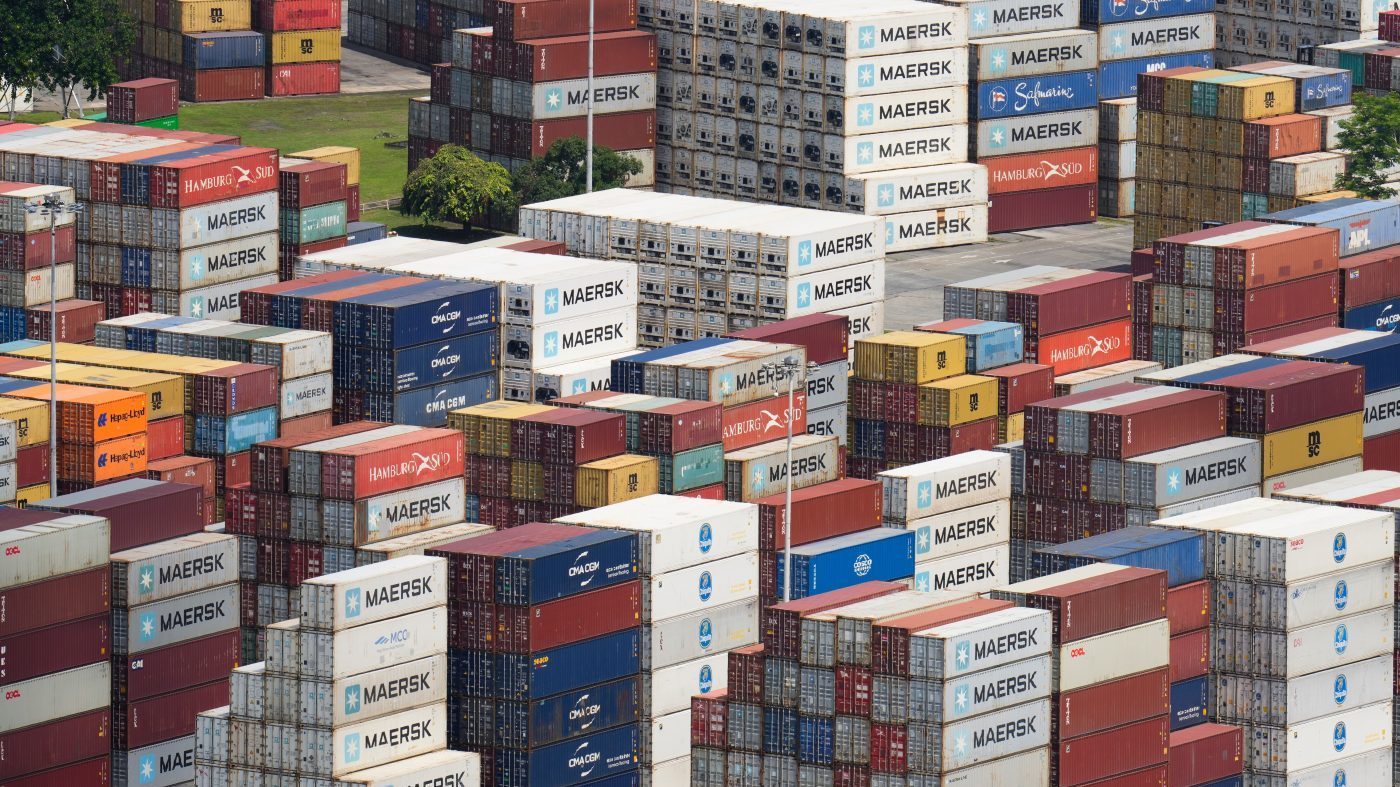
The Trump administration on Wednesday moved to escalate its trade war, proposing new tariffs on more than a dozen countries, including China and the European Union. The Office of the U.S. Trade Representative announced a 20% tariff on Chinese imports, along with new import taxes on goods from the EU's 27 member states, Cambodia, India, South Korea, Taiwan, and Vietnam.
The levies are being imposed under Section 301 of the Trade Act of 1974, a legal tool that grants U.S. Trade Representative Jamieson Greer broad authority to slap tariffs on countries he determines to have discriminatory trading practices. The move marks a significant expansion of the administration's tariff agenda, which has already drawn sharp criticism from trading partners and domestic businesses.
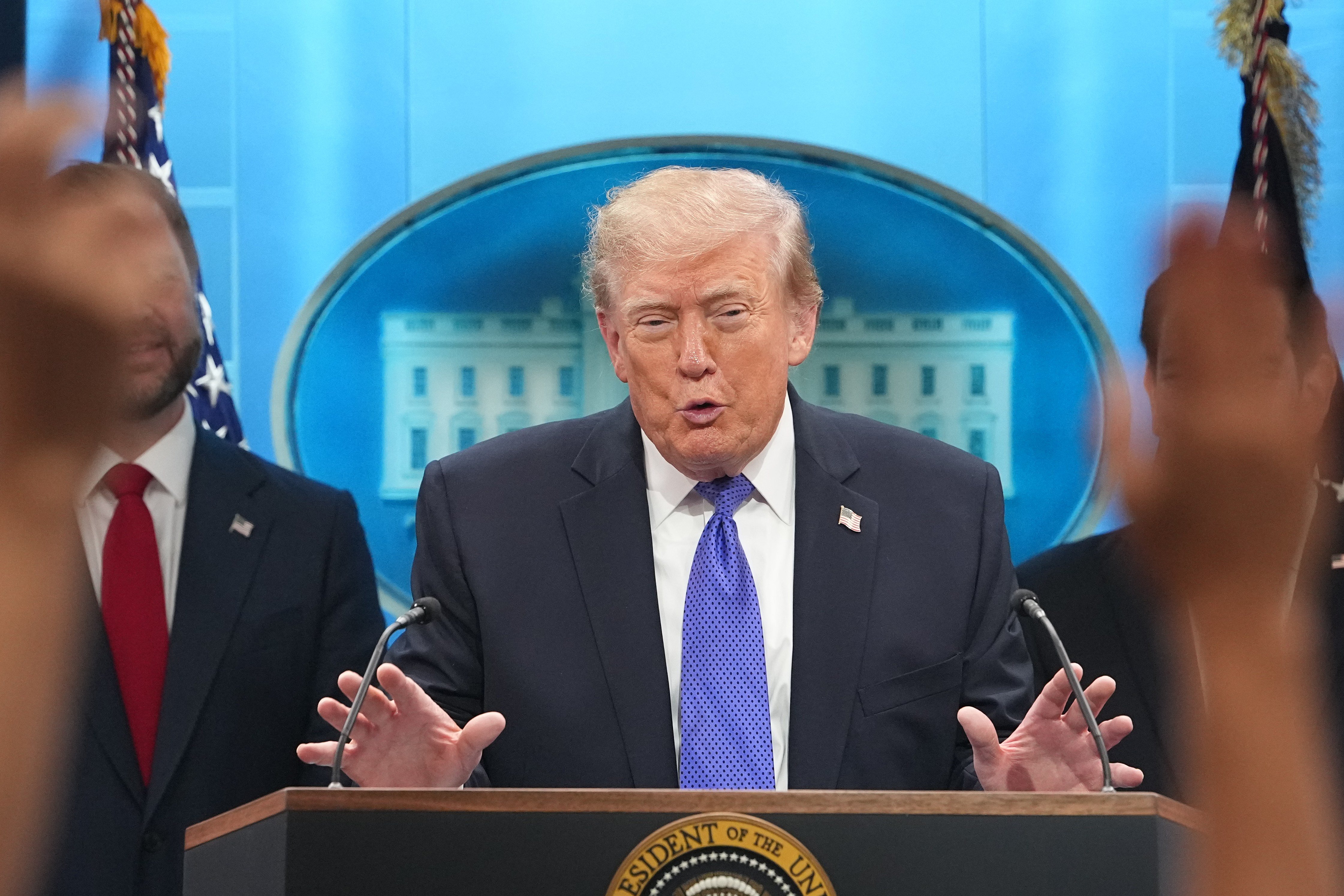
According to administration officials, the new tariffs are aimed at addressing long-standing trade imbalances and what they describe as unfair practices, including intellectual property theft and forced technology transfers. The 20% rate on Chinese goods is notably higher than the tariffs imposed during the first phase of the trade conflict, signaling a harder line from the White House.
“This is about fairness and reciprocity,” a senior administration official said, speaking on condition of anonymity. “For too long, American workers and manufacturers have been at a disadvantage. These tariffs will level the playing field.”
The EU quickly condemned the move, with Brussels vowing to respond with countermeasures. European Commission President Ursula von der Leyen said in a statement that the EU “will not hesitate to defend its interests” and is preparing a “proportionate and firm” response. Analysts expect the bloc to target U.S. exports like agricultural goods and machinery.
China also signaled retaliation, with the Ministry of Commerce warning that “necessary measures” would be taken to safeguard national interests. The announcement sent shockwaves through global markets, with Asian and European stocks dipping in early trading.
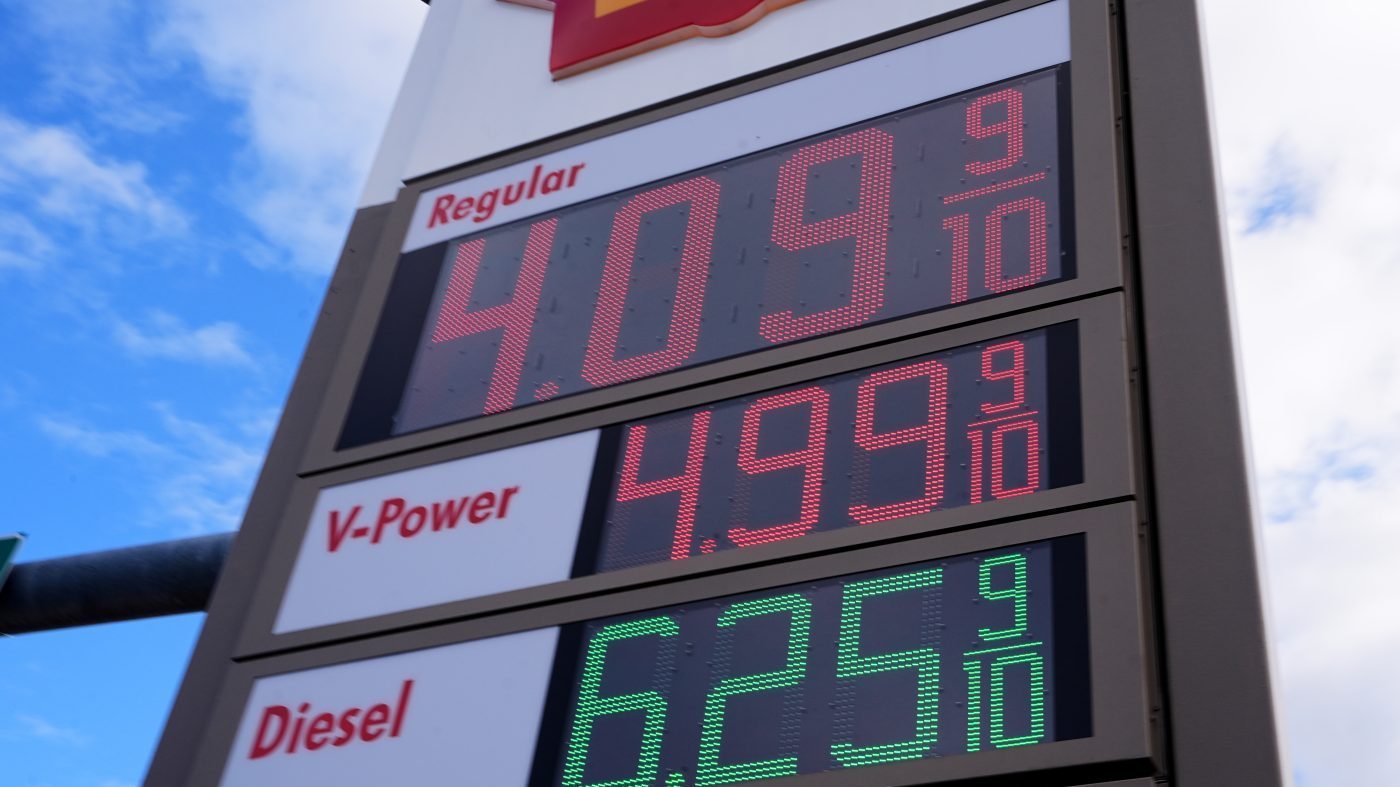
The tariffs come as the administration faces mounting pressure on multiple fronts, including a strained air traffic system and ongoing disputes over trade policy. Some lawmakers have raised concerns about the economic impact, particularly on consumer prices and supply chains.
“Tariffs are a tax on American consumers,” said Senator Maria Cantwell (D-WA). “This reckless approach will only raise costs for families and hurt our competitiveness.”
However, supporters of the tariffs argue they are necessary to protect domestic industries and national security. The administration has pointed to export controls on advanced chips as a model for using trade tools to counter Chinese influence.
The new tariffs are expected to take effect within 60 days, pending a public comment period. Trade experts say the move could trigger a broader trade war, with potential ramifications for global supply chains and economic growth.
This is a developing story. More updates will follow as the situation evolves.